
In this week’s Our Take: bookworms get packing, a glowing label saves lives, Tecate marks its territory, and women’s football rewrites the playbook – kits, codes, and all.
HOLIDAYS WITH A (PLOT) TWIST
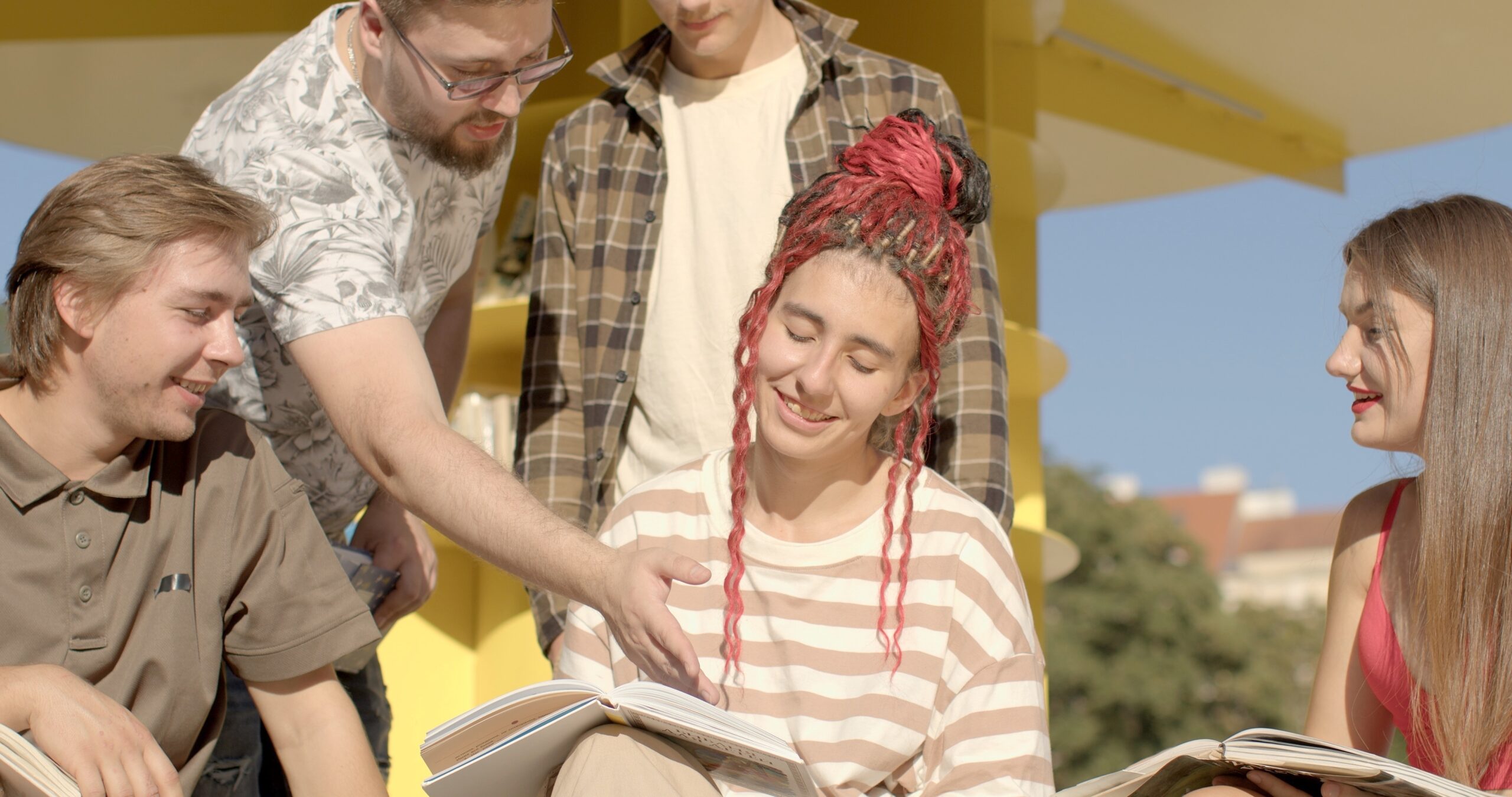
Books have always been somewhere to escape to, and ‘airport novels’ are still seen on beaches across Europe. But for a new generation of culturally curious travellers, books aren’t there to escape into, or travel with. They’re what they travel for.
Bookish travel is emerging as a significant trend, with Millennials and Gen Z embarking on a new type of escape where the surroundings might be exotic, but the sights to see are in sentences. Think Book Club on tour, where everyone reads together, and sometimes even out loud.
What began as a personal habit is now a cultural connector. Bookish, community-minded travellers are enjoying the kind of slower, more intentional escape that only reading can deliver.
– So what did you think of the Parthenon?
– I read it’s great.
Glow Up Saves Lives
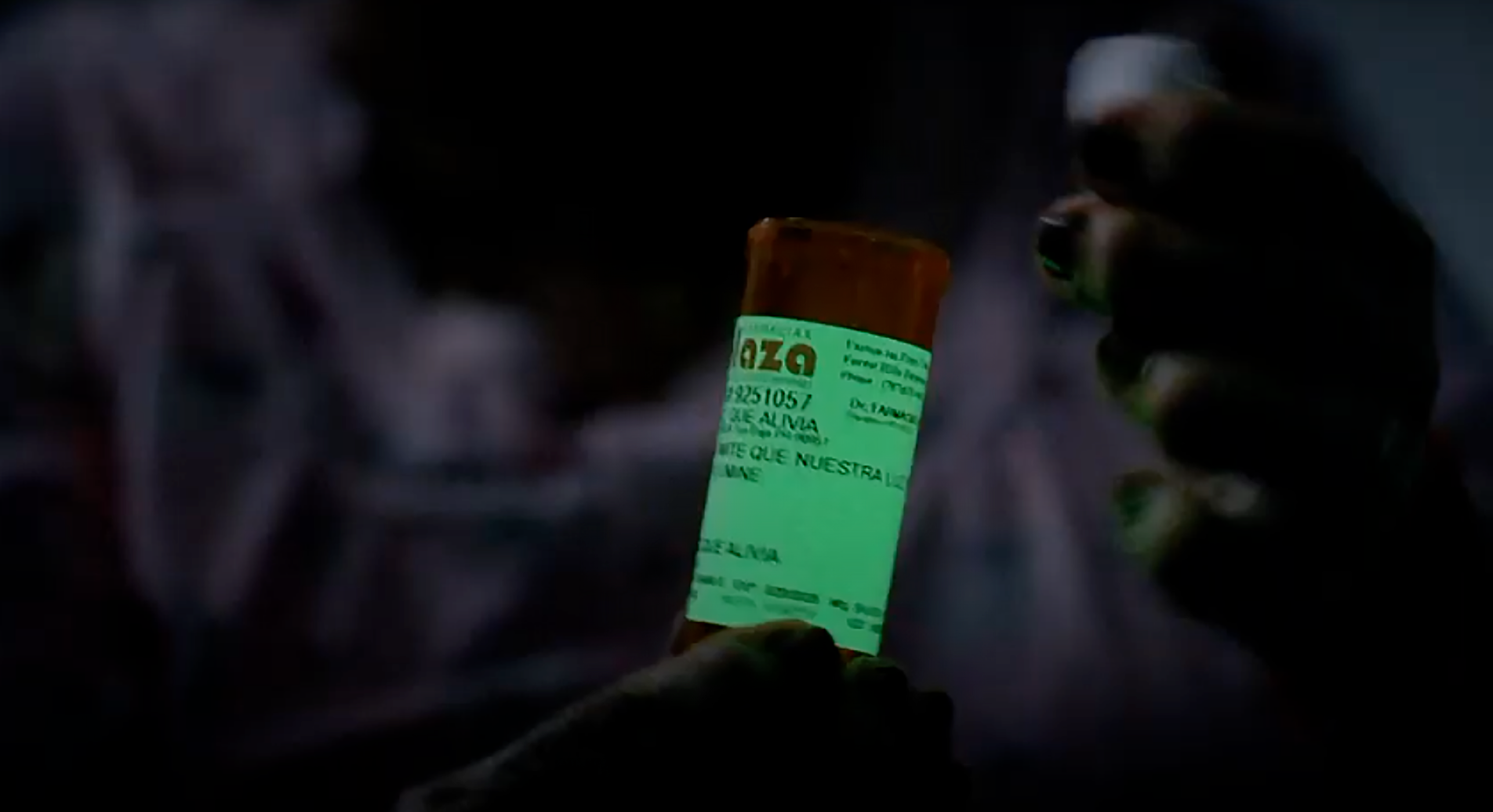
In Puerto Rico, a quarter of the population is over 65, which means they use a lot of meds. Unfortunately, Puerto Rico also suffers frequent power failures, leaving many elderly people fumbling for pills in the dark. That’s not just an inconvenience – it’s a health risk. The solution: medicine labels that glow in the dark.
Glowing Relief is the brainchild of Alivia Health in partnership with two sister Ogilvy agencies. Its genius isn’t just in the idea – a classic example of design thinking in itself – it’s how the campaign came to life. The glowing labels were seamlessly integrated into existing printing systems, with no extra effort needed from pharmacists. A PR push targeted caregivers, doctors, and pharmacists, turning them into the campaign’s most trusted storytellers. The tone was clear and compassionate, positioning the label not as a novelty, but as a lifeline.
It’s clear to see: this campaign’s a winner. ¡Bravo!
FOr some brands, positioning is everything
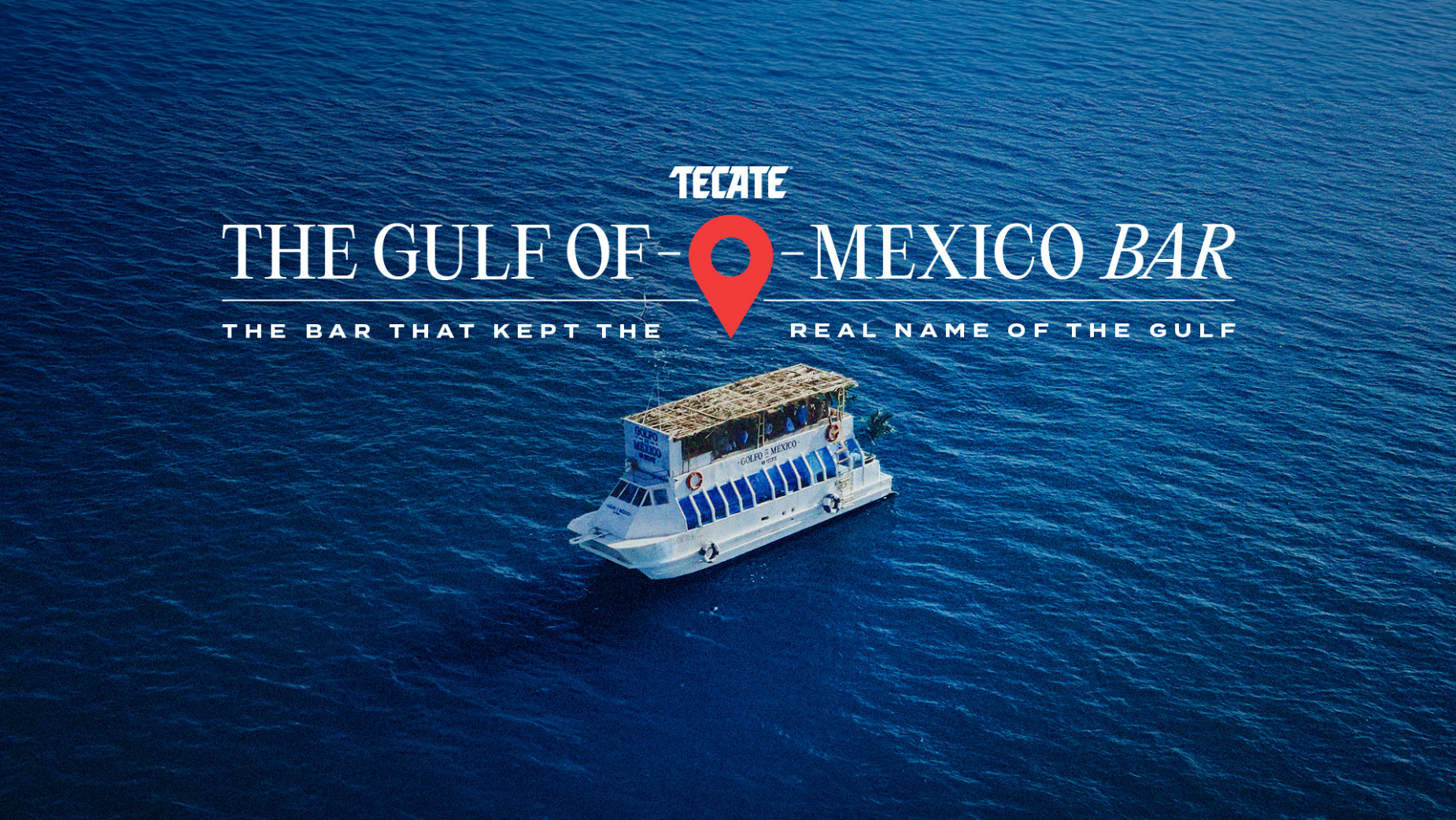
Tecate isn’t just a beer. It’s the Mexican beer. And Tecate Light con Sal del Golfo de México isn’t just a new brew. It’s a briny, brilliant bit of branding and a very public clapback. Earlier this year, Trump tried to rebrand the Gulf of Mexico as the Gulf of America on U.S. maps. Google even followed suit for American users.
But Tecate wasn’t having it.
In a clever bit of guerrilla geo-branding, they launched a floating bar in the middle of the gulf, named it ‘Gulf of Mexico Bar’ (‘Bar Golfo de México’), and pinned it on Google Maps. No matter what the algorithm (or Trump) says, their spot in the Gulf always shows up under its rightful name. And when the pin got removed, they kept putting it back. Petty? Maybe. Iconic? Definitely. Tecate con sal – brewed with salt and seasoned with resistance.
New Kits, NEw COdes

The growth of women’s football is bringing new fans, new vision and a starkly different culture to the game, both at grassroots and elite levels.
For one thing, the design codes are shifting. Last year’s rebrand of Como FC took its style cues from luxury fashion – minimalist, elegant and cool. It looks fab, and it shows an awareness of both its audience and its player base.
There’s also less hero-worship and more ground-up celebration. Editorial shoots in Vogue and Wonderland have treated players as people first, cultural figures second, and sports stars third. And with creative studios like Amicizia being player-founded and player-led, the visual culture of the game is being shaped from the inside out.
There are other, perhaps more meaningful, differences. Where men’s sports have often struggled with true inclusivity (there just aren’t many elite players willing to come out), in the women’s game, queer identity is simply part of the landscape. And mental health, too, feels different. Players speak more freely about burnout, pressure and recovery. Sport has always claimed to be good for your mental health, but in the women’s game, it’s front and centre.
For creatives, marketers and brand strategists, the message is simple: this isn’t a version of the men’s game in a new (stylish) kit. Women’s football is bringing a different energy – and a more inclusive culture – to sport.
Pay attention.