
In this week’s Our Take, food becomes the newest storytelling tool, livestream auctions turn resale into a sprint, Switzerland sells serenity through sound, and Q-Tips goes big.
Swiss SWOO

While most tourism marketing is still shouting about views, value and “must-see” lists, Switzerland Tourism has quietly slipped into your headphones and stayed there. No slogan. No CTA. No breathless voiceover telling you to book now. Just sound.
The campaign opens with nearly three minutes of real Swiss audio, recorded across the country and composed into a track by French electronic artist Thylacine. Trains slide. Cable cars hum. Ice cracks. Stations exhale. Over 200 sounds layered into something that feels less like a soundtrack and more like a pulse. You don’t watch it so much as you fall into it.
What’s striking is the restraint. In an era where brands panic if they don’t hook you in three seconds, Switzerland Tourism is betting on patience. And it pays off. The slow build rewards attention instead of demanding it, turning watch time into something closer to immersion. You’re not being persuaded, you’re being tuned in.
This is content-led marketing at its most confident. The destination isn’t explained or over-sold; it’s felt. Sound becomes the storytelling device, doing what copy usually does but with far more emotional precision. It taps into a wider shift we’re seeing across brand worlds: less information, more sensation. Less interruption, more atmosphere.
There’s also something very current about letting sound lead. As screens get louder and feeds get messier, audio has become a shortcut to calm, focus and presence. Switzerland doesn’t try to outshout the noise. It sidesteps it completely.
The takeaway for brands is simple but uncomfortable: sometimes the smartest move isn’t to say more, it’s to trust the experience. Switzerland Tourism hasn’t sold us a place. They’ve let us listen to it.
BIDDING ON BALENCIAGA
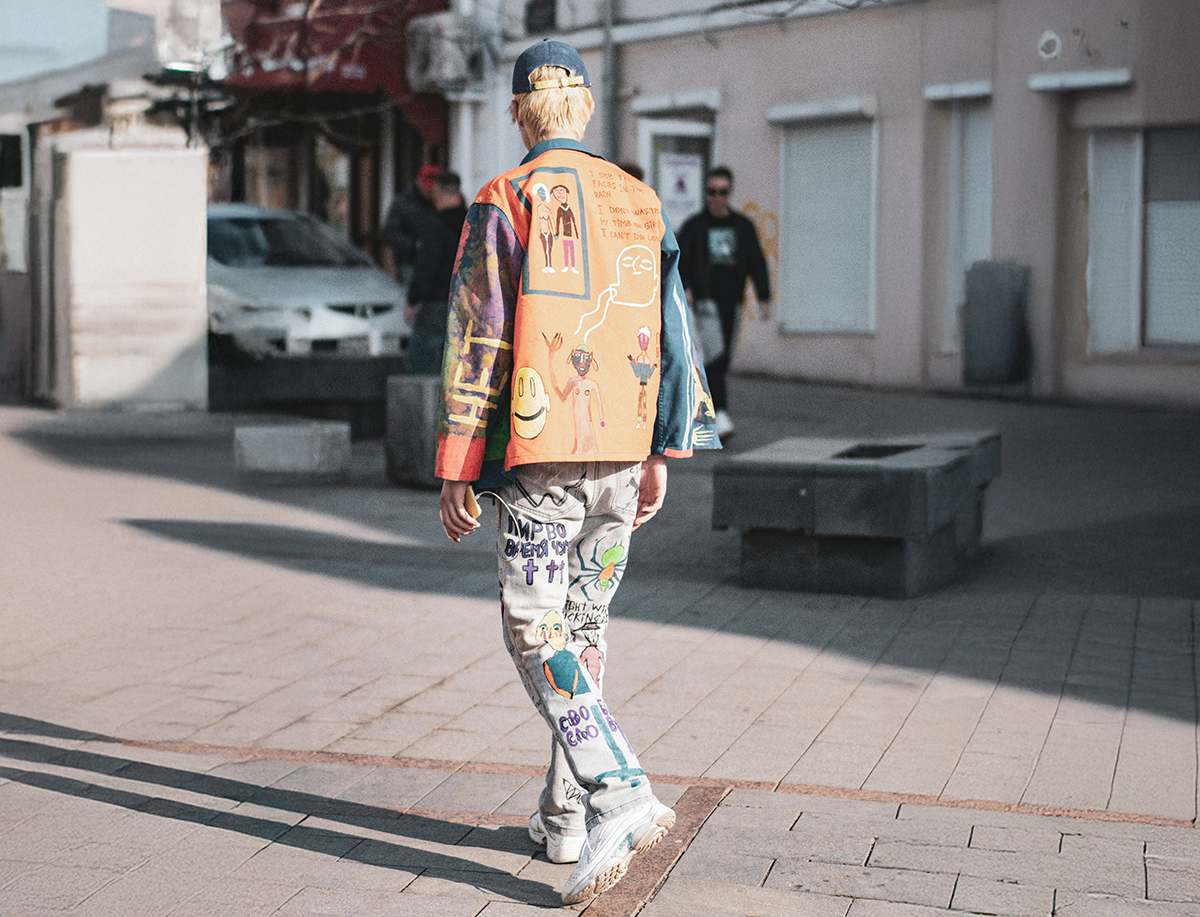
Second-hand fashion used to be a slow burn. Scroll. Save. Haggle. Get ghosted. Repeat. Vinted and Depop made resale mainstream, but they also turned bargain-hunting into a test of patience and WiFi strength. Enter livestream fashion auctions, where there is absolutely no time to overthink and that’s kind of the point.
This is resale on adrenaline. Sellers go live, hold up vintage, luxury, or beautifully niche pieces, and viewers bid in real time while the clock ticks down. Fifteen seconds. Thirty if you’re lucky. Blink and it’s gone. Platforms like Whatnot and Tilt are leading the charge, blending TikTok’s chaotic energy with auction-house mechanics. It’s QVC for people who know their Margiela and don’t want a ring light lie.
Every drop feels like a mini event. There’s a chat popping off, bids flying in, someone yelling “LAST CALL” in the comments. It’s messy and oddly intimate. Reminiscent of Sotheby’s, but for archive denim and deadstock tees, hosted from someone’s bedroom with a ring light slightly off-centre.
After years of overly styled listings and suspicious angles, livestreams offer receipts in motion. You see the fabric stretch, the scuff on the sole, the real colour under bad lighting. It feels more honest, even when it’s complete chaos.
Shorter attention spans, rising resale literacy, and a growing appetite for experiences over transactions have all collided here. Livestream auctions turn shopping into sport, community, and spectacle all at once. Sensible purchases? Rare. Memorable ones? Constant.
Food Fix for 26

2026 is about eating with purpose, punch, and a little personality.
Brands are no longer just showing you a product, they’re inviting you to taste, feel, and experience their story. Last year, edible collaborations were everywhere: a Lacoste croissant, a Rhode snack that smelled like summer, Jacquemus macarons that were almost too pretty to eat. The lesson was clear: food creates memory, triggers emotion, and lands a brand in the most literal sense—on your taste buds.
For 2026, the trends are smarter, sharper, and less obvious.
Protein isn’t enough. Consumers want functional food that actually does something, complete protein, fibre-heavy prebiotics, gut-friendly indulgence, even GLP-1-conscious formulations. Hydration is getting an upgrade too: adaptogen teas, collagen coffees, mood-boosting sparkling waters. Brands that can make “healthy” tangible, measurable, and snackable are the ones that will stick.
Plant-based is growing up. Forget meat imitations, think legumes, mushrooms, seeds, and seaweed with purpose, protein, and fibre front and center. Upcycled, regenerative, climate-smart ingredients are no longer optional; they’re part of the story. If you can make your snack taste good and show it cares for the planet, you’re winning.
Eating experiences are evolving too. People want layers of delight, flavour, texture, nostalgia, and cross-cultural twists all in one bite. “Swicy” flavour combos-sweet, spicy, playful- aren’t a gimmick; they’re conversation starters. Dining is a show now, whether it’s an immersive pop-up, a solo self-care ritual, or a socially casual midweek snack session. Food isn’t just fuel; it’s a mood, a ritual, and increasingly, a performance.
In 2026, food is brand storytelling made edible. If it’s functional, sensorial, sustainable, or just plain fun, it’s a conversation starter. If it isn’t, it’s just another croissant on the scroll.
Q-Tip goes Big
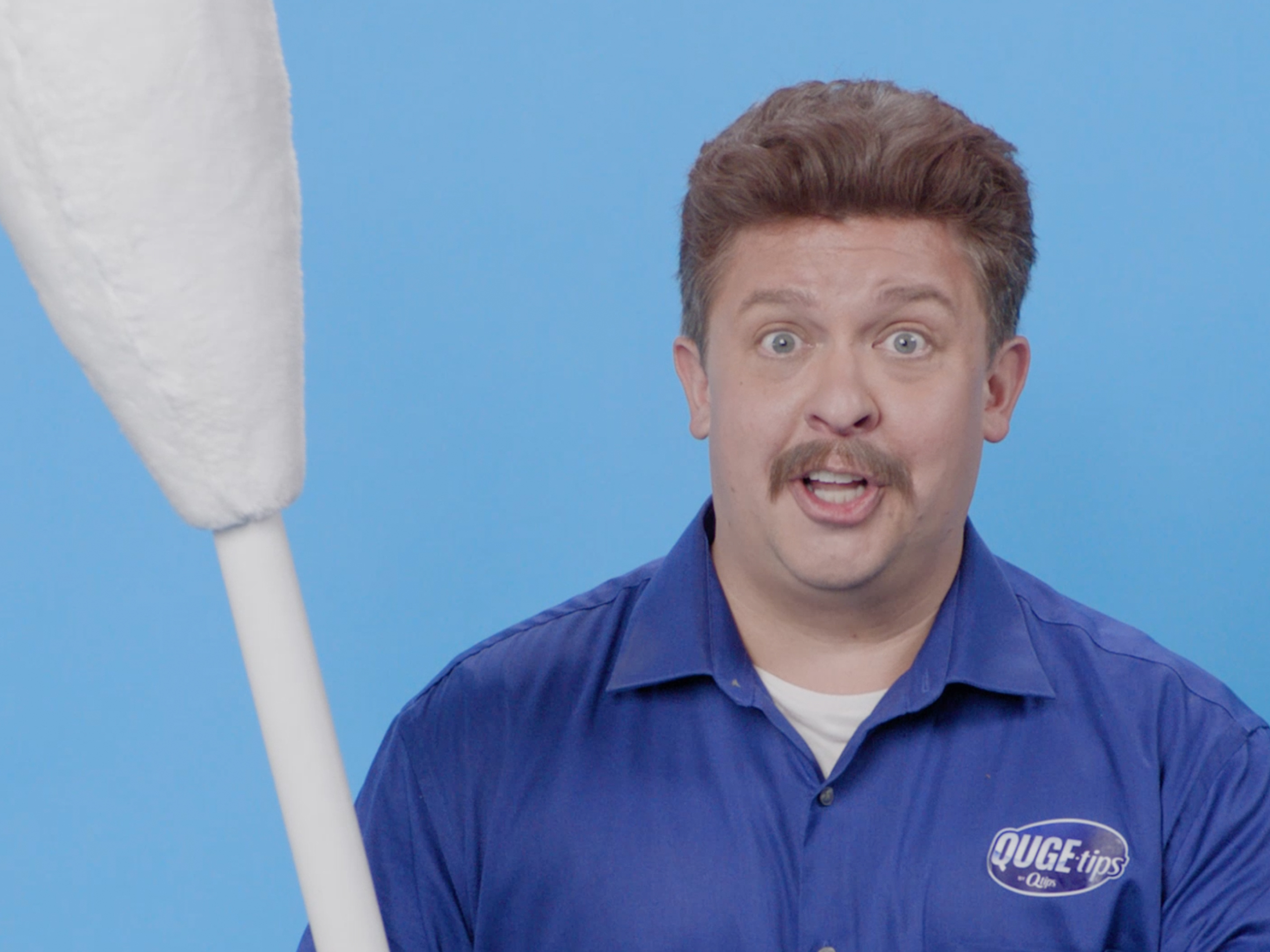
Q-tips® is moving past its identity as a bland bathroom essential to embrace the absurd through a new digital strategy. The “Q-uge Tips” campaign features nearly six foot cotton swabs and a fictional spokesperson using them for ridiculous tasks like cleaning a trombone, and wiping down a gym bench. By actually selling these novelty items for thirty-five dollars and partnering with brands like Doritos, the company is successfully turning a basic household tool into a viral talking point for younger audiences.
While obviously ridiculous, is leaning into bold humor in an attempt to engage new audiences and become culturally relevant. The concept is also rooted in customer feedback requesting larger swabs for home repairs and cleaning. This ironic approach allows the century-old brand to move beyond its clinical reputation and find a new home in the world of social media memes and talkable moments.
For legacy brands selling generic commodities, humor is often more effective than explaining benefits everyone already understands. When a brand name is a household staple, the goal shifts from building awareness to staying culturally relevant. By embracing an unhinged persona, Q-tips proves that even the most basic brands can capture attention by refusing to take themselves too seriously.