
In this week’s Our Take: IRL attention makes a comeback, everything becomes a rave, wanderlust gets a science lesson and grammar vigilantes take to the streets.
Log Off, Turn Up, Tune In
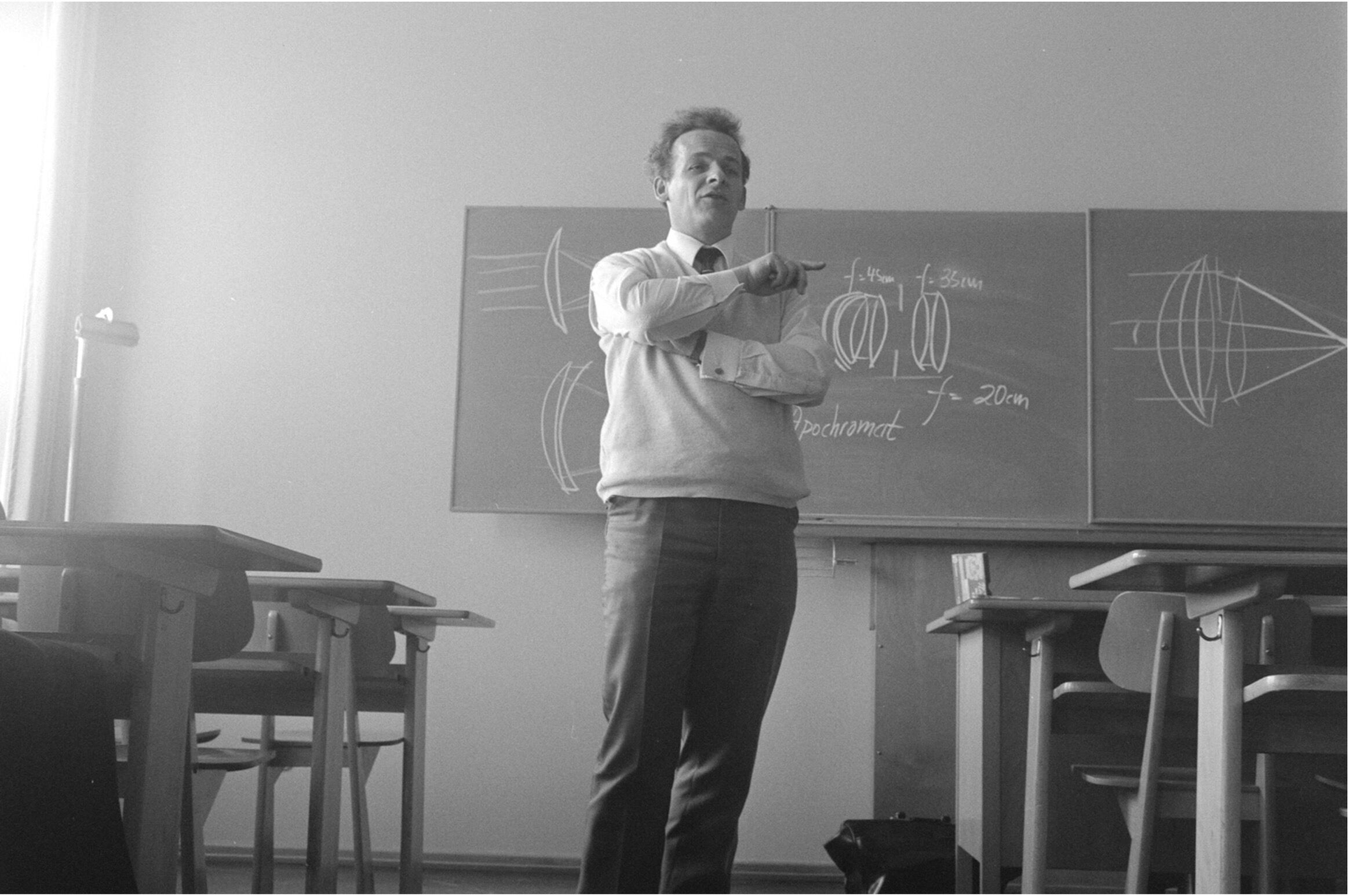
Sitting through a 10-minute lecture is starting to feel… slightly rebellious.
In a world of half-watched TikToks at 2x speed, Lost Property – a new East London lecture series by Letty Cole – is making a quiet case for doing the opposite. No slides. No selling. No gentle nudge to follow someone afterwards. Just short, eclectic talks, delivered offline, to people who’ve chosen to actually be there.
The topics are deliberately niche – from club culture theory to frog habitats – the kind of curiosity that usually lives in half-read articles or open tabs you swear you’ll come back to. Here, it gets airtime. And, more importantly, attention.
There’s also a strict no self-promo rule. No plugs, no QR codes, no personal brands hovering in the background. Just ideas, shared for their own sake. Which, in 2026, feels quietly radical.
What makes it land is the timing. As digital spaces become more optimised, more performative, and more predictable, there’s a growing appetite for something a little looser. Less curated. Less content. More room for things to wander.
Lost Property sits somewhere between a lecture, a club night and a group chat that’s accidentally gone quite deep. You don’t know exactly what you’ll get, and that’s the appeal.
For brands, the takeaway is simple. Not everything needs scale, polish or a distribution plan.
Sometimes the hardest thing to earn is undivided attention.
And sometimes, the best way to get it… is to turn everything else off.
Is Everything a Rave Now?
Rave used to mean something specific. Dark room. Loud music. Mild hearing loss. Now? It’s… everything.
Sober raves. Baby raves. Coffee raves. Gym raves (where the only drug people are on is steroids). Craft raves. Wellness raves. Even productivity raves where everyone’s got a laptop and is listening to German warehouse techno with zero natural light (we call that an office day at Sweartaker).
At this point, if more than three people gather with a vague sense of intention, someone’s calling it a rave. Your local book club is one rebrand away from a Boiler Room set.
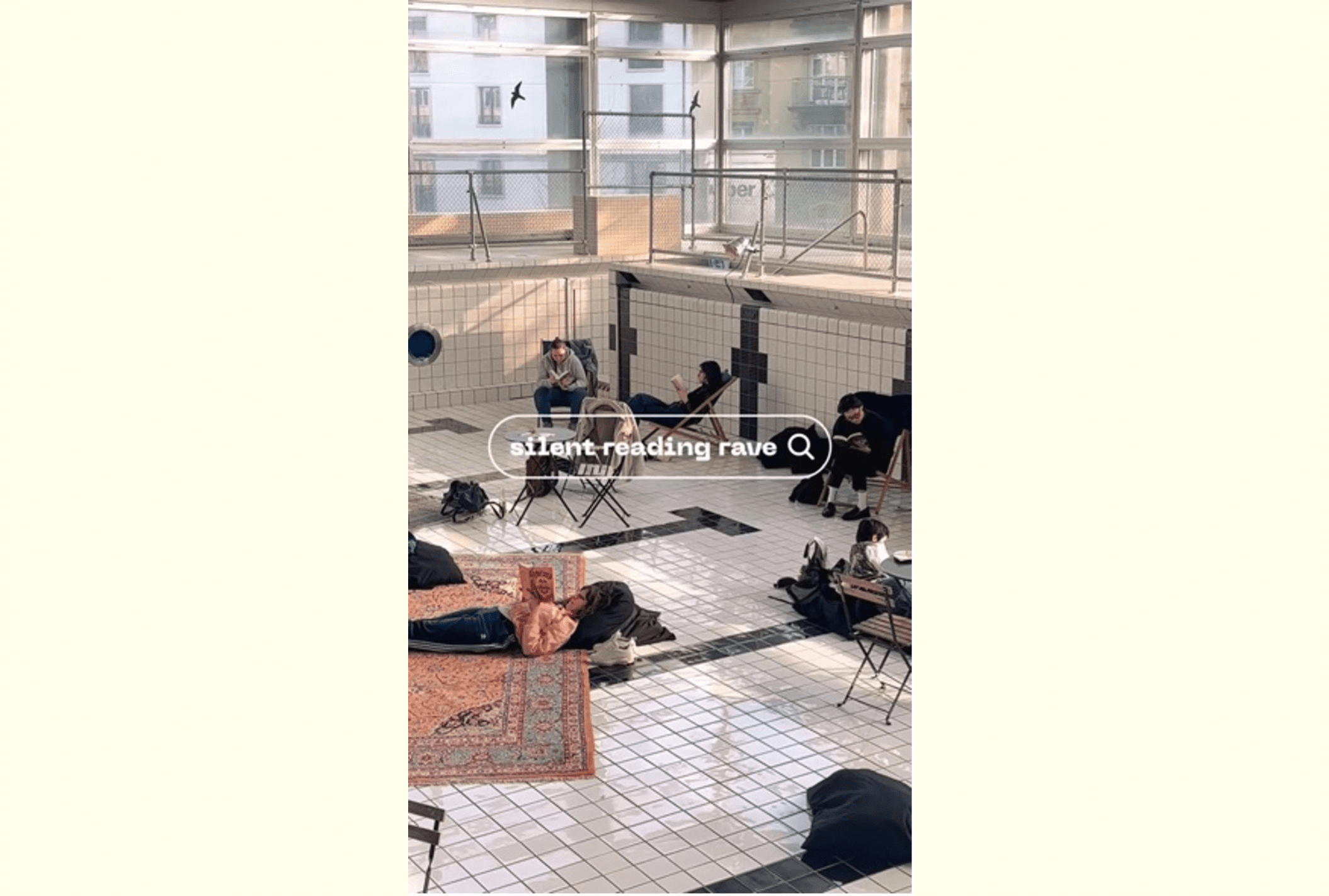
In Zurich, a non-profit called Silent Reading Rave is hosting free events where people bring a book, sit down, and read. No chatting. No networking. No pressure to perform. You can arrive, read, and leave without acknowledging a single soul.
Which, to be fair, is just… a group of people doing an activity.
Together.
Quietly.
But give it a name, and suddenly it’s culture. “Rave” has become less about what you’re doing and more about giving it a bit of energy. A bit of occasion. A reason to show up. It turns low-effort, low-pressure activities into something that feels intentional. We spent years losing third spaces. Now we’re rebuilding them… one “rave” at a time.
The Science of Wanderlust

Wanderlust might feel spontaneous, but it turns out it has a pretty tight brief.
New research from Expedia Group breaks down what actually nudges people from “that looks nice” to “I’ve just spent €600 I didn’t plan on,” and the answer is less dreamy vibes, more disciplined storytelling.
Video is doing most of the work. 71% of travellers say it influences booking decisions, compared to 24% for static images. But not all video gets a passport stamp. Long-form drives more emotion, and pacing matters. Scenes that last 2–9 seconds perform best, while anything faster starts to feel like you’re speed-running a holiday you haven’t even taken yet.
Structure helps too. Content with a clear beginning, middle and end consistently outperforms even the most beautiful visuals with no narrative. Add in tone, transparency (52%), clarity (46%) and authenticity (45%), and suddenly wanderlust looks less like magic and more like someone actually explaining where you’re going.
AI gets a cautious nod. 41% of travellers are open to AI-generated content when paired with human input, but fully synthetic beaches and influencers tend to trigger a collective “this feels off”, with 64% saying they’ve already clocked AI-generated travel ads.
There are generational quirks. Younger audiences lean into video and influencer content, reacting more emotionally (for better or worse), while older travellers stick with brand messaging and guide-style formats. Turns out people don’t need more inspiration, they need more clarity – a place they can picture themselves in, not one that looks like it’s been edited within an inch of its life. Wanderlust might start with a scroll, but it only sticks when it feels real enough to go.
Grammar Police, Now Delivering in 10 Minutes
If you’ve ever clocked a painfully misspelt shop sign and felt the urge to fix it, this one’s for you. Grammar policing has officially left the group chat and hit the streets of India.
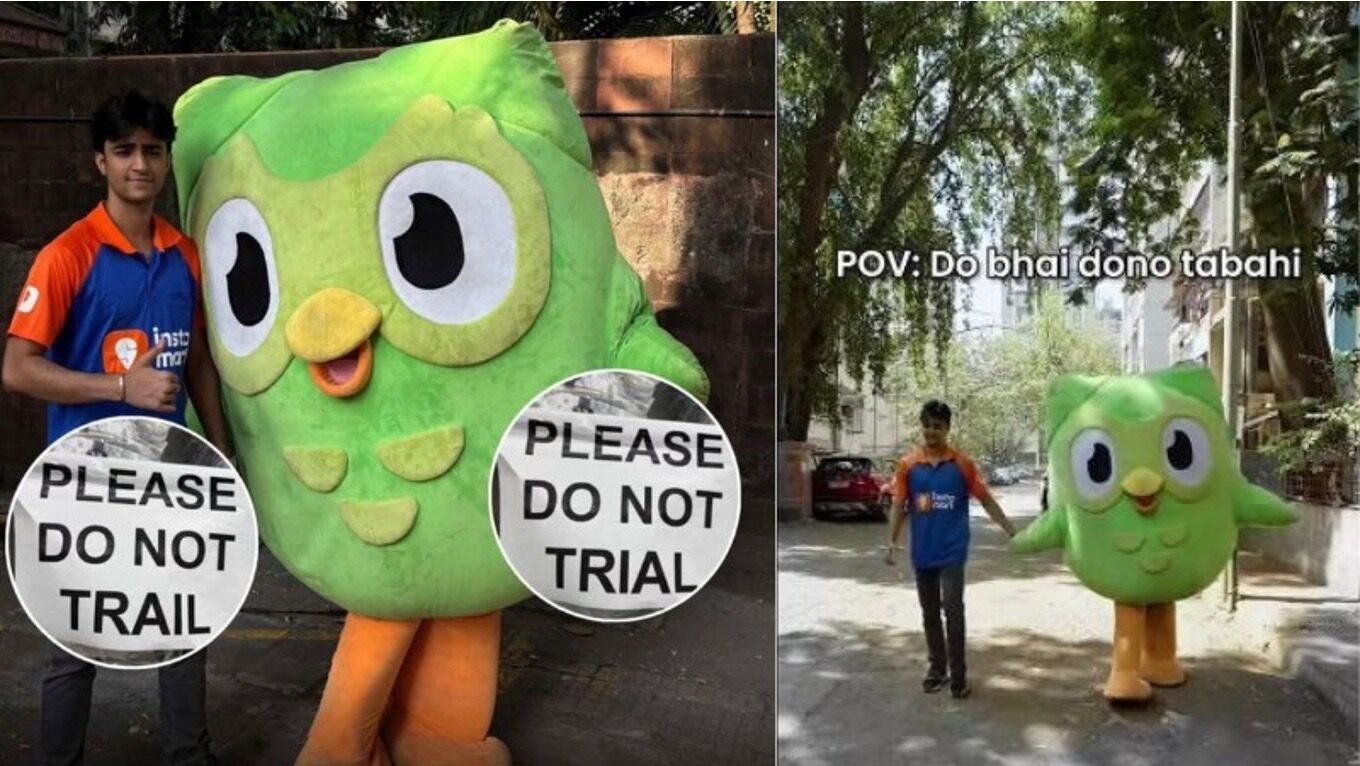
Instamart, one of India’s major food delivery platforms, has teamed up with Duolingo to turn that instinct into a campaign. Instamart’s proposition is speed: groceries, essentials and everyday items delivered in minutes. More recently, it’s added InstaPrint, an on-demand printing feature and this campaign exists to show exactly what that can do.
Across cities, spelling mistakes on shop signs, posters and menus are identified and corrected in real time. Enter Duo, Duolingo’s recognisable owl mascot, cast here as a tongue-in-cheek grammar enforcer. Corrections are printed instantly and pasted over the original text, turning everyday typos into a live-action edit button.
It taps brilliantly into a universal truth: we love spotting mistakes (especially when they’re not ours). By dragging that behaviour out of the digital world and onto the street, the campaign feels both culturally sharp and highly shareable, fuelled by real-time sightings and social chatter.
From a brand perspective, it’s doing the double. Instamart elevates InstaPrint from a functional extra to a hero use case positioned as the fix for everything from forgotten documents to public-facing blunders. Duolingo, meanwhile, continues its streak as the internet’s most persistent language coach, now operating beyond the app.