
In this week’s Our Take: a homeless campaign that measures up, a short-lived campaign that makes a point, a medieval castle gets a modern rebrand, and a tech revolution that starts at home.
height of injustice
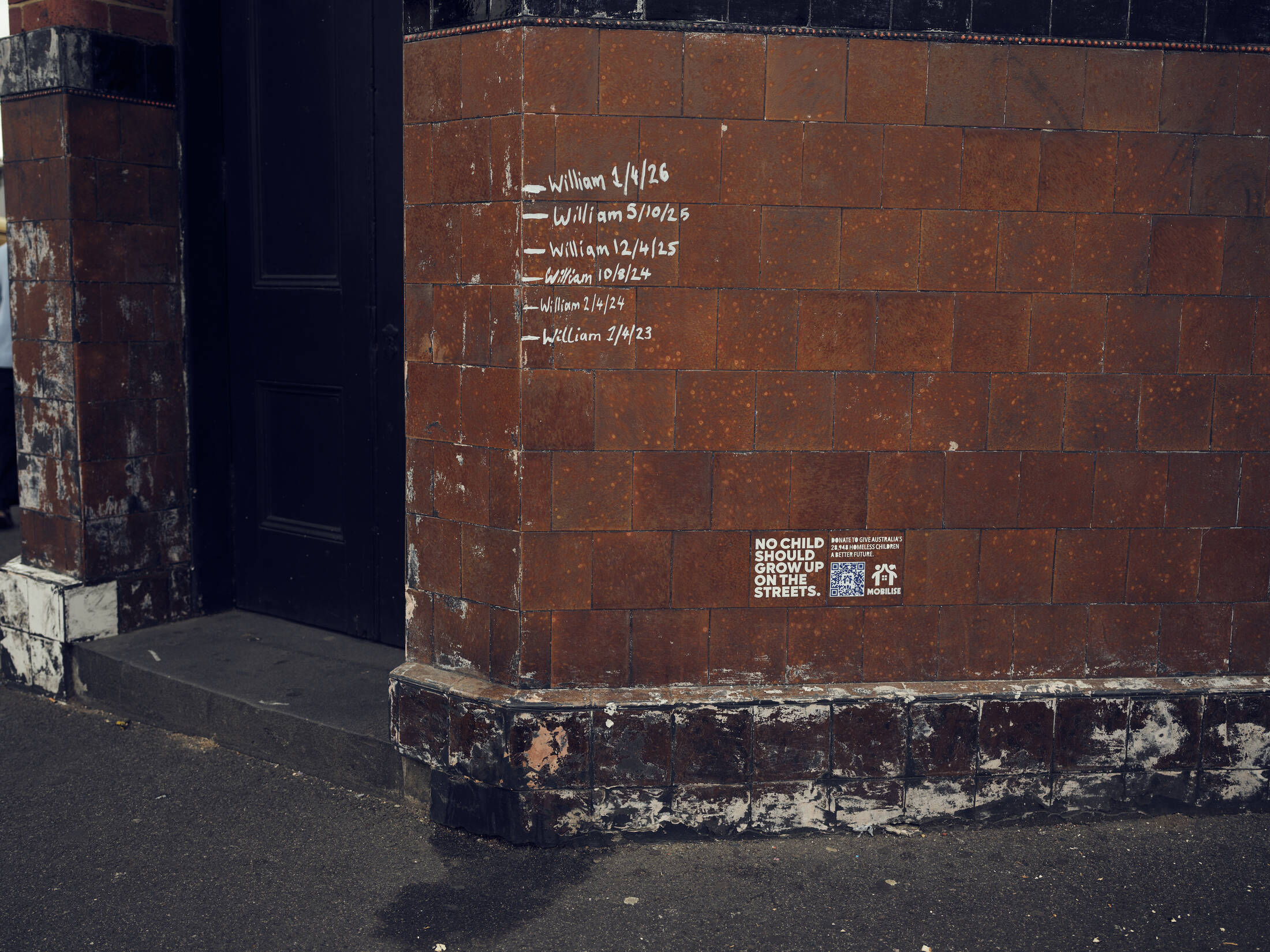
Australian charity We Are Mobilise has taken a familiar symbol of childhood and turned it into one of the most powerful campaigns we’ve seen in a long time. Children’s height charts, typically found scratched into bedroom doorframes, were instead marked onto outdoor walls. Each chart tells a story of a child growing up homeless, tracking their height over years without a home to call their own.
The campaign line – No Child Should Grow Up On The Streets – completes the story, and comes with a QR code to a donation page.
Take a bow, Droga5 Australia. This sets a standard in simple, effective campaigning that we’ll be talking about for a long time to come.
A message down pat
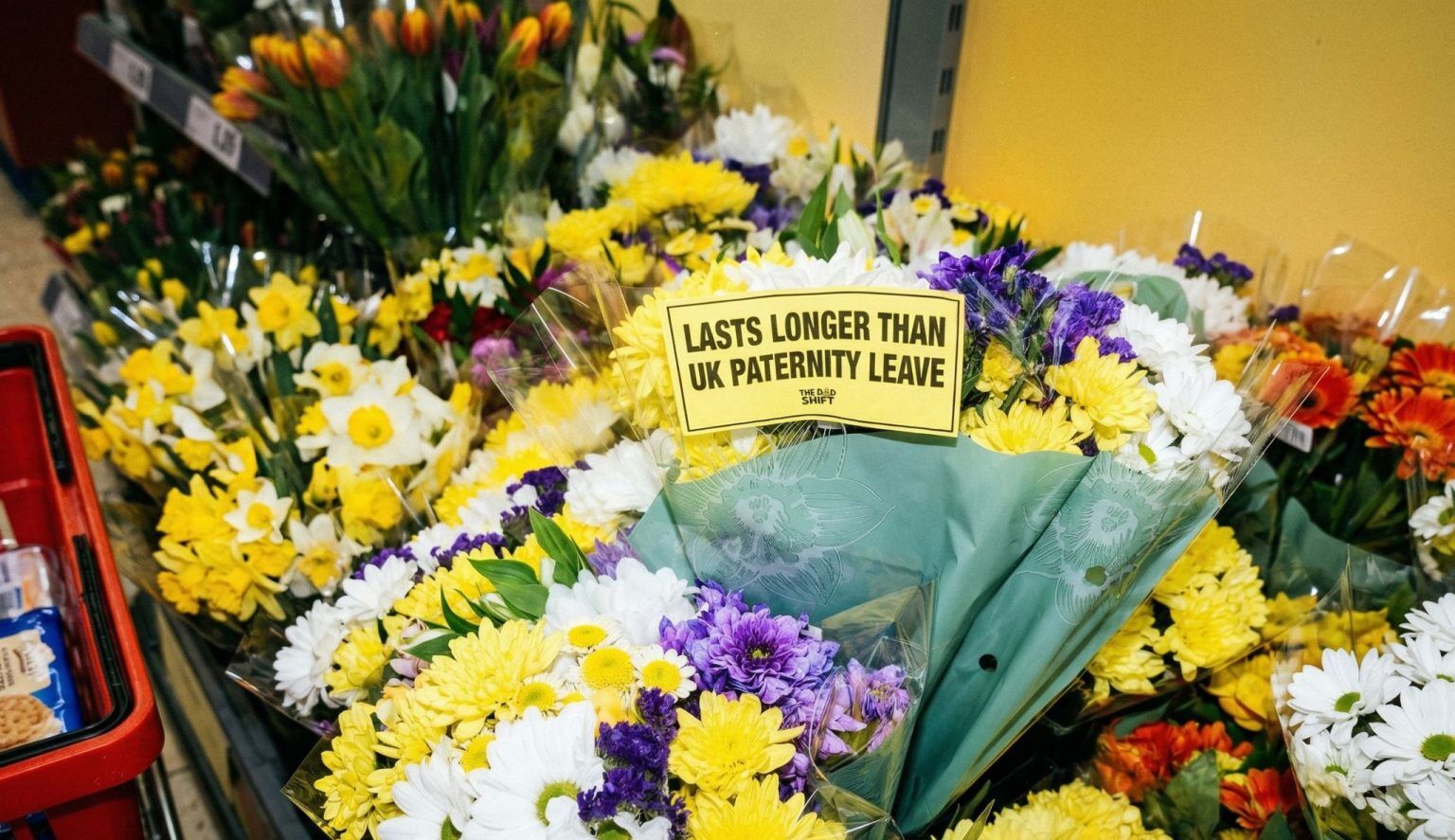
We also loved this guerrilla campaign we saw for The Dad Shift – a British group calling for proper paternity leave in the UK.
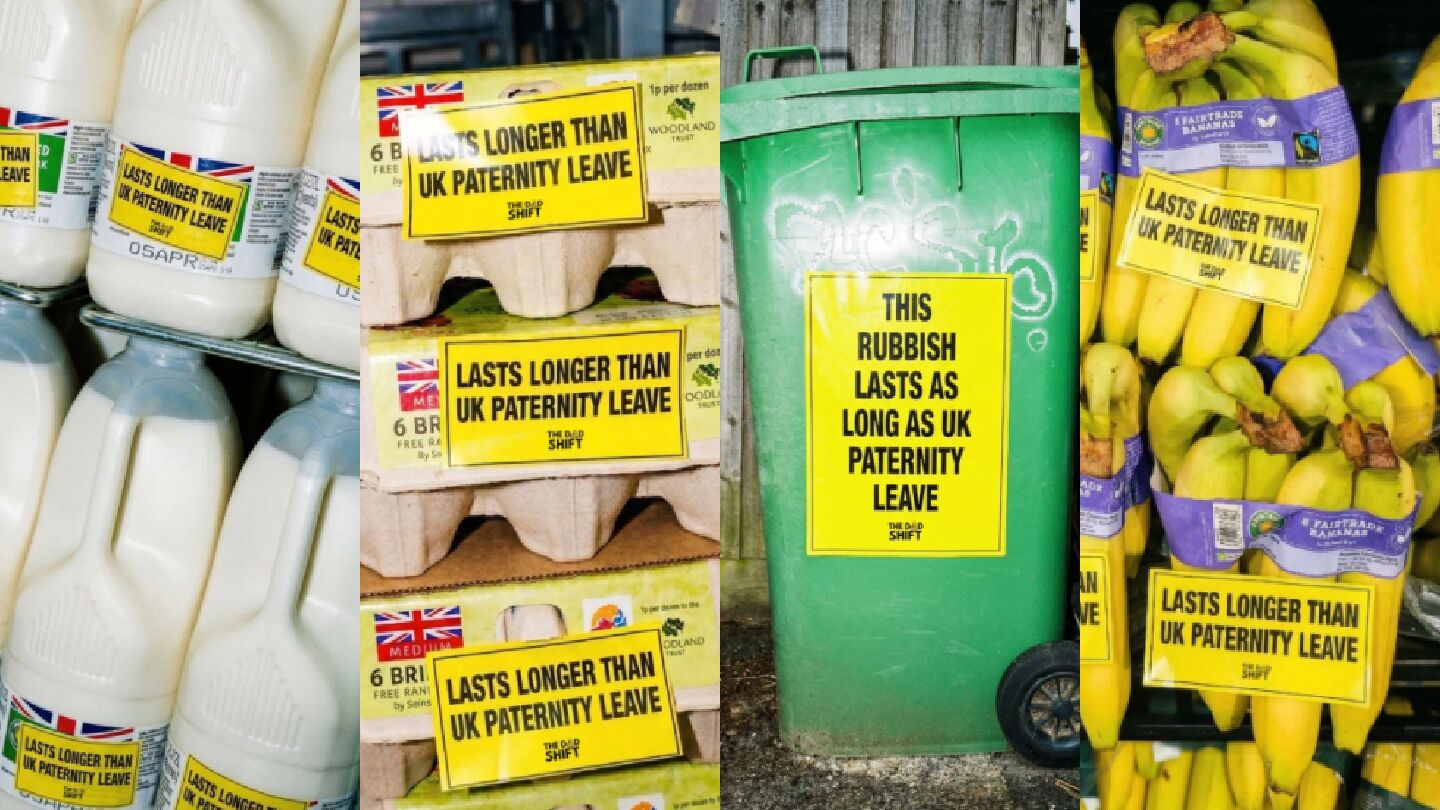
New dads in the UK get a mere two weeks of statutory pat leave. To illustrate just how little time that is, activists attached stickers to a bunch of notoriously short-lived grocery items that will outlast it. Fresh flowers? Eggs? Milk? A new dad is back at work before any of those get binned. And, oh yeah – his whole time off can fit between two bin collections.
We agree – the law is bananas (also stickered).
Modern Medieval
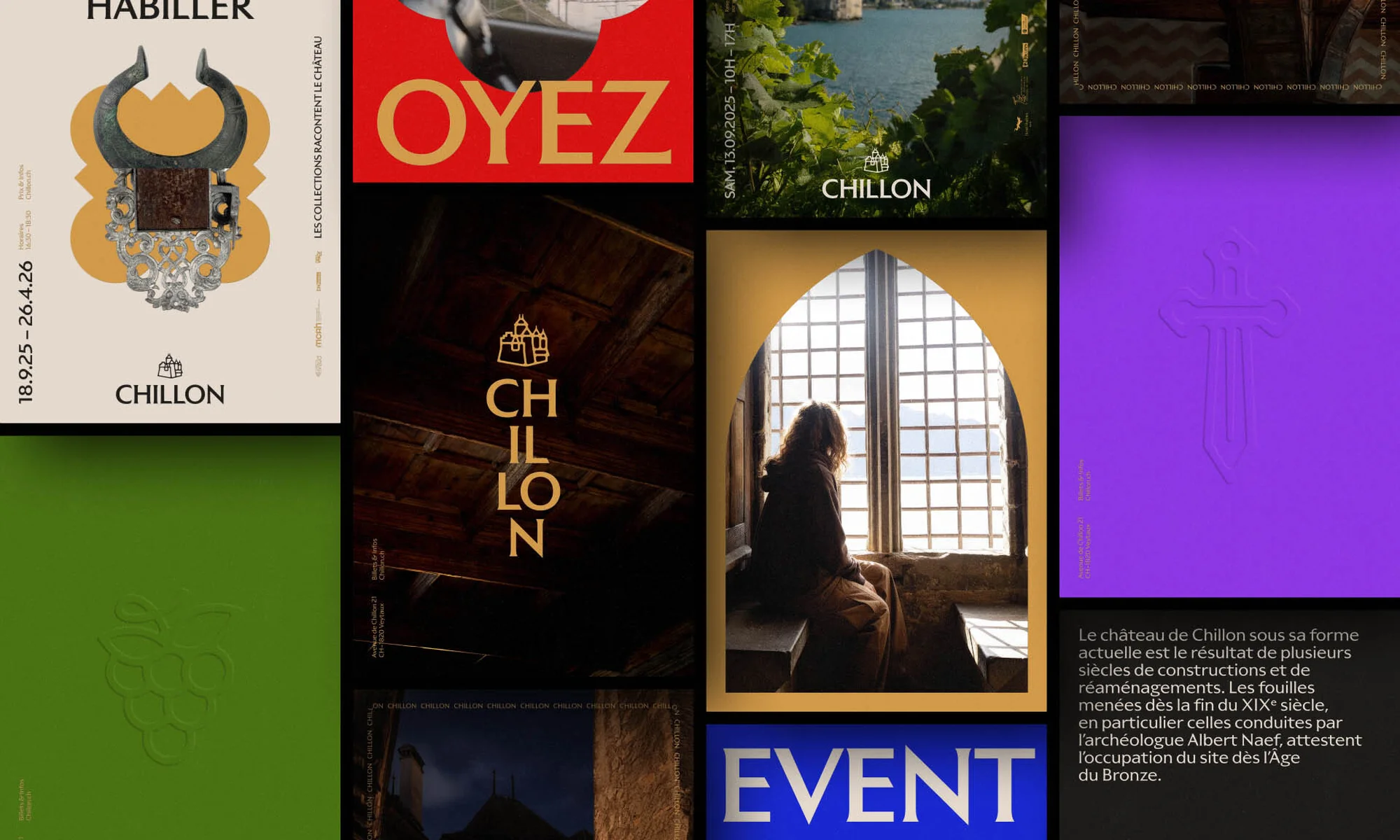
The medieval aesthetic is quietly resurfacing, even in places better known for restraint and minimalism. Switzerland is not typically associated with nostalgia or ornament, which makes the recent rebrand of Château de Chillon feel like an interesting shift rather than a predictable one.
Developed by Hymn, the identity doesn’t lean into heritage in the expected way. Medieval references appear reframed and placed in contemporary contexts. Across the identity, medieval iconography is refined into a clean, contemporary system, while colour helps establish a sense of vibrancy. Even the typography carries subtle, almost organic flourishes that shift and feel like evolving forms.
The project aligns with a broader shift happening closer to home. It reminded us of the fabulous branding done for The Púca Festival 2026 – and how they blend the historical and the contemporary.
It’s a thoughtful, beautifully executed rebrand, and one worth bookmarking, especially for anyone thinking about the future of heritage and tourism identity.
Home Made HiGh Tech
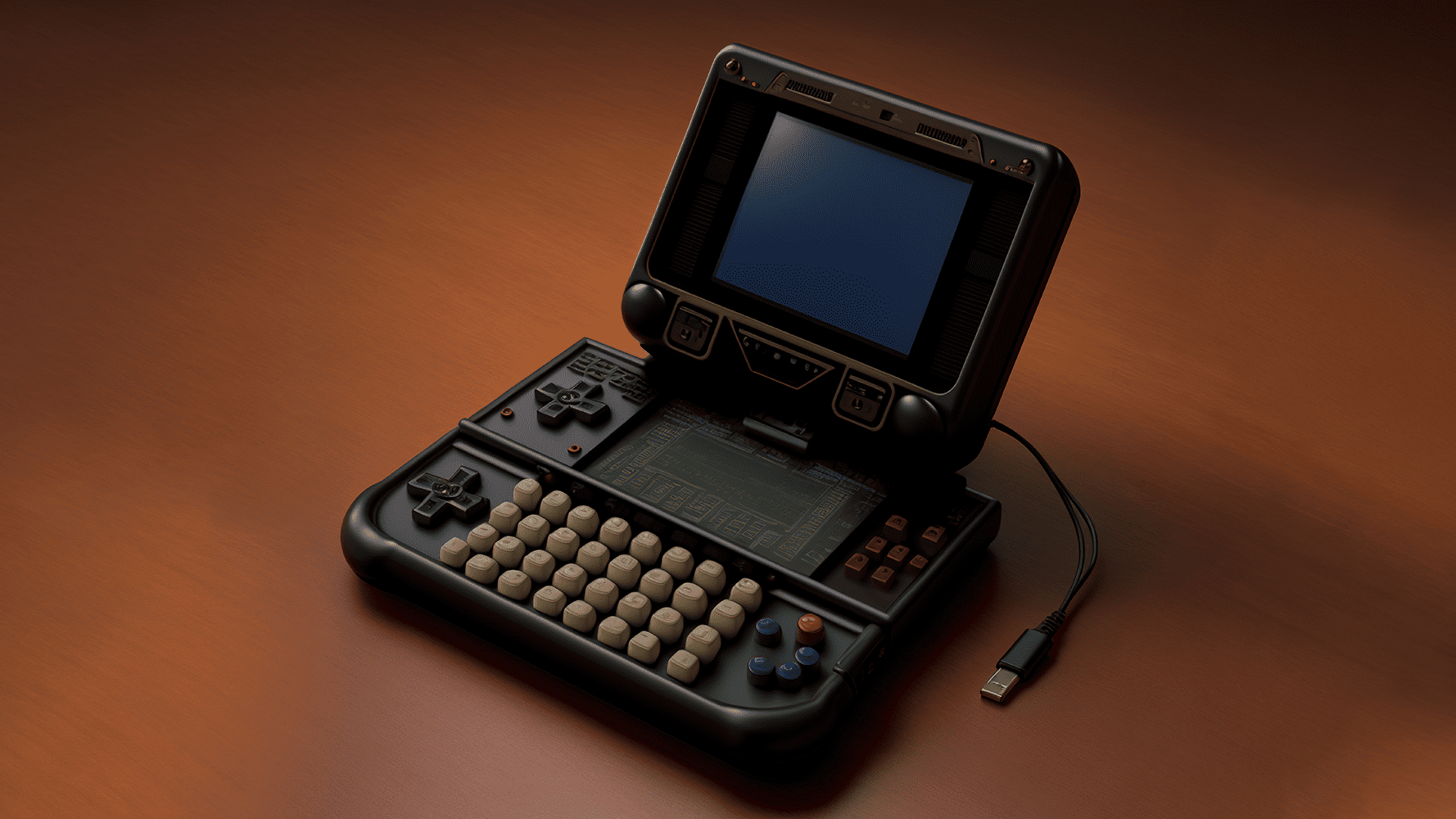
There’s a growing backlash against modern tech, where the platforms we use feel less like they serve us and more like they take from us. That tension has led some creators towards cyberdecks: DIY and highly personalised computers built from repurposed parts, designed to work offline and on the user’s terms.
Popularised on TikTok, cyberdecks double as creative projects and a kind of quiet resistance, with people loading them up with films, music, maps and offline content while prioritising ownership and control.
Cyberdecks aren’t really about the hardware: they reflect a wider frustration with being locked into systems we don’t fully trust but can’t easily leave. Being more intentional with how you use tech and keeping parts of your life offline feels like a small but meaningful shift.