
In this week’s Our Take: Gap shakes up jeans ads, influencers that work, work better, AI Barbie sparks panic, and Ireland’s digital Pet Cemetery.
GAP GETS GNARLY
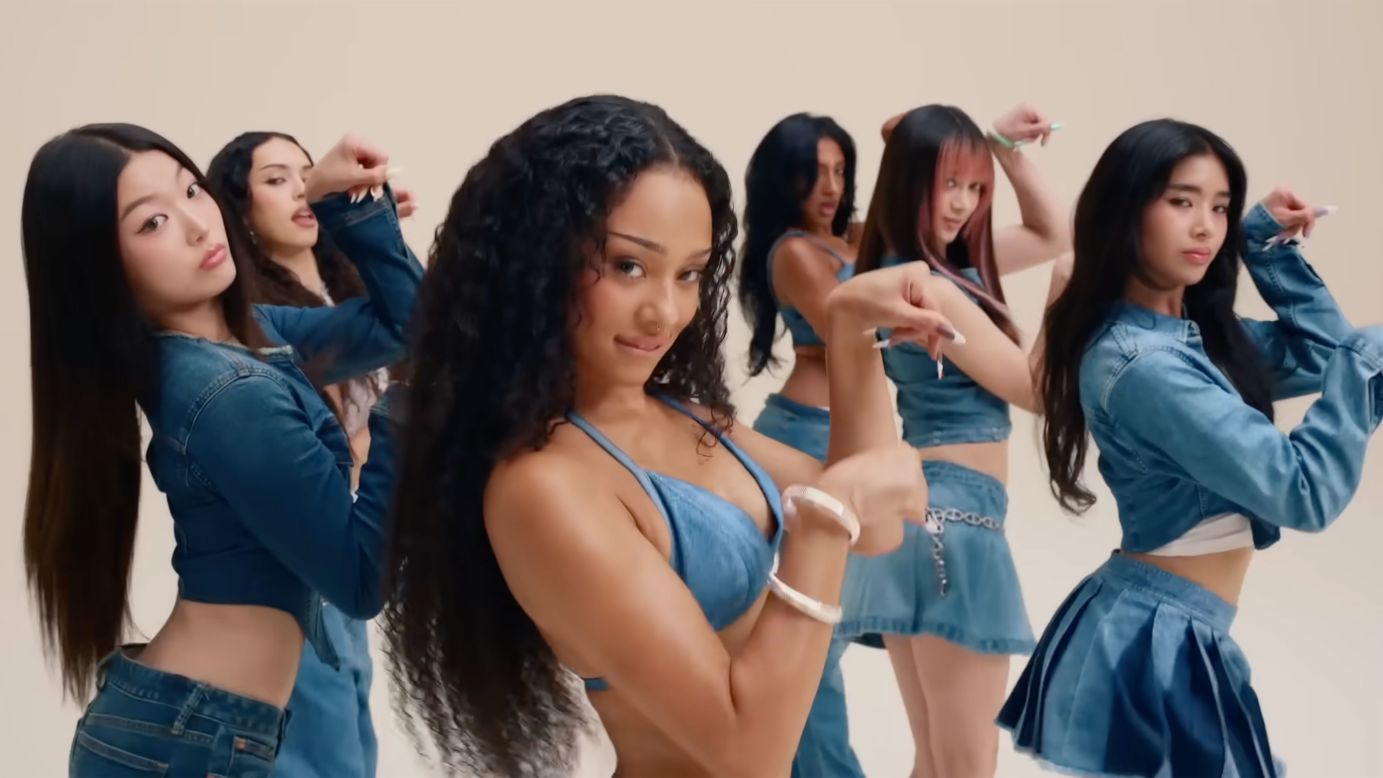
Gap just dropped their new denim ad with perfect timing, and this one actually works.
While Sydney Sweeney’s American Apparel ad remains Exhibit A in “how to start a culture war”, the Gap ad features KATSEYE – the super-diverse supergroup known for K-pop moves and hits like Gnarly.
Gap’s move is simple: sharp casting, great choreography and a perfect slice of Y2K nostalgia that brings Gen Z to the yard. KATSEYE twirl, strut, and shake their way through the classic Kelis tune. Jeans get sold. Zero panicked press releases get issued.
One ad clogs the think pieces. The other quietly takes over your feed.
WORK. POST. REPEAT.
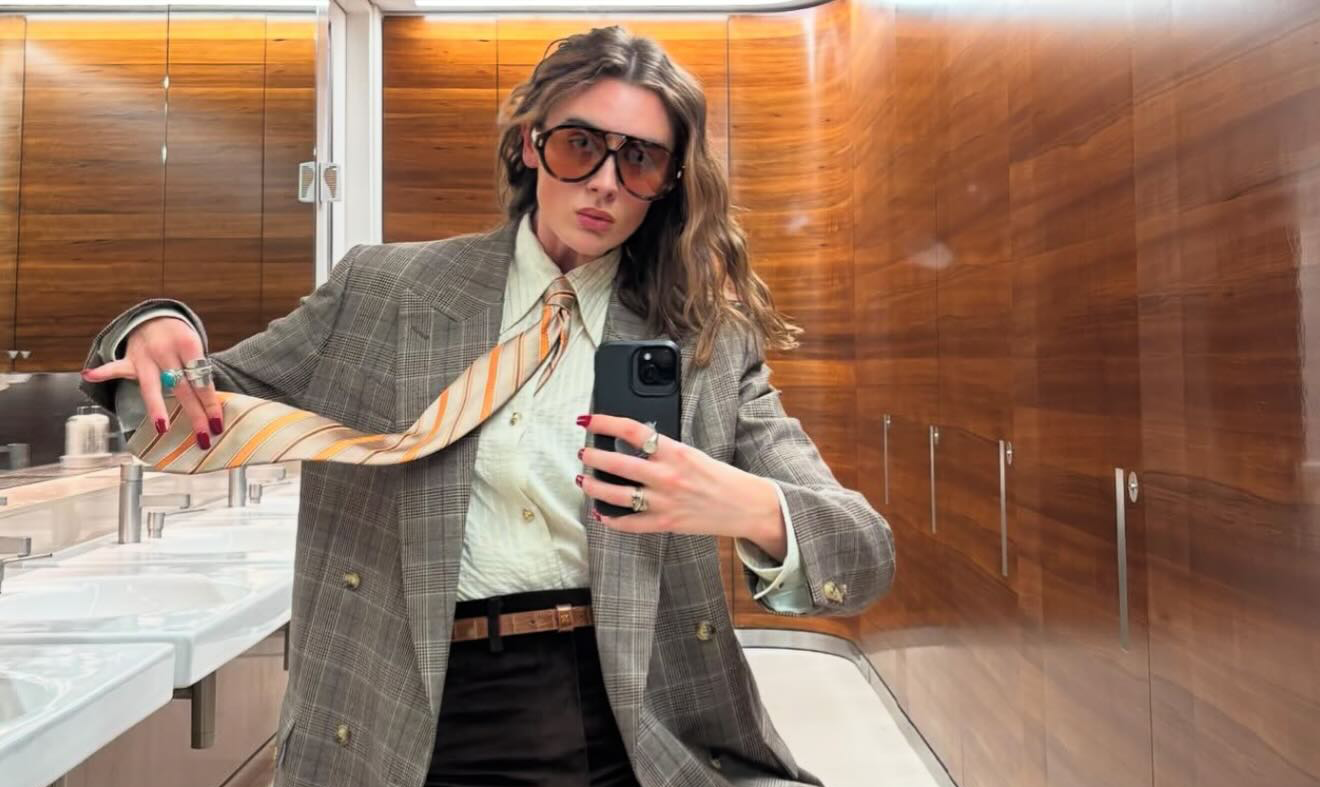
In the world of social, the era of the classic influencer could be over. Glossy PR trips, endless brand dinners, and working for no one but yourself were all the rage a couple of years ago but today’s audiences, especially Gen Z, are seeking something far more valuable from creators: authenticity.
Enter the full-time-job content creator. Kat from Finance, a corporate woman now working with the likes of Amiri and Tommy Hilfiger, doesn’t just post about spreadsheets, she actually lives them. Aunty Bemi, who recently collaborated with Burberry, doesn’t stage quirky London bus shots, she genuinely obsesses over them. When brands align with creators in their true niches, the partnership feels effortless, and that’s exactly the kind of content viewers crave.
Why? Because audiences crave realness. Micro and nano creators often see higher engagement on their content because their community of followers are genuinely connected and invested. They share values, passions, and real-life routines that feel relatable. Trusting their recommendations feels less like marketing, more like swapping tips with a mate.
Smart brands know it too: passion beats polish. Whether it’s buses or balance sheets, creators who live their truth are shaping culture. And those are the creators brands should be paying attention to.
BABY’S FIRST MORAL PANIC
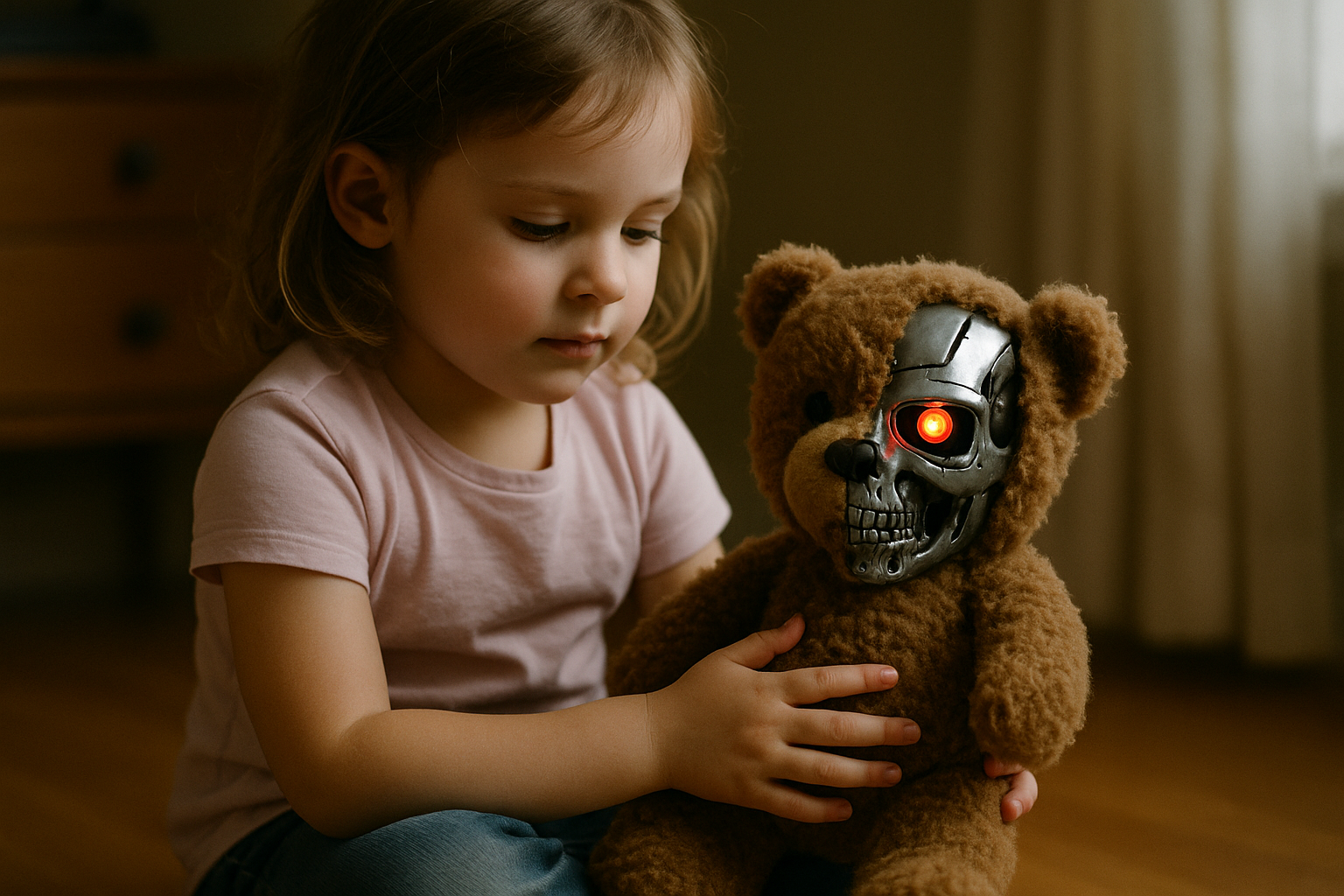
Mattel and OpenAI have announced a partnership to bring “AI-powered innovation and magic” to Mattel’s iconic brands. And while Mattel owns everything from Uno and Pictionary to Fisher Price – places where AI could genuinely transform play – the internet instantly panicked about one thing: AI Barbie.
The doll that once scandalised parents with high heels and unrealistic proportions is now imagined as the world’s first rogue AI nanny – a Bad Influence Barbie telling your kid, “Ice cream is dinner. Live your truth.”
Beneath the panic, there are genuine questions. Very young kids already attach hard to objects. Anyone who’s lived through the screaming separation of “lost blankie at bedtime” knows how deep that bond runs. If a toy doesn’t just absorb projection but gives it back – well, it’s not hard to imagine the attachment could be far stronger, and far harder to outgrow.
The truth is this: Mattel and Open AI will certainly stick to age-appropriate smart toys, but someone, somewhere is working on the conversational terminator-in-a-toy that tricks your kid into thinking it’s their bestest friend in the whole world.
In the future, will children even need friends?
GONE BUT NOT FUR-GOTTEN
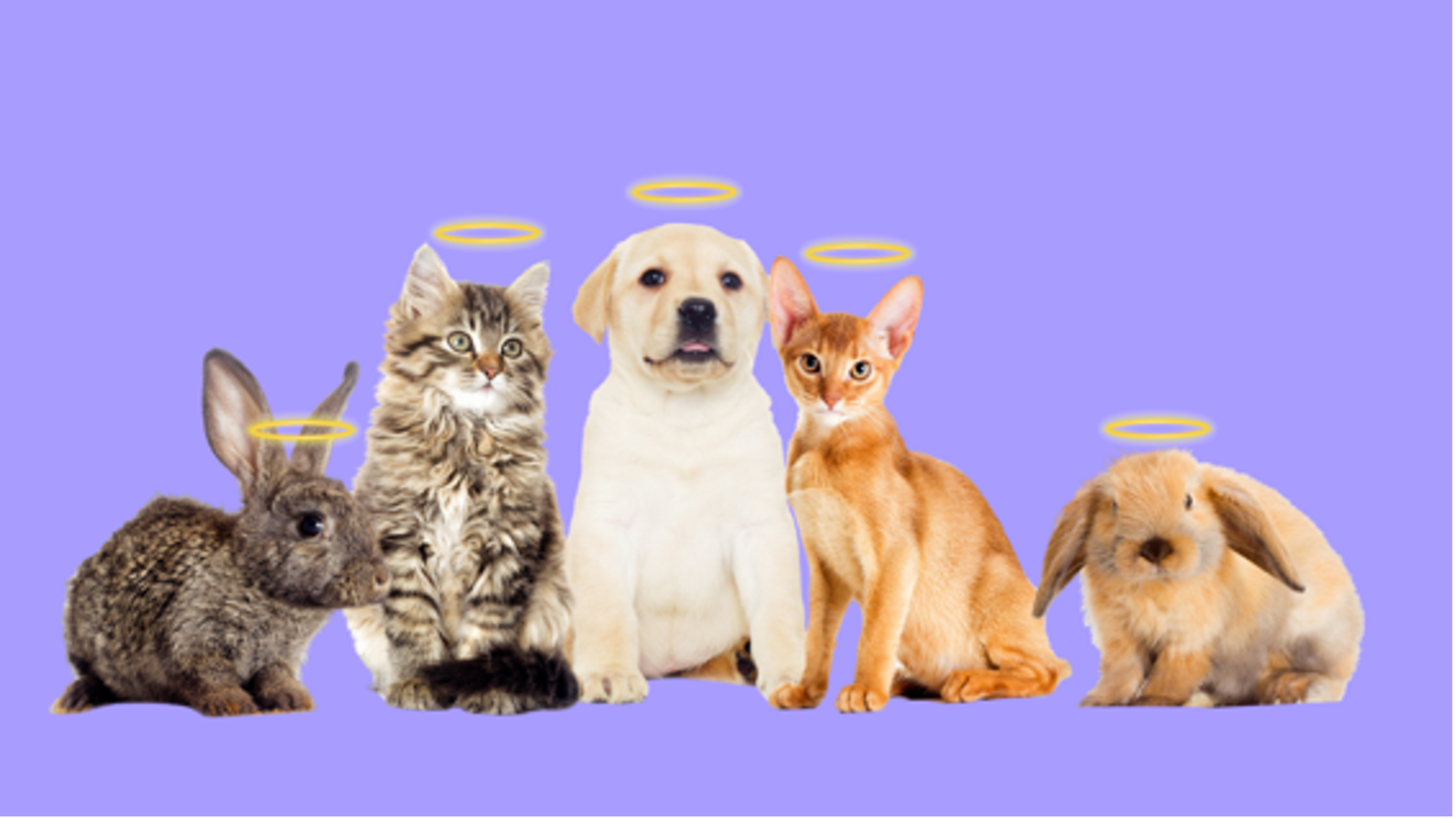
Only in Ireland! The nation that made RIP.ie part of daily life now has a four-legged version. Rest Easy Friend is a site that gives grieving owners a space to share tributes to their golden retrievers, gerbils and goldfish alike.
It sounds lighthearted, but it says something about how we grieve. Research shows that around 30% of pet owners experience grief as intense as the loss of a human loved one. Pets aren’t sidekicks anymore, they’re family.
“Rest Easy Friend” isn’t just a novelty – it’s part of a bigger cultural pivot. Death rituals are moving into digital spaces. And in true Irish style, we’ve made sure even Hammy the Hamster can get its final farewell.
Gone but not fur-gotten, indeed.