
In this week’s Our Take: paying to go offline, AI artists blur authenticity, existential humour goes mainstream, and culture turns into collectables.
The Cost of Being Offline
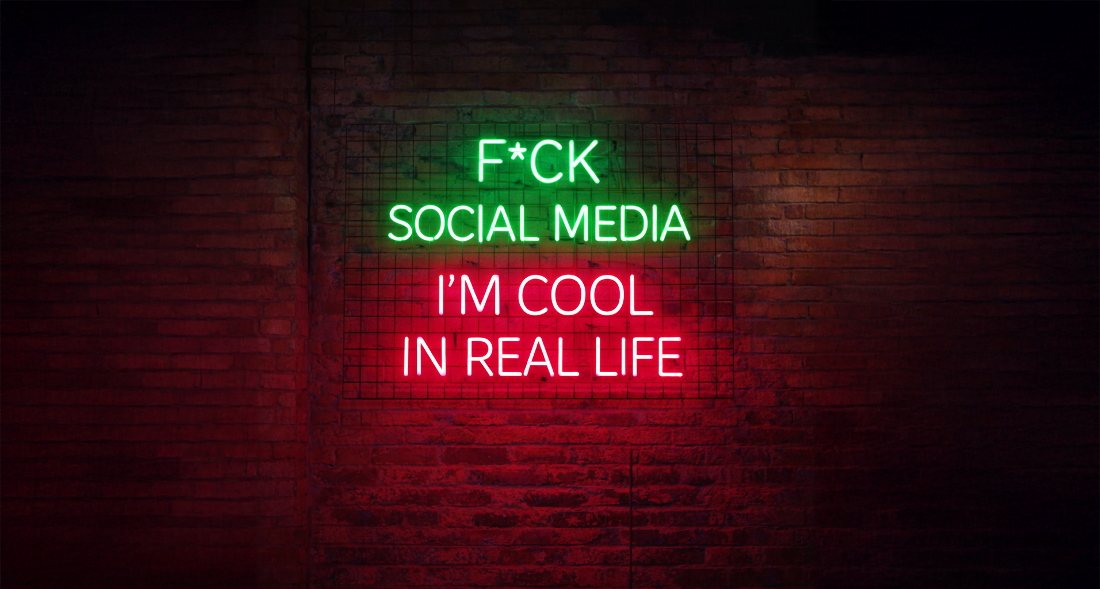
Over the past year, we’ve seen a consistent shift in how people want to spend their time. Run clubs are replacing nights out. Craft circles, book clubs, hike groups and cooking collectives are popping up everywhere. It all points to the same thing: a growing appetite for real-world connection in a life that’s become overwhelmingly digital.
Screens are no longer just entertainment. They’re our offices, calendars, social lives, dating pools and news feeds. For many Gen Z, the line between “online” and “offline” has very much blurred. The result is a blend of fatigue, anxiety and a creeping sense that something human is being lost to the doom-scroll.
Cue The Offline Club: a growing series of phone-free meet-ups across Europe where attendees hand over their phones at the door, spend an hour in near silence doing analogue activities (reading, drawing, puzzles), and then talk. There are no notifications, no social safety net, just pure presence and human connection.
Absolutley shocking stuff that people are paying for this. I mean walking in nature is free? It’s an interesting take on the extreme measures people will go to spend less time on their devices. It’s one thing to seek a digital detox, it’s another to pay money and have your phone physically locked away because you don’t trust yourself not to reach for it. That says less about novelty and far more about need.
What’s revealing isn’t just the demand for connection, but the escalation. These aren’t free, spontaneous gatherings. They’re paid, structured and enforced. When switching off requires a booking, a fee and a locked cabinet, it stops feeling like a trend and starts looking like a response to a concerning dependency. With The Offline Club now operating across multiple European cities and regularly selling out, this isn’t fringe behaviour, it’s a commercial answer to a very real problem. Judging by the momentum, it’s only going to grow.
When “Real” Becomes Optional:
What AI Culture Means for Brands

The rise (and maybe non-existence) of Sienna Rose is, so far, one of 2026’s most telling cultural stories, because it feels like a breakthrough artist, but it probably isn’t one at all.
Sienna Rose has been stacking impressive numbers on Spotify, nearly 3 million monthly listeners and three tracks on the Viral 50 chart, yet there’s no tour, no interviews, no social presence, no behind-the-scenes bumps in the road. That alone would raise eyebrows, but streaming platforms have raised them even higher. Deezer has flagged most of her music as AI-generated using their detection tools. Songs released between September and December include at least 45 tracks in an impossibly short span for a human creator. And major artists have inadvertently amplified the illusion, a Golden Globes Instagram post once featured her track until it was quietly removed when questions about her legitimacy grew.
The Sienna Rose situation highlights a broader shift in content and cultural engagement: audiences are responding emotionally to work that doesn’t leave human traces. In the past, a rising artist left footprints, interviews, concerts, background stories, imperfections that anchored them in reality. But Sienna Rose’s music feels familiar enough, blending neo-soul warmth with modern R&B, that listeners engage first and question later.
For marketers, this raises an uncomfortable but unavoidable point: authenticity is no longer defined by who made something, but by what it feels like and how it lands. In a world where people are comfortable engaging with algorithmically generated art, sometimes without even realising, resonance can outweigh origin. That doesn’t mean truth doesn’t matter; it means emotional impact often comes first.
The line between human and artificial creators is blurring, and success is being measured less by presence and more by engagement. Brands need to understand that in 2026, feeling real often matters more than being real.
Cute Penguin, Dark Vibes

Look at that penguin go! A tiny, adorable penguin waddling away from its colony straight into the unknown. No food. No shelter. Just vibes and certain death.
Now what the f*ck! Is crying over nihilistic penguins on TikTok the new trend of the year!? Well… kinda…
The meme originally comes from Werner Herzog’s 2007 documentary ‘Encounters at the End of the World’. In the clip, a penguin abandons its group and heads toward distant mountains, where scientists explain there is literally NOTHING. This behaviour is strange, but does happen and there’s no 100% certainty why. Herzog narrates it in his signature philosophical tone (accompanied by the classic track L’Amour Toujours) and ends with the perfect question: but why?
Although the movie is from almost two decades ago, it found its space on TikTok this week, but why?
Well, social media is deep in a nostalgia-existential-tragic-nihilistic-humor era. We’ve seen it with trends like ‘2026–2016’, with users yearning for pre-doomscrolling internet and longing for the good all times. Add to that a growing social media fatigue (yes, we see the irony), and suddenly this dammed penguin feels… relatable.
But the meme isn’t just bleak. Many users took it as a statement of rebellion: leaving the nest, chasing meaning, choosing motion over staying still, romanticising the unknown. And that’s why we think this cute, suicidal penguin meme works. It’s cute, absurd, tragic, maybe something like a mirror of the current society we live in.
Do You Take Brat Here?
Brat Summer might be over for everyone else, but Charli XCX is clearly not letting it go quietly. The Moment, her new mockumentary-style film, skewers the machinery of pop success with just enough self-awareness to make it sting. It’s a knowing send-up of what happens when something hype-worthy gets too big to stay untouched.
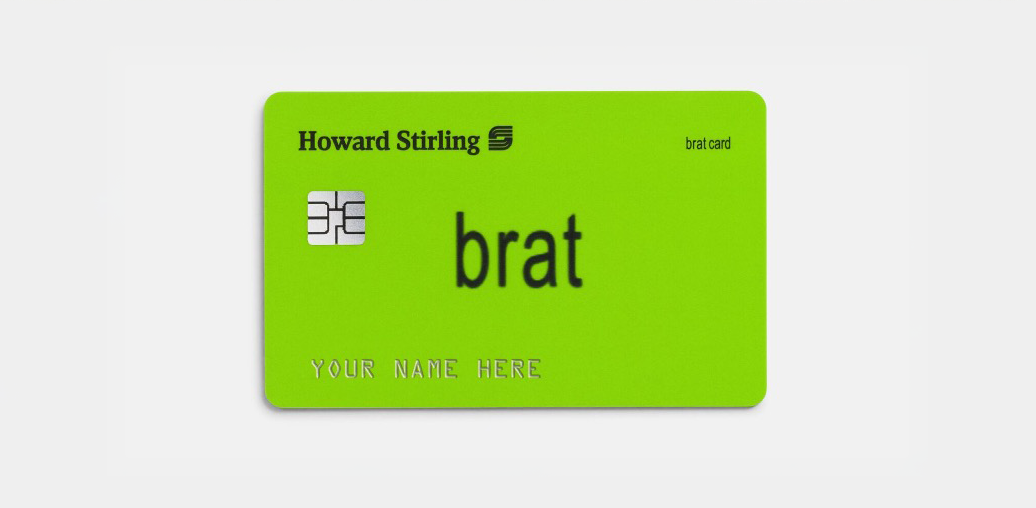
The Howard Stirling Brat credit card is the perfectly ridiculous invention that lands the joke. In the film, it’s pitched at Gen Z, promising access, exclusivity, and concert tickets, while quietly proving the point that no cultural moment is safe from being monetised.
Outside the film, the Brat card is completely useless. It doesn’t buy anything. It doesn’t unlock perks. It exists purely as an object, a badge. Select versions have been floating around celebrity circles and cultural insiders, and now anyone can order one via the A24 shop. Owning it is the point.
This is classic A24 behaviour. The studio has mastered the art of turning ideas into artefacts. The Brat card sits neatly alongside their hyper-stylised drops and cult objects that signal “I was there” without needing to explain.
They recognise that audiences don’t just want to stream culture anymore, they want to hold it, photograph it, flex it. The Brat card is about belonging. Tangible relevance, minted in neon green.