
In this week’s Our Take: Social media gets the cigarette warning treatment, Louis Theroux becomes an unlikely sneaker icon, “grandma hobbies” get algorithmically aesthetic, and the afterlife gets a Spotify playlist.
MumsNet Drive Ban on Teen Social Use With Clever Imagery

A UK campaign is treating social media like cigarettes, and suddenly the conversation about teen screen time feels a lot less abstract.
Parent platform Mumsnet has launched a campaign calling for a ban on social media use for under-16s, using imagery that borrows straight from the visual language of cigarette packs. The billboards show an iPhone sitting where the cigarettes should be, surrounded by cues linked to anxiety, compulsive behaviours and medication.
No long copyor complex argument. Just a visual that lands in half a second.
It’s clever because everyone already understands the metaphor. Public health campaigns spent decades teaching us what a cigarette pack means: warning labels, addiction, consequences. Mumsnet just swaps the product.
The timing is notable too. Governments across Europe are starting to ask harder questions about children and social platforms. In Ireland, policymakers have recently committed to exploring age restrictions for under-16s using social media – which means the cultural groundwork for regulation is quietly being laid.
For years social media has sat somewhere between entertainment and utility. Compare it to cigarettes, and suddenly it looks more like a vice. Which is an uncomfortable position for platforms whose entire business model depends on younger users joining early.
If that comparison sticks, this debate could move very quickly.
Neon 95s Get the The roux Touch

JD Sports has taken a simple gamble: if you put two cult favourites in the same room, does the internet decide it’s iconic?
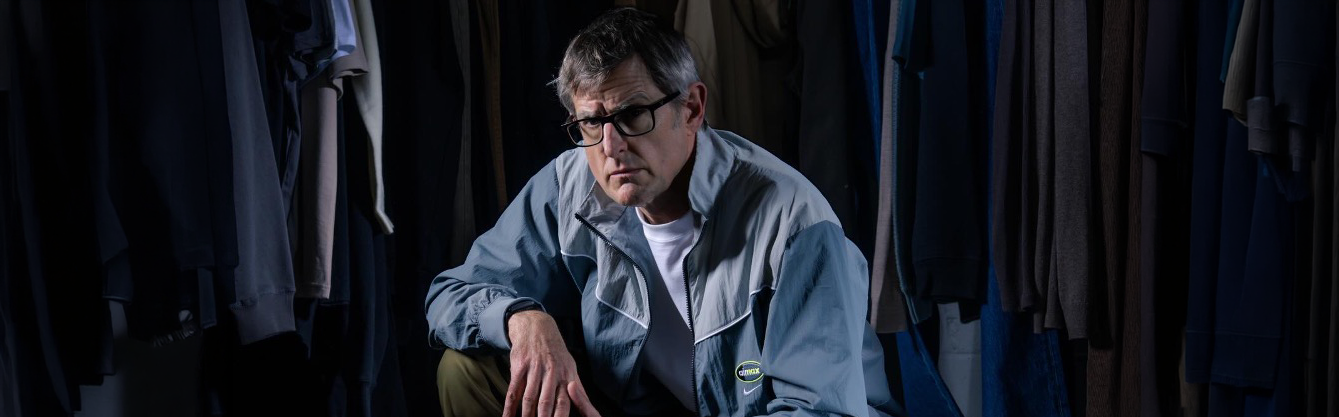
To mark the return of the Nike Air Max 95 OG Neon, JD has recruited an unexpected poster boy, Louis Theroux. Not an athlete. Not a chart-topping rapper. Instead, the softly spoken documentary maker best known for politely interviewing extremists, cult leaders and the occasional eccentric.
Which, strangely, makes him perfect.
The Air Max 95 already carries serious cultural mileage in the UK. It’s a silhouette woven into street culture, terrace fashion and sneaker history. JD hasn’t tried to overcomplicate that legacy. Instead, they’ve placed it in slightly unexpected hands and let the contrast do the work.
Theroux appears alongside a mix of internet and music personalities, including streamer Angry Ginge and rapper Kasst, creating a line-up that spans generations of British culture.
And Theroux brings something brands rarely manufacture successfully: accidental virality. His quietly bemused delivery has a habit of circulating online whether he intends it or not. Put him in a pair of Neons and you’ve basically handed the algorithm a free cup of tea and a biscuit.
After all, if Louis Theroux can walk calmly into the world’s strangest subcultures, he can probably handle a sneaker campaign too.
‘Grandma Hobbies’: The Analogue Trend Repackaged?

“Grandma hobbies” are in vogue but with a suspiciously stylish glow-up.
Crochet, puzzles, crosswords, watercolours. The cosy classics are enjoying a renaissance as younger audiences search for an antidote to doomscrolling, screen fatigue and the mild existential dread of modern life. Therapists will happily back the movement. Hands-on hobbies boost focus, sharpen memory and slow the mind down.
Lovely in theory. Online, however, the humble jigsaw has developed a taste for luxury lighting. Scroll through TikTok or Instagram and these supposedly low-pressure hobbies arrive heavily styled: premium yarns, curated craft stations, puzzle boards that look like Scandinavian furniture.
Activities meant to escape optimisation quickly become optimised themselves. The “slow moment” gets filmed. The craft table gets colour-graded. Suddenly the quietest hobbies are performing for the algorithm.
None of this means the trend is hollow. The appetite for analogue downtime is real. After years of digital overload, people genuinely want something tactile and absorbing. But the internet struggles to leave anything uncurated.
We have a permission to do something badly, slowly and without documenting it – so go forth and make that eight sleeved jumper for the octopus pet you always wanted.
Rest in Beats
Have you ever wanted your playlist to last forever?
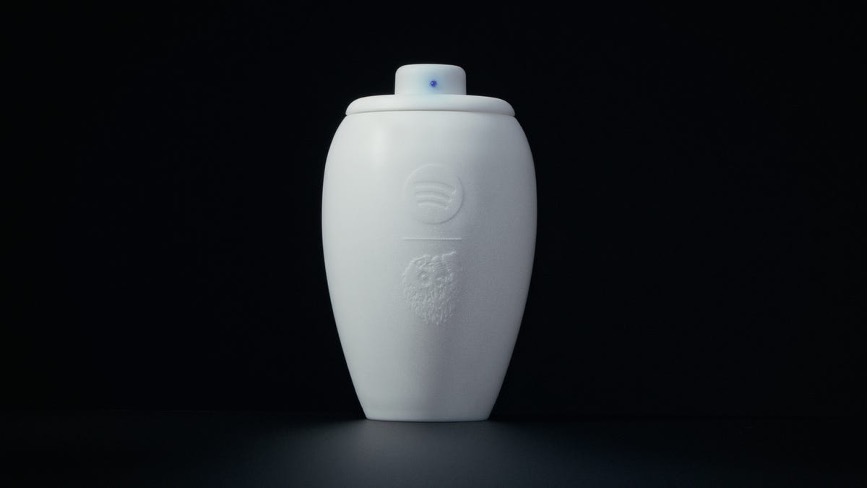
Enter the Eternal Playlist Urn, a delightfully unhinged collaboration between Spotify and Liquid Death. The limited-edition urn comes with a Bluetooth speaker built directly into the lid, meaning your favourite tracks can keep playing long after the lights go out. Equal parts brilliant and bonkers, it transforms an object designed to hold ashes into something that broadcasts your personal soundtrack into eternity.
And because no one wants to spend the afterlife stuck with songs they’d normally skip, Spotify has added an Eternal Playlist Generator inside the app. It asks a series of cheeky questions, “What’s your eternal vibe?”, to help craft the perfect forever playlist.
For Liquid Death, this kind of tongue-in-cheek provocation is business as usual. The brand has built its identity around dark humour and unexpected cultural moments, happily poking fun at subjects most brands tiptoe around.
What makes the collaboration interesting is how naturally it lands. Memorial culture is slowly becoming more personalised, playlists at funerals, curated celebrations of life, rituals that reflect the person rather than the protocol. The Eternal Playlist Urn simply leans all the way in.
Because if we’re all heading to the same place eventually, we might as well arrive with a decent soundtrack.