
In this week’s Our Take: Snail mail’s slow revival, football’s secret feeds, the return of the landline, and why streaming is chasing superfans.
Snailed It- Snail Mail Renaissance
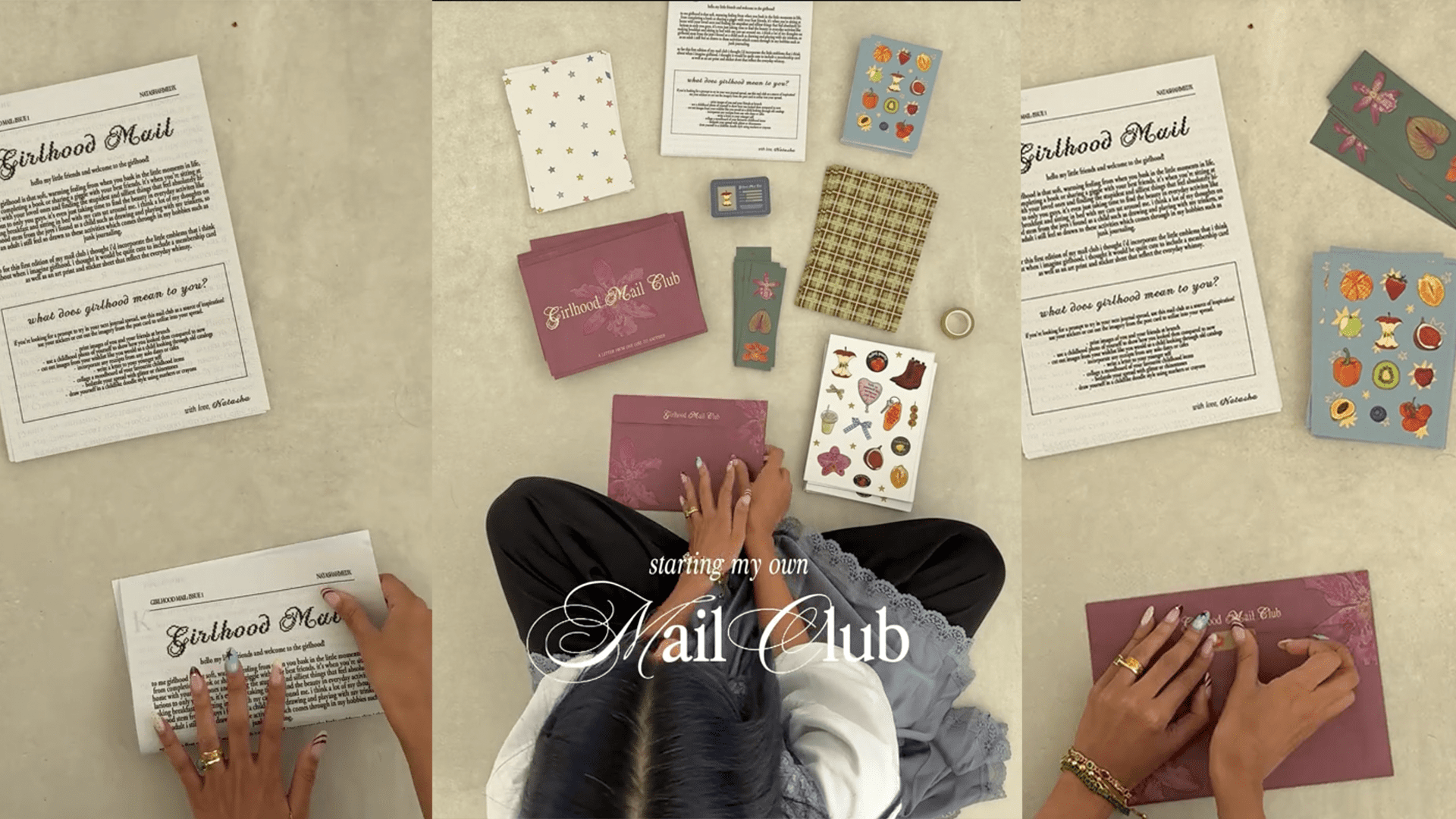
Snail mail is making a slow but steady return, and it is very much needed in a climate of hasty, on demand-content that requires immediate attention.
The cultural equivalent of a paperback in a sea of PDF, Snail Mail clubs see handwritten letters, curated postcards and themed mail swaps come to life – no longer niche hobbies reserved for craft fairs and stationery obsessives. They’ve become a full-blown trend made popular from Gen Z’s ironic flirtation with “grandma hobbies”. Clearly a coping mechanism for screen fatigue, algorithm burnout, and the general despair of endless scrolling.
Like every once-random trend that somehow becomes a TikTok staple, snail mail clubs tap into something deeper: real anticipation, real effort, and real connection without the likes, shares, and dopamine drip-feed required. Accounts like @bonatakhin on TikTok with his ‘Little Kitchen of Bo’ snail mail cook book club, sending themed snail mail from recipes to postcards, show that this isn’t just a quirky niche, it’s becoming its own immersive, shareable aesthetic.
And yes, the irony is unavoidable that we are discovering the joy of being offline…online. But maybe that’s the point. Just as slow brunch is the antidote to instant coffee culture, snail mail is a small act of rebellion against instant messaging.
Not everything needs to be fast, optimised, or monetised. That is the escar-goal if you will.
Finstas Are Football’s Real Feed
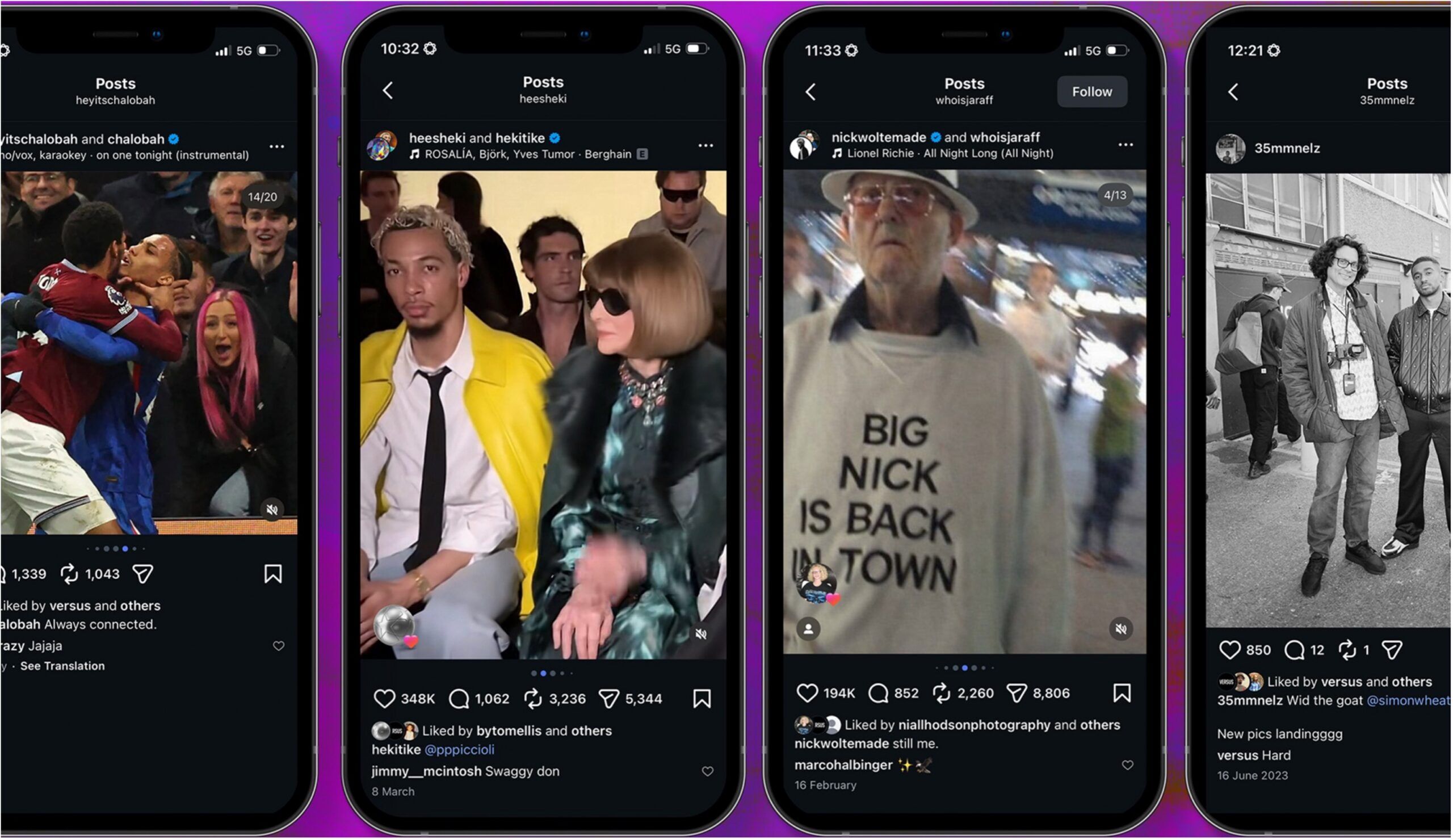
For a generation of footballers raised online, social media has become a space where fans, trolls and viewers shape the expectation of the public.
These expectations sit at the centre of the rise of footballer “finsta” accounts.
Finsta accounts are secondary Instagram accounts where players can post more freely, away from the polished, brand-heavy pressure of their main feeds. As the modern game has turned athletes into full-blown cultural assets, complete with PR teams and sponsorship obligations, their primary accounts have become increasingly commercial and, at times, impersonal.
Finstas offer an alternative, these accounts, which were initially private, friends-only, are now often public-facing spaces where players regain something rare: control. Whether it’s sharing fashion, music, photography or just chaotic photo dumps, these accounts offer a more unfiltered look at personality, echoing an earlier, less managed era of football social media.
Crucially, their appeal lies in that unpredictability. From Hugo Ekitiké’s meme-heavy posts to Reiss Nelson’s diary-style photography, finstas focus on genuine self-expression. That is exactly why they resonate, giving fans access to the person rather than just the player.
There is, however, a tension bubbling underneath it all. The more attention these accounts attract, the greater the risk that they become absorbed into the same commercial machine they were created to escape.
Back on the tin line

Do you remember those tangled cords? Arguing over who’s been on the phone too long? Guess what… the landline is back!
And leading the charge on cords and analog chit-chat? Well, if you expected this to be coming from Gen Z with a film camera and a tote bag, you’re entirely wrong. It is actually a new parenting strategy.The start-up Tin Can offers a retro-style mock landline phone, which is being purchased by parents of kids between 6 and 12 years old.
At the core of this Digital Detox, it is the intent of leaving children away from the distraction of screens and toxic algorithms from an early age. It is essentially a way of not having another generation of iPad kids or chronic scrollers. With this tactic, parents are choosing to let their kids be kids and keep them off social media, for as long as possible. (Because we know that’s inevitable)
This kind of reminds us of the simplicity behind the can phone game, where two cans and one string were enough to let our imagination believe that was real communication. No signal, no software, no upgrades.
This may be the whole point: when you had nothing, you made something. And creativity was at the center of it.
Supersteamers
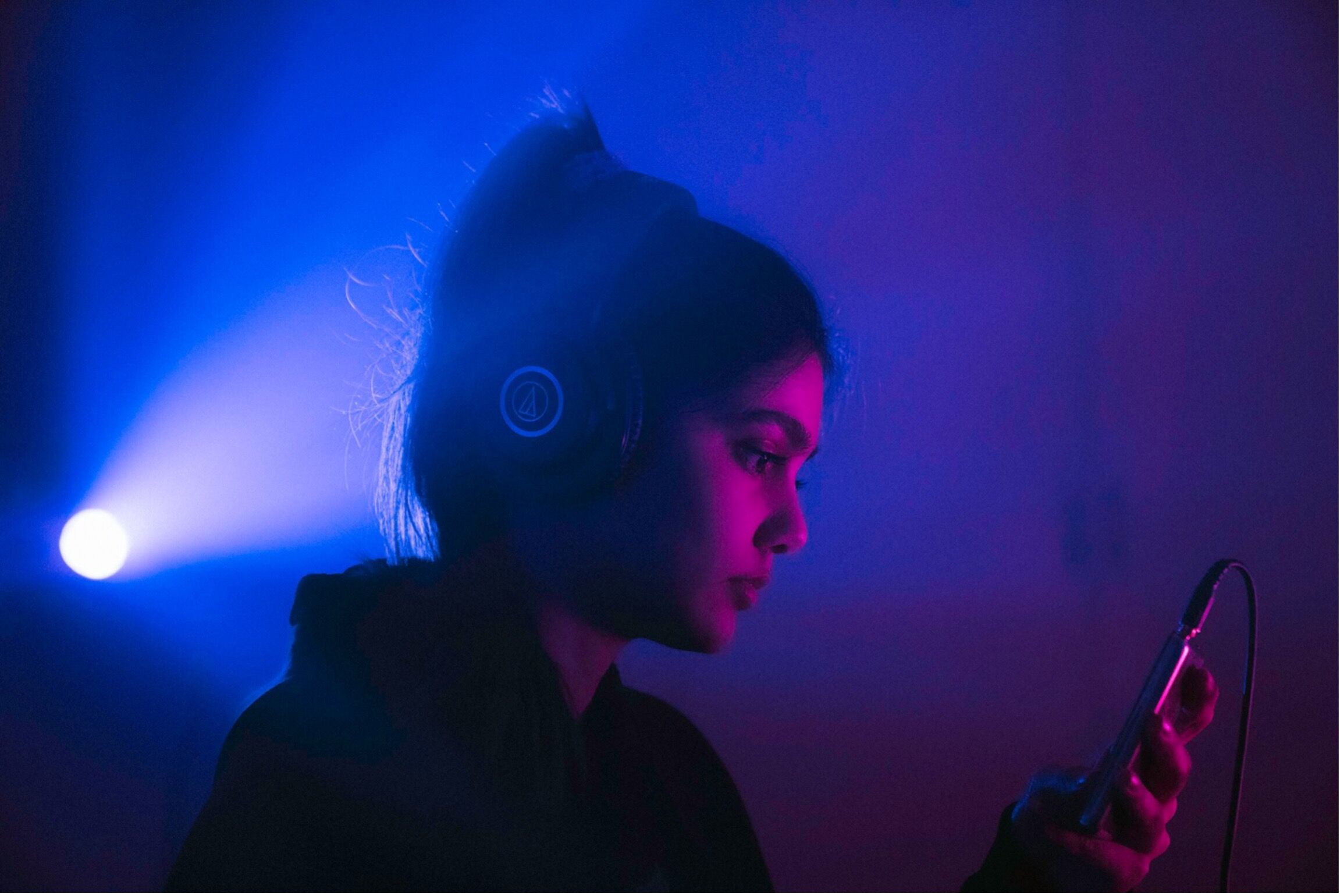
Streaming has plateaued, so now it’s turning to fans to grow again.
New data from Deloitte shows people aren’t really spending more on subscriptions, and they’re quick to cancel if prices creep up. But within that, one group stands out: fans. The ones who watch more, spend more, and actually stick around.
For years more content equated to more subscribers. But that’s starting to wear thin. When over half of people would drop their favourite platform over a small price jump, it’s clear most audiences aren’t that loyal. They’re just… there.
Fans are different. They don’t just watch something and move on. They get pulled in. They follow it across platforms, talk about it, build it into their routines. It becomes part of how they spend their time, not just something they scroll past.
And that’s where streaming platforms are being complacent.
Right now, discovery happens on social. Community lives on Reddit, TikTok, Discord. The actual platforms? They’re just where you go to press play. Once it’s over, people leave again.
But fandom doesn’t work like that. It doesn’t stop when the episode ends. It carries on – in conversations, theories, clips, rewatches, all the bits around the thing itself.
That’s the opportunity. Not more content, but a better experience around it. Helping people go deeper into what they already care about. Making it easier to stay, rather than giving them a reason to leave.
Getting people in is easy, keeping them is where it gets interesting.