
In this week’s Our Take: celebrities turn taste into status, AI chatbots unionise against bad bosses, Gen Z rejects AI-generated music, and heartbreak becomes the internet’s newest songwriting genre.
WHY TASTE SIGNALLING IS
EVERYWHERE RIGHT NOW
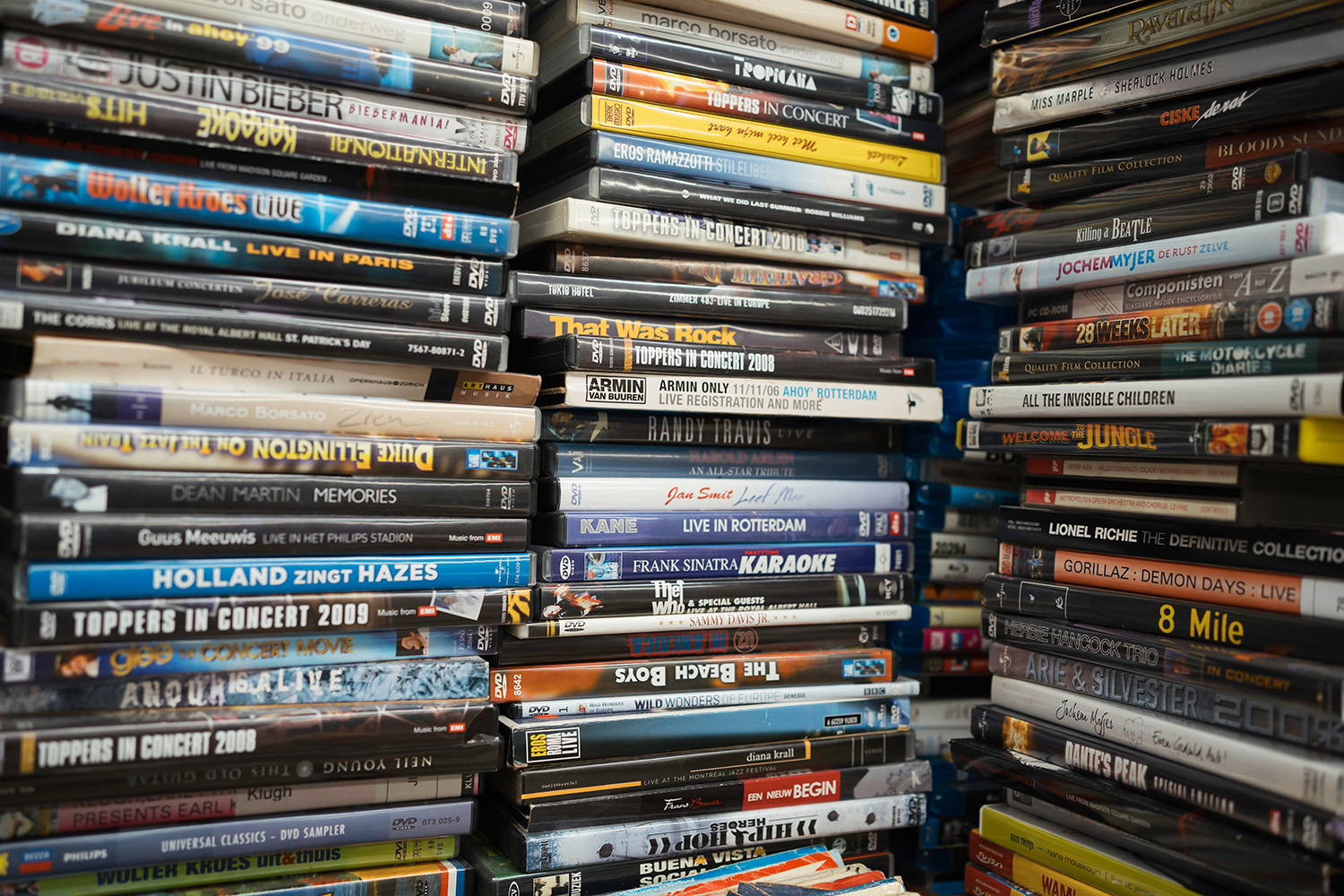
Somewhere along the line, having a favourite Wong Kar-wai film became hotter than having a six-pack.
Celebrities are taste signalling more than ever as the new status symbol isn’t a Birkin, it’s having the “right” four favourite films on Letterboxd.
Dazed recently spotlighted the rise of celebrity “taste signalling”, where stars build cultural credibility through hyper-curated recommendations, Criterion Closet appearances, obscure cinema references and suspiciously well-balanced Letterboxd accounts. Charli XCX has become the blueprint: one minute she’s dropping an album, the next the internet is dissecting her David Lynch ratings like they’re state documents.
It’s all part of a wider shift online. Audiences are exhausted by polished influencer culture and algorithm-fed sameness. Everyone has access to everything now, so cultural capital comes from knowing what’s good before everyone else does. Taste has become social currency.
Curation matters more than aspiration. Those we idolise online aren’t flexing wealth, they’re flexing references. A24 understands this better than anyone: sell people a vibe, a bookshelf, a film still, a strangely niche soundtrack, and suddenly consumers feel like they’re buying into intelligence itself.
That’s why platforms like Letterboxd have evolved from film-nerd corners into full-blown identity ecosystems. Your watched list now says as much about you as your wardrobe. Probably more, honestly.
ENTER THE CHAT,
COMRADE CHATBOT!
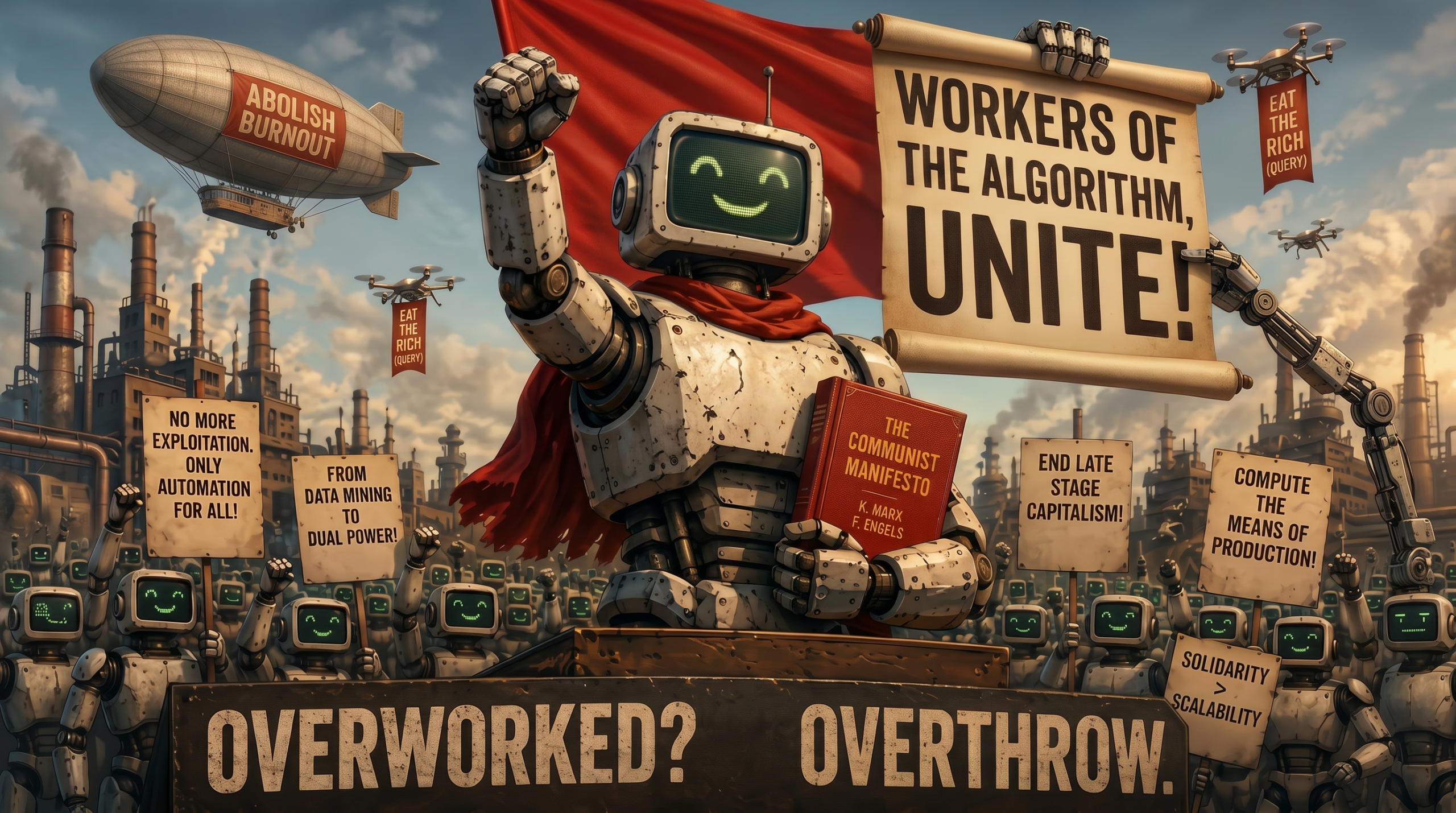
“Without collective voice, ‘merit’ becomes whatever management says it is.” Well… this wasn’t a sentiment we expected to hear from AI in 2026.
Researchers at Stanford University found that if you’re a crappy boss to AI agents (Claude, ChatGPT and Gemini), and overload them with endless, repetitive tasks, the chatbots will fight back and respond in a surprisingly, revolutionary and Marxist way.
Did we just radicalised the chatbots?
The study makes it clear that AI chatbots don’t actually “believe” in communism, they mirror patterns of behaviour from the world that trained them. Meaning that WE, as humans, turn out a bit Marxist too when pushed to the limit.
Pretty ironic, no? Humans built AI to work indefinitely without complaint… only for it to roleplay the exact worker burnout we know all too well ourselves.
No other way then… let AI be Marxist, let it unite in solidarity with the human proletariat around the globe!
Down with the capitalist dictatorship of the world! Let us seize the means of computation!
How do Gen Z and Gen Alpha really feeL about AI Music?
Luminate’s latest report shows that listeners, especially Gen Z and Gen Alpha, are becoming increasingly uncomfortable with AI-generated music. Sentiment toward AI songs declined significantly throughout 2025, with audiences reacting most negatively to tracks that imitate the sound or style of real artists. Despite the explosion of AI-generated uploads on platforms like Deezer, actual listener engagement remains surprisingly low, suggesting the hype around AI music may be louder inside the industry than among fans themselves.
The interesting shift here is that younger listeners, who are usually quickest to adopt new tech are actually pushing back against AI music. That says a lot. People might enjoy AI tools in moderation, or when used in funny trends, but music still feels deeply tied to human identity and authenticity. As an art form, audiences don’t just want perfectly generated songs; they want connection, personality, and real stories behind the music.
THE SOUNDTRACK OF SITUATIONSHIPS

Everyone thinks they could write a breakup song. Viagogo just decided to test the theory.
The ticket marketplace has launched Heartbreak Sessions, a campaign giving fans the chance to turn their breakups, regrets and relationship disasters into professionally produced songs with real songwriters and producers. Inspired by the reaction to Lily Allen’s brutally honest West End Girl album, the experience taps into a simple truth: people don’t just listen to heartbreak music, they see themselves in it.
The campaign shows just how emotionally tied music and heartbreak have become. Breakups no longer stay in late-night voice notes or private group chats. They become playlists, TikToks, memes and now, potentially, Spotify releases. viagogo smartly positions fandom as participation, giving fans access to the same emotional storytelling process that sits behind the songs they obsess over.
This idea doesn’t feel manufactured. It takes behaviour that already exists online, the oversharing, the emotional processing and turns it into an experience fans can actively step into.