
In this week’s Our Take: gamers keep shelling out, Gen X legends with some sound advice, making room for MySpace, and artists pollute AI’s soundbank.
GRAND THEFT TRAILER
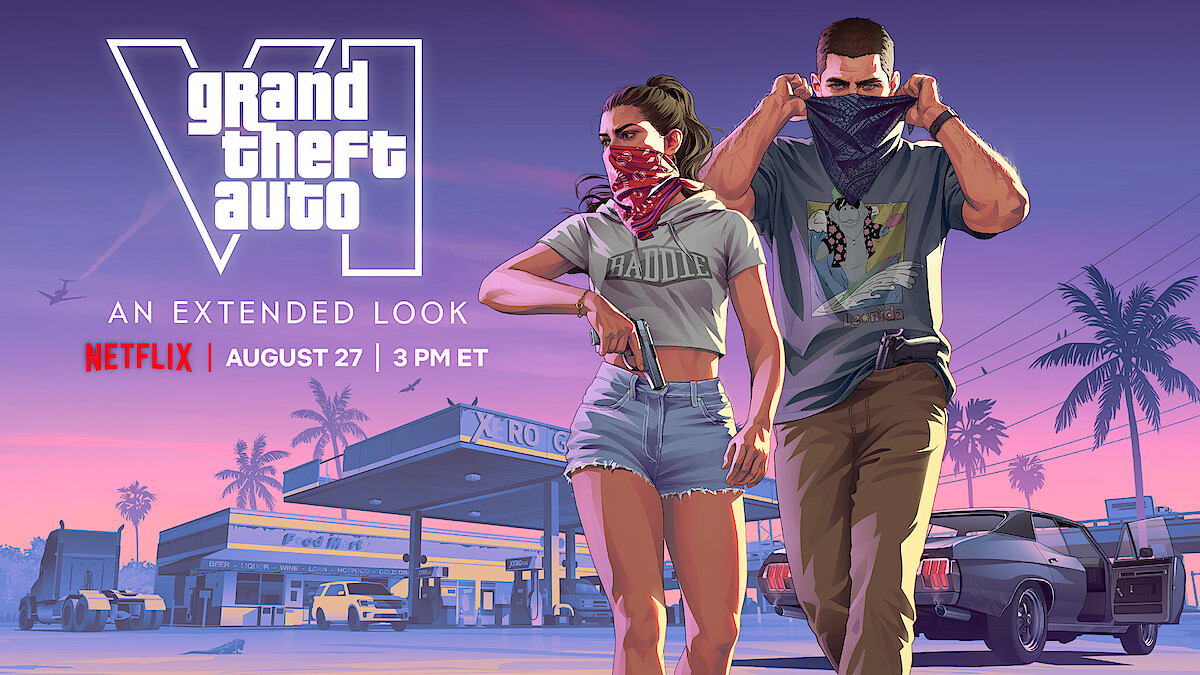
Apparently, having a Netflix subscription is now part of the GTA VI experience.
On 27 August, Rockstar will release “GTA VI: An Extended Look” exclusively on Netflix (for six whole hours) before it lands on YouTube for everyone else. Take-Two calls it a “first-of-its-kind partnership” and says it’s only the beginning of Rockstar’s marketing strategies.
And we have to admit, it is a clever bit of marketing.
Netflix gets to be part of one of the biggest games ever, while Rockstar turns a trailer into an event – because you know the whole internet will spend those six hours talking about it.
But fans aren’t really happy.
The Netflix deal comes at a time when GTA VI is already getting backlash over the high price of the game itself: the €80 standard price edition, the €100 Ultimate Edition, and “physical” copies that reportedly come with no actual disc.
But the backlash doesn’t seem to be stopping anyone. Take-Two’s CEO Strauss Zelnick said that the €100 Ultimate Edition is actually outselling the Standard Edition in pre-orders!
So maybe the discussion isn’t whether people like these moves. It’s whether they care enough to stop buying.
HEAR FOR A GOOD TIME
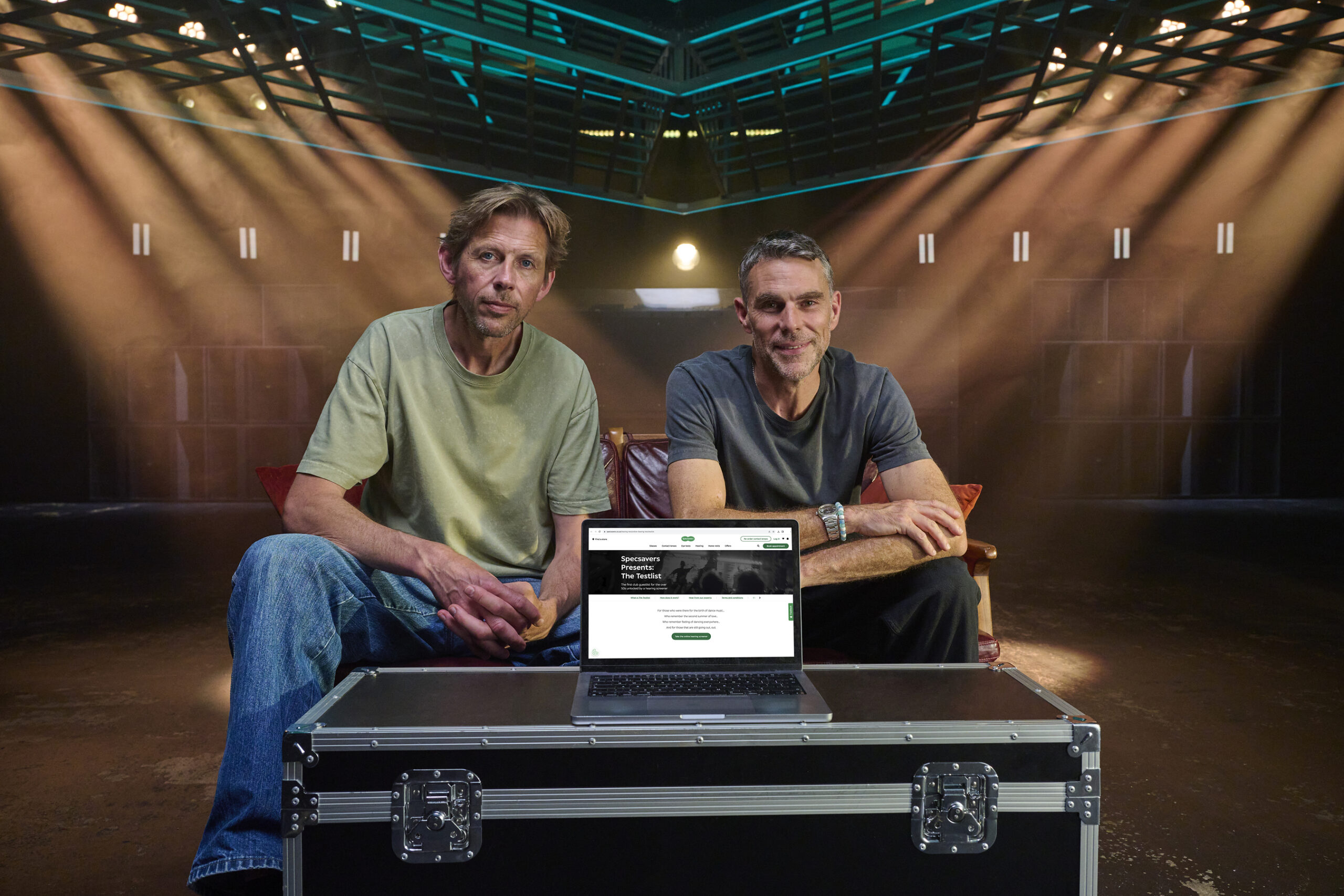
Hearing tests and club nights aren’t the most obvious pairing, but Specsavers has found a pretty convincing reason to put the two together.
The brand has launched ‘The Testlist’, a series of club nights for over-50s where entry is unlocked by completing a free three-minute hearing check. Groove Armada will headline the first event at London’s Phonox, marking 25 years since Superstylin’.
It’s a clever reframe of something that can easily feel like another reminder of getting older. Specsavers is meeting its audience through the culture they helped create based on the insight that nearly three-quarters of over-50s still attend live music events, while one in five say hearing difficulties have already caused them to cut back on nights out.
Rather than telling this generation they should get their hearing checked because of their age, Specsavers gives them a much better reason: so they can keep doing something they love.
Nostalgia has become a familiar shortcut for brands looking to connect with audiences, but this works because it isn’t simply borrowing the look and sound of another era. Groove Armada, rave culture and clubbing are genuinely part of this audience’s story, and clearly still part of their present. By taking a functional health message and finding its place in culture, Specsavers recognises that the generation who built the rave still wants to hear it.
TOM, OLD FRIEND, COME SAVE US
For some of us, Myspace was slightly before our time. So hearing that it could be making a comeback launched a bit of research into what exactly we missed.
At one point, Myspace was more visited than Google. You could customise your profile, choose a song to play when someone landed on your page and, brutally, rank your friends in a public top 8. And Myspace had some serious cultural pull too, becoming an early home for music discovery and helping build the buzz around artists like Adele and Arctic Monkeys before Spotify or TikTok were around to do the job.
Tom was everyone’s automatic first friend, and people are now begging in his Instagram comments for him to come back and save social media.
With our modern social feeds chock-full of ads, influencers, and sponsored posts, we can see the appeal of something more personalised and authentic.
But then there’s the question of brands. The lack of an algorithm is part of what people are nostalgic for, but social strategist Alex Mills points out it was also “the thing that killed it”. Without an algorithm constantly serving us new content, where do brands fit in?
Maybe, at first, they don’t.
We would love to see how businesses personalise their page and the thoughts of big brands having a profile song and their top 8 best friends is intruiging. But does it go against the very thing we are trying to escape? If people want Myspace as an escape from branded content, brands flocking over to myspace defeats the point. And if MySpace introduces the algorithms and commercial content needed to make it work in 2026, does it just become another Instagram or TikTok?
Maybe you can bring back Myspace, but bringing back the side of the internet people miss might be much harder.
ANTI BANGERS
It’s easy to think of AI as a tool that makes creative work faster or more efficient. But as it increasingly enters art, cinema and music, a bigger question is emerging: what happens to the human creativity behind the work?
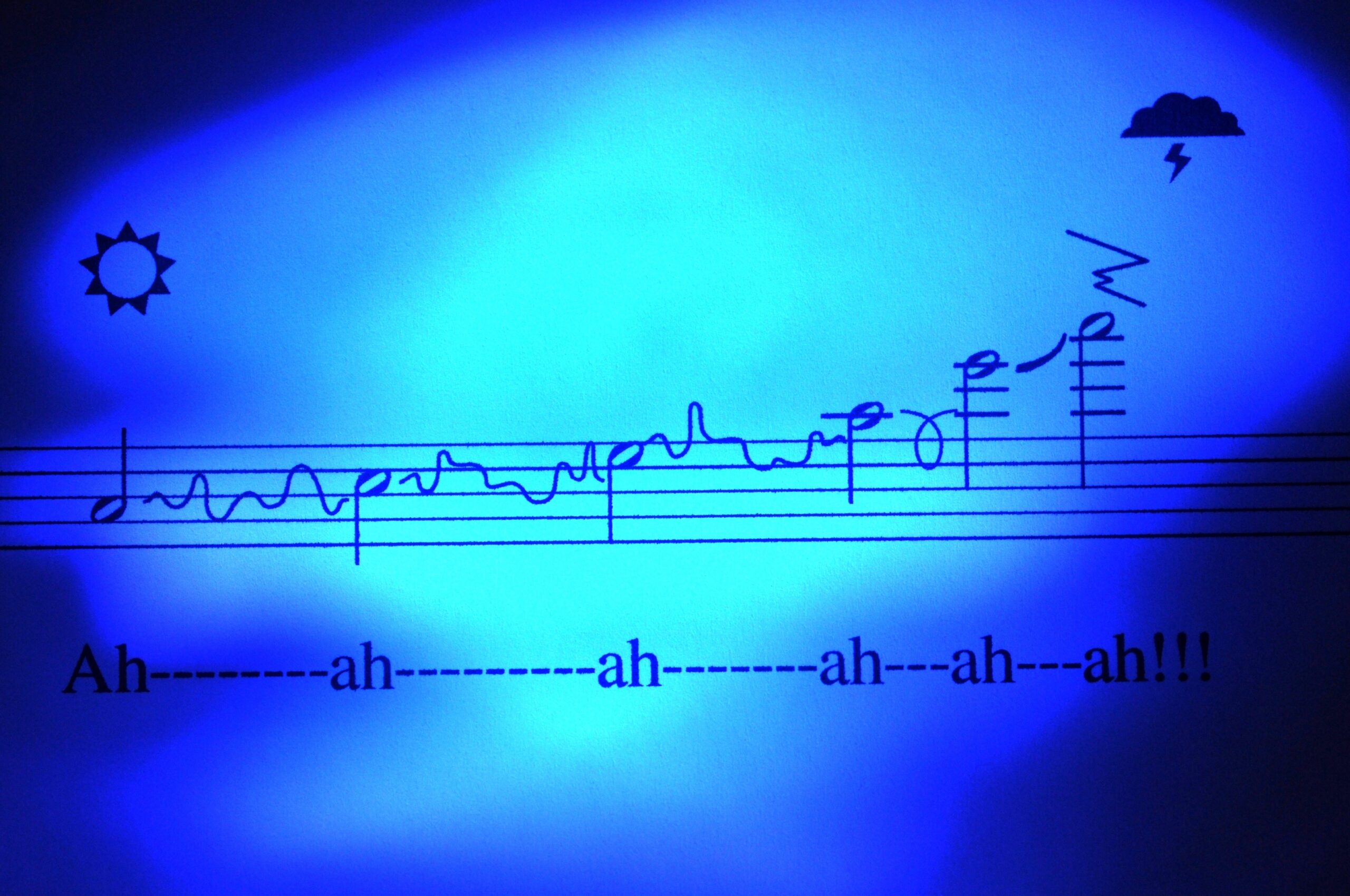
Artists are beginning to push back, not necessarily by rejecting AI, but by using creativity as a form of resistance. American artist MattstaGraham has taken to releasing “anti-bangers”, deliberately unbearable tracks designed to act as data poison, infiltrating AI training datasets and disrupting the systems learning from them.
UK rapper Readey takes a very different approach, putting AI at the centre of the story. His latest music video follows a seemingly conscious AI questioning humanity, reality and identity, turning the technology from a tool into the protagonist.
One side is poisoning the machine, the other is giving it a voice, showing that while AI can be a powerful creative tool, the human thinking and creative labour behind the idea remain the parts that cannot be replicated so easily.
Perhaps that’s the most interesting contradiction. The more AI tries to replicate creativity, the more artists are using creativity to question what AI actually means. Both artists suggest that the future of creativity may not be about choosing between humans and AI, but about using one to challenge the other.