
In this week’s Our Take: greenwashing and EV myths, earbuds as jewellery, credible brand ambassadorship, and the messy realities of family relationships.
I Can See Right Through Your ‘Green’ Car
We live in a culture obsessed with optics. Clean, shiny, perfect solutions dominate the conversation on sustainability, but reality is always messier.
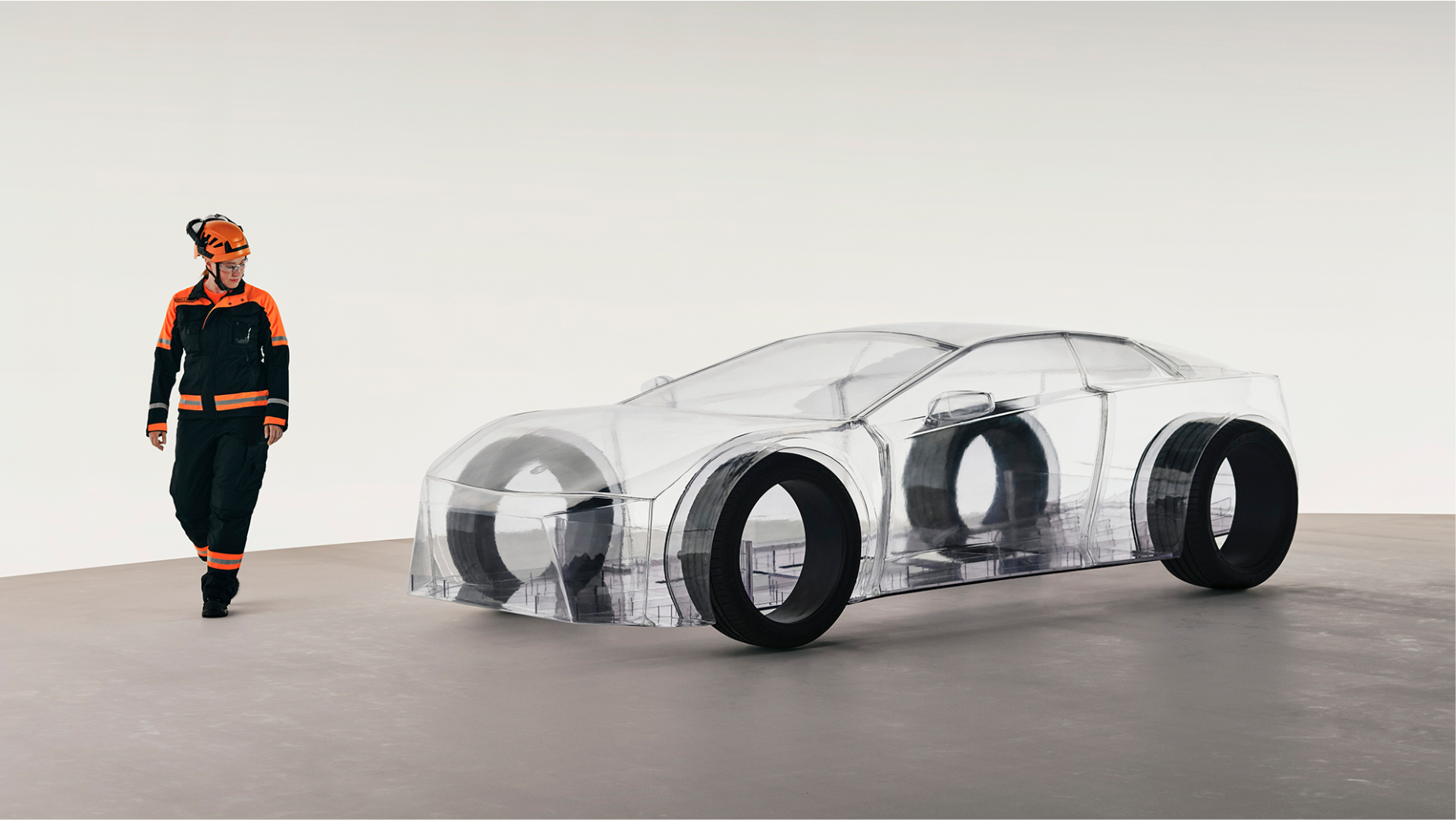
Meet the electric car you can see right through and that literally goes nowhere. No battery. No motor. No movement. Just vibes and a very uncomfortable truth.
And that truth is? Over 90 percent of an EV is made from mined materials, and they require roughly six times more minerals than traditional cars. Take out lithium, copper, nickel and cobalt and you do not get a cleaner car. You get no car at all.
Sandvik and BBDO Nordics built the eNimon, the world’s first EV made without mined materials. A transparent shell that cannot function. Its brilliance is in the simplicity. It shows that things are rarely what they seem and that optics can be very different from reality. The bigger lesson is cultural. We are being sold a golden version of sustainability, but beneath the surface it is messy and complicated. For many solutions, one trade-off leads to another, and what looks like progress can sometimes make things worse.
NEVER MIND THE AUDIO, SEE THE SPARKLE
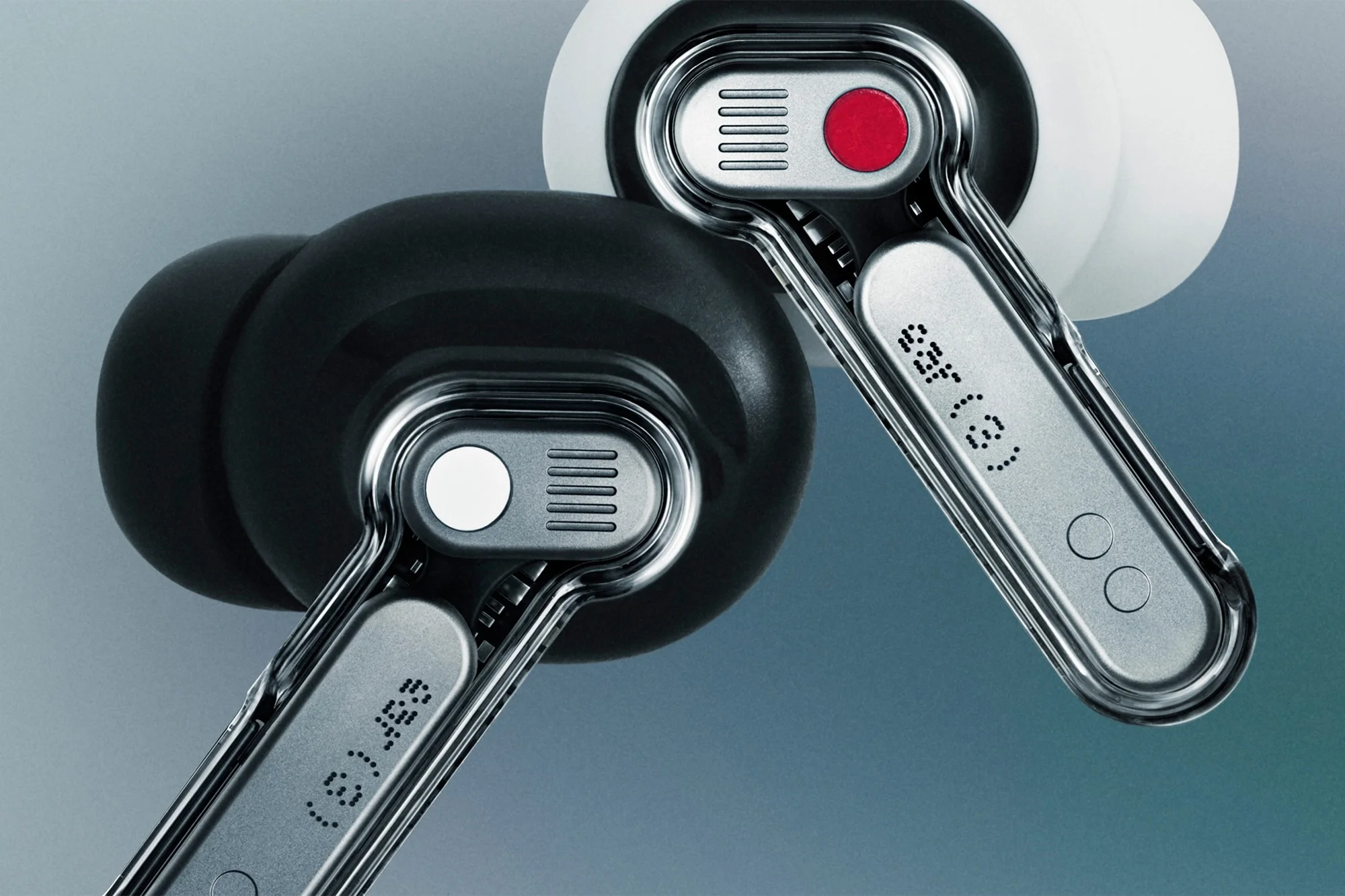
Nothing’s Ear (3) campaign is doing what few tech launches manage: making earbuds feel like jewellery you can wear in your ears. Gone are the days when personal audio was all black rectangles and spec sheets; these pods sparkle, literally and culturally, as objects of desire. Shot like luxury skincare, framed like editorial jewellery, the Ear (3) is a mood and a signal, a tiny handheld identity crisis you willingly sign up for.
What Nothing has done is lean into a cultural shift that’s been quietly unfolding for years: the erosion of categories. Tech meets fashion, gadgets flirt with beauty, and we now covet objects for their aesthetic alchemy as much as their utility. Wearing them signals taste, self-awareness, and maybe a hint of techno-vanity, all without a single spec mentioned.
The campaign centres on the senses, a framework that translates four core product features into something more emotional and human. Audio quality becomes hear, aluminium materials become feel, transparency becomes see, and the mic becomes speak, moving the product away from technical specification and closer to lived experience.
It’s also a sly wink at our Instagram-conditioned eyes: if it isn’t photogenic, does it even exist? By borrowing the visual grammar of beauty campaigns, Nothing taps into desire at the micro-level, turning small tech into a lifestyle accessory that feels intimate, tactile, and yes, a little indulgent.
In short: earbuds are no longer just tools – they’re tiny sculptures, vanity objects, and conversation starters. And if you’re anything like us, you’ll be willing to spend just as much time admiring them as you do actually listening to music.
Jacquemus and the Power of Credible Ambassadorship
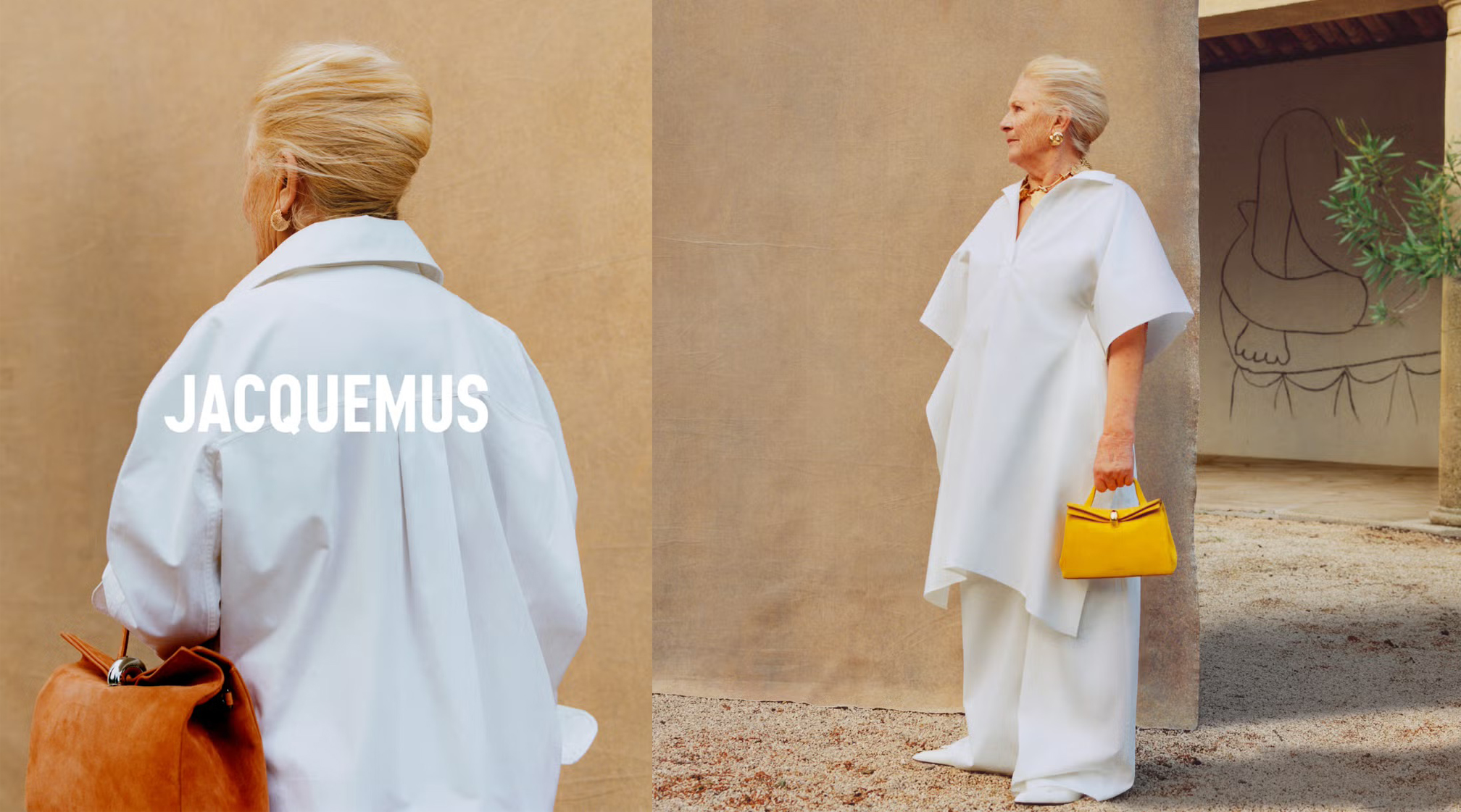
For the first time in its history, Jacquemus – the Paris-based fashion house founded by Simon Porte Jacquemus – has appointed a brand ambassador. Instead of a celebrity or influencer, it’s his grandmother, Liline. Simon has said, “Before anything, there was her. The original icon.” He credits her strength, elegance, and authenticity as the guiding force behind his vision of femininity and the Maison itself.
It’s a smart move because it’s credible. Liline isn’t being used to generate reach or relevance, she represents the origin of the brand itself. In an industry where ambassadorships are often short-term and transactional, Jacquemus reframes the role as something personal and permanent.
That intent is made explicit in the brand’s tongue-in-cheek manifesto. “She is not a trend, she is a commitment,” it states, alongside rules like “The ambassador must not use the word ‘brand’ and must instead say ‘family’” and “comfort is conceptual.” Behind the humour is a clear signal of how tightly Jacquemus defines and protects its world.
From a marketing perspective, what’s interesting is how little this relies on scale or amplification. The story travels because it’s specific, rooted in truth and difficult to replicate without feeling forced. It doesn’t borrow cultural capital – it asserts its own.
The takeaway for brands is simple: differentiation doesn’t always come from bigger names or louder partnerships. Sometimes the strongest move is to look inward, identify what genuinely defines you, and commit to it fully.
Dating Your In-Laws – Navigating Relationships When You Aren’t Fond of Their Fam

Tragically, not all of us are lucky enough to be born billionaires. But most of us have suffered the cursed experience of falling for someone whose family makes you want to crawl into a dark room and stare at the ceiling for three or four business days straight.
Enter Nicola Peltz. Say what you want about the billionaire nepo-baby, but having public beef with your in-laws when they’re also global icons? That’s a special kind of personal hell. Sure, most of us aren’t dealing with Beckhams-level family tension, but meeting your partner’s family is always a gamble. Sometimes you just don’t click and sometimes it’s so much worse.
While everyone’s busy debating what moves Posh was breaking down over on the dancefloor at the now-infamous Beckham-Peltz wedding (and if anyone has video evidence, our DMs are open), it does raise a bigger question: in the world of modern dating, where calling out people’s b*llshit is practically encouraged, is it worth pissing off your in-laws just to protect your own sanity?
This is not just tabloid fodder, social scientists and therapists actually have major thoughts on the topic. Conflict with in-laws often boils down to boundary invasions, unsolicited advice, and clashes between family expectations and couple autonomy, which all link to lower relationship satisfaction and a ton of emotional stress when left unresolved.
Studies have found that when extended family repeatedly overstep or disagree with a couple’s decisions, it can chip away at confidence in the relationship itself and crank up stress for both partners. Generational gaps in values, communication styles, and cultural norms routinely spark misunderstandings that feel like personal attacks, but aren’t always about you. Family drama often comes down to misaligned expectations, loyalty conflicts, and badly negotiated boundaries.
This problem is ancient. Universal. Practically a rite of passage and it usually only rears its ugly head once you’ve found someone worth putting up with a bit of nonsense for. We’ve seen how messy it can get in the public eye with Harry and Meghan, so maybe we can count ourselves lucky that most of our family drama doesn’t make headlines.
It’s not your job to diagnose or fix decades of chaotic family dynamics. The smarter move might be to figure out what you can tolerate, what you absolutely can’t, and how to minimise exposure to the worst of it.
Because, at the end of the day, the best love is worth fighting for. Just maybe don’t let Marc Anthony DJ at your wedding.