
In this week’s Our Take: The class ceiling in publishing, pint-powered ponytails, the Temu Range Rover, and the internet’s growing obsession with getting its hands dirty.
What’s The Story?

Publishing loves a gritty working-class story, so you’d think working class writers are swamped with work right? Guess again…
This contradiction sits at the heart of Bread Alone: What Happens When We Run Out of Working-Class Writers?, a new anthology edited by Kate Pasola. Bringing together essays from 33 contributors, the book explores how class continues to shape who gets through the door in the creative industries and who remains shut out.
Despite growing conversations around diversity, the so-called “class ceiling” still looms large across publishing and journalism, where unpaid internship and precarious freelance work can make entry particularly difficult for writers from working-class backgrounds. Pasola and her contributors argue that the consequence is an industry that often tells working-class stories without giving working-class writers the space to tell them themselves.
By putting those voices front and centre, Bread Alone is interrogating the barriers and trying to break through them.
Because if the class ceiling remains firmly in place, our cultural landscape grows narrower, quieter and far less reflective of the lives most people actually live.
The Pint-Powered Ponytail
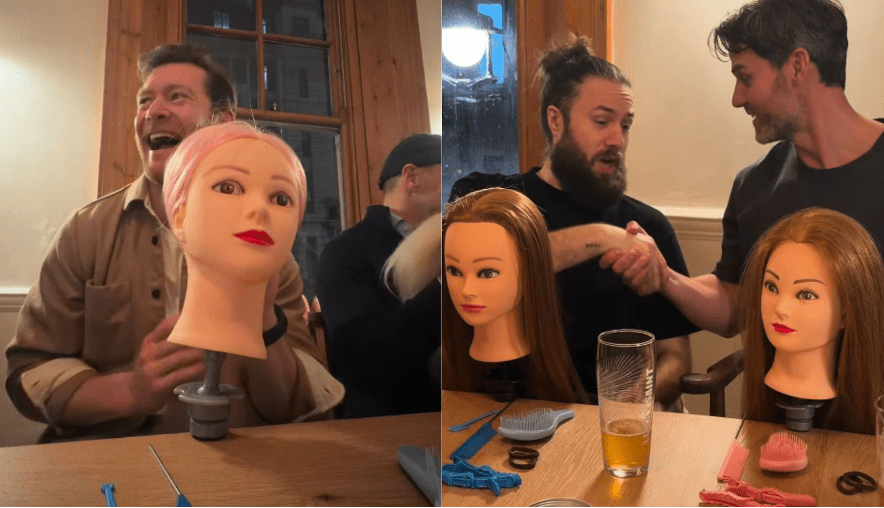
The UK podcast ‘Secret Life Of Dads’ hosted its first live event recently, Pints & Ponytails, and we along with the whole internet are loving it. The premise was simple, dads gather in a pub to learn how to braid their children’s hair. A pint on the table, hair ties in hand, practising French braids and fishtails.
What resonated online is not only the novelty but what it represents. The expectations around fatherhood have shifted, but the cultural scripts haven’t quite caught up. Dads are no longer occasional assistants in family life, they are expected to handle the everyday logistics of care. That includes the small, precise rituals that used to be coded as maternal territory such as packing lunches, managing school mornings, and tying hair.
The pub setting matters. It reframes the exercise away from a parenting seminar style and into something closer to peer learning. Skill-sharing rather than self-improvement.
There’s a faint irony to all the joy and applause in response to the workshop. Women have been performing these quiet rituals, largely unremarked upon, for generations.
Still, if it takes a pint to entice men into mastering the morning ponytail, the same ponytail mammies have been doing unrewarded for centuries, we suppose it’s better than nothing.
TEMU Range Rover

We love a dupe as much as the next person. TikTok has spent the last few years turning designer handbags, skincare and furniture into a giant game of ‘find the cheaper version’.
Now it seems no industry is immune. The car market has its latest dupe.
Chinese brand Omoda used London Fashion Week to launch its new SUV with a very suspiciously Kate Moss-esque model and the line: “I’m not a supermodel, but this car is.”
The brand has already drawn comparisons to Range Rover – despite retailing at roughly half the price – earning it the nickname “Temu Range Rover.” (Though you do wonder if someone in a Range Rover boardroom coined that one). Rather than shy away from the comparison, the Chinese challenger brand leans into it.
Dupe culture has flipped luxury on its head and we’re here for it.
Niche Hobbies Are Getting… Nicher
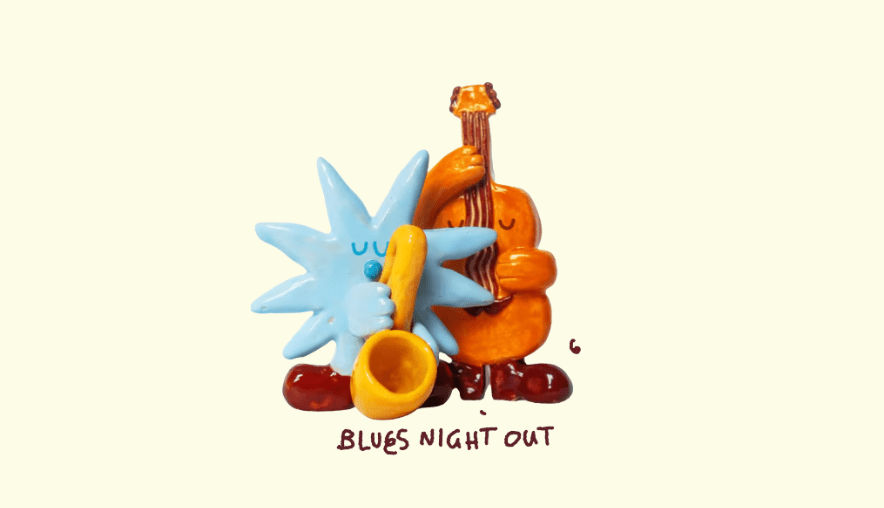
Hands are getting dirty again. Paint, sawdust, clay – hobbies that require actual materials are quietly having a moment.
Last week we talked about the revival of knitting and other so-called “grandma hobbies”. But the craft renaissance is getting increasingly niche.
During a particularly productive Tuesday doom-scroll we landed on Don’t Panic I’m Ceramic – a project creating motion pictures using handmade ceramic sculptures. Each movement is built frame by frame using individually sculpted pieces, turning pottery into something closer to stop-frame animation.
It’s meticulous, slow and oddly hypnotic.
What makes it interesting is how perfectly it sits between two worlds. The craft itself is deeply analogue – clay, glaze, kiln, patience. But the final product is designed for the internet: looping, satisfying and endlessly shareable.
It’s interesting to see how the internet’s endless reams of content is pushing people toward slower, more tactile hobbies – but it’s also becoming the gallery for them.
Turns out the new frontier of digital content might just start with getting your hands a bit dirty.