
In this week’s Our Take: An extraordinary bus gets stopped, an app gives fast messaging the bird, pinterest predicts sportswear, and how religion could divide us. Again.
Bureaucracy Beats Brand’s Bus
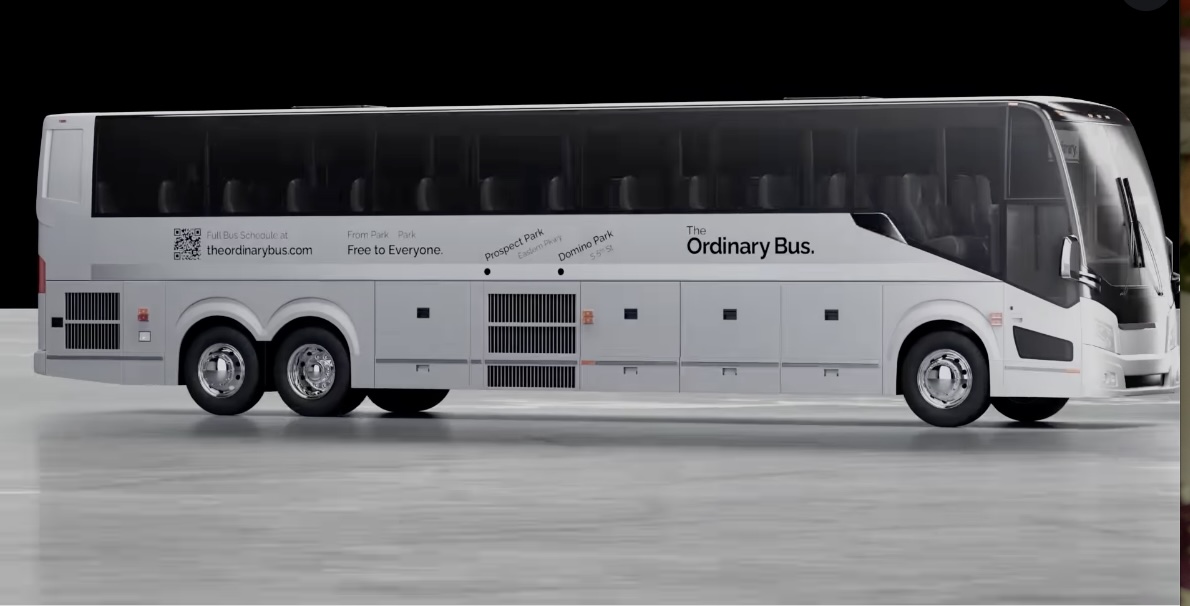
Skincare brand The Ordinary, known for its transparency and commitment to affordability, launched a free branded bus in Brooklyn after identifying the lack of a simple, direct connection between Williamsburg and Prospect Park. The idea was to extend the brand’s focus on simplicity and accessibility beyond skincare into everyday city life.
For a few days, the bus ran and did exactly what it set out to do: move people easily between the two areas and turn a local inconvenience into some welcome brand attention and, it turns out, some unwelcome political attention.
The project was cut short when city authorities stepped in and shut down the service over permit issues. (After all, you can’t have brands fixing real world problems for free! They should stick to making our skin look better!)
But did it work? In part. It successfully highlighted a genuine urban problem and translated brand values into something physical and useful. But it also showed the limits of brand-led “fixes” when they enter the real world, where city rules and approvals kick in.
SOMETHING TO CROW ABOUT

In a world of instant everything, someone had the audacity to bring back a slow, obsolete technology we didn’t know we missed. Carrier pigeons.
Roost is a messaging app where messages travel between users by virtual bird, arriving at the speed of whichever one you choose to send them. Pick a swift and your note might arrive in minutes. Pick something more leisurely – like a kiwi – and your words take their time. Every delivery flies a real route across a real map, and you can track your bird as it goes: see where it is, how far it’s come, when it’s landing. And sending is also limited by the number of birds in your rookery – if they’re all out on flights, you wait until one returns. Your rookery can grow to include everything from New York Pigeons to rare cardinals to mythical phoenixes, each with a speed based on real-world equivalents.
The result is something that shouldn’t work but does: a messaging app that’s also a hobby.
Roost’s sudden, unexpected growth brought some headaches. The bird illustrations the app used were AI-generated – a pragmatic shortcut for someone building a hobby project – but when the user base exploded, people noticed, and the pushback came quickly.
What made the developer’s response stand out is how genuinely human it is. He wrote: “Fair criticism. Roost was a hobby project I was making for me and some friends… We grew way faster than I ever thought, but now we have users(!!!), I’d like to come at this ethically by putting money back in toward replacing assets with community contribution. I didn’t expect an audience to be accountable to, but you’re here now, and I’m trying to rise to that occasion. Just a little shellshocked tbh.”
Community art submissions began arriving almost immediately, with artists, as one commenter noted, “literally lining up to draw your birds for you, for free.” So the messenger birds are getting a makeover, and the app’s community keeps growing.
Fly, little app, fly.
PINTEREST PREDICTS SUMMER ’26
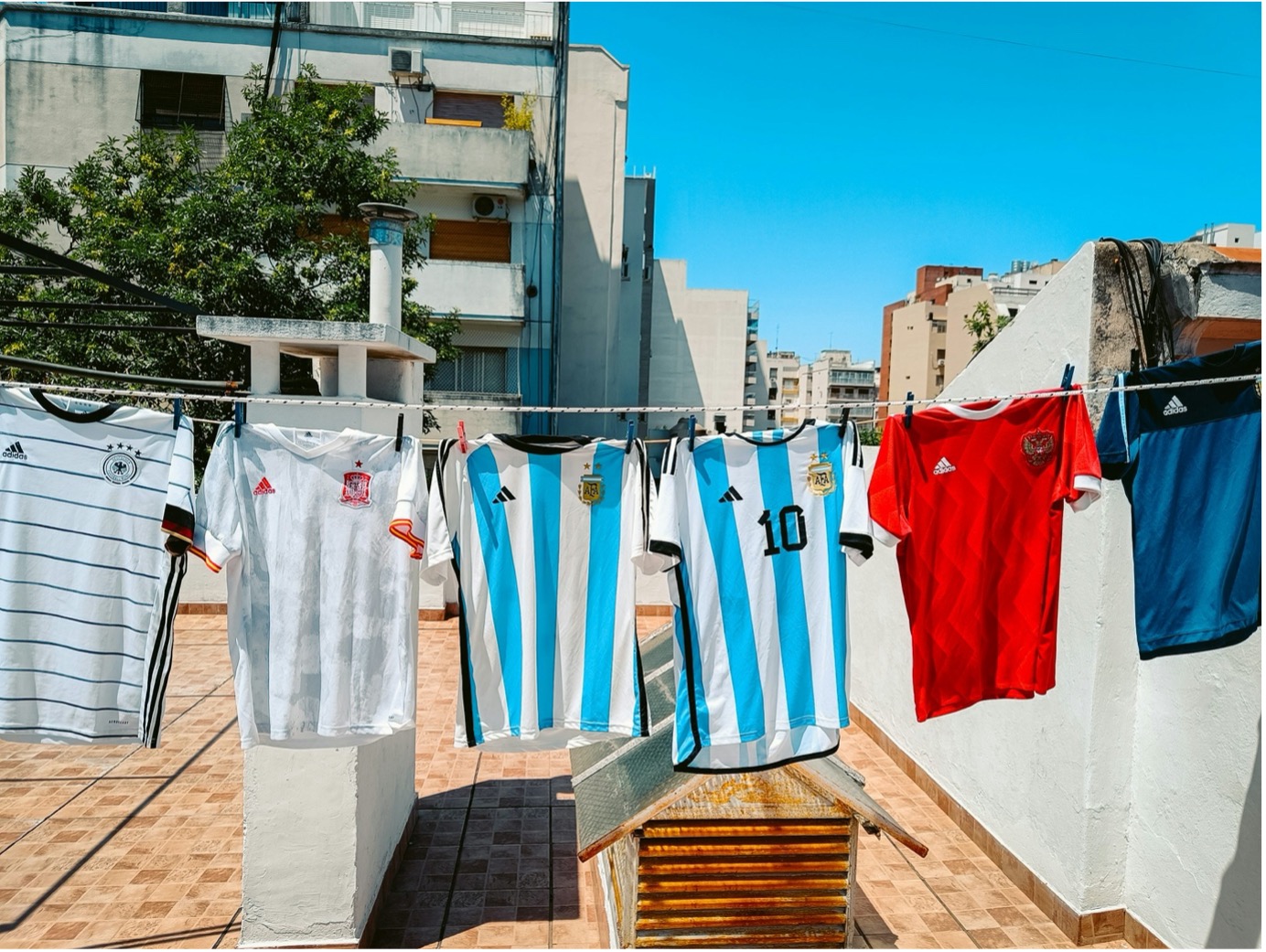
Football shirts are fashion. Sweat-proof beauty is booming. And apparently, sport has become one of the biggest influences on personal style.
That’s according to Pinterest’s Summer 2026 Trend Report, which reveals a growing appetite for sport-inspired fashion, practical beauty routines and community-driven hobbies. Among the standout findings: sporty denim and football-inspired style are on the rise, performance-focused beauty is gaining traction, and consumers are increasingly looking for products that fit around active lifestyles rather than the other way around.
But the most interesting takeaway isn’t what people are wearing. It’s why.
Pinterest suggests we’re entering an era where participation is becoming more aspirational than aesthetics. For years, identity was largely visual. Curate the feed. Build the aesthetic. Look the part. Now, people seem more interested in belonging to something than simply being seen.
The clothes, the beauty trends and the products are simply following wherever those communities go.
And for now, they’re joining sports clubs.
A NEW HOLY SHOW
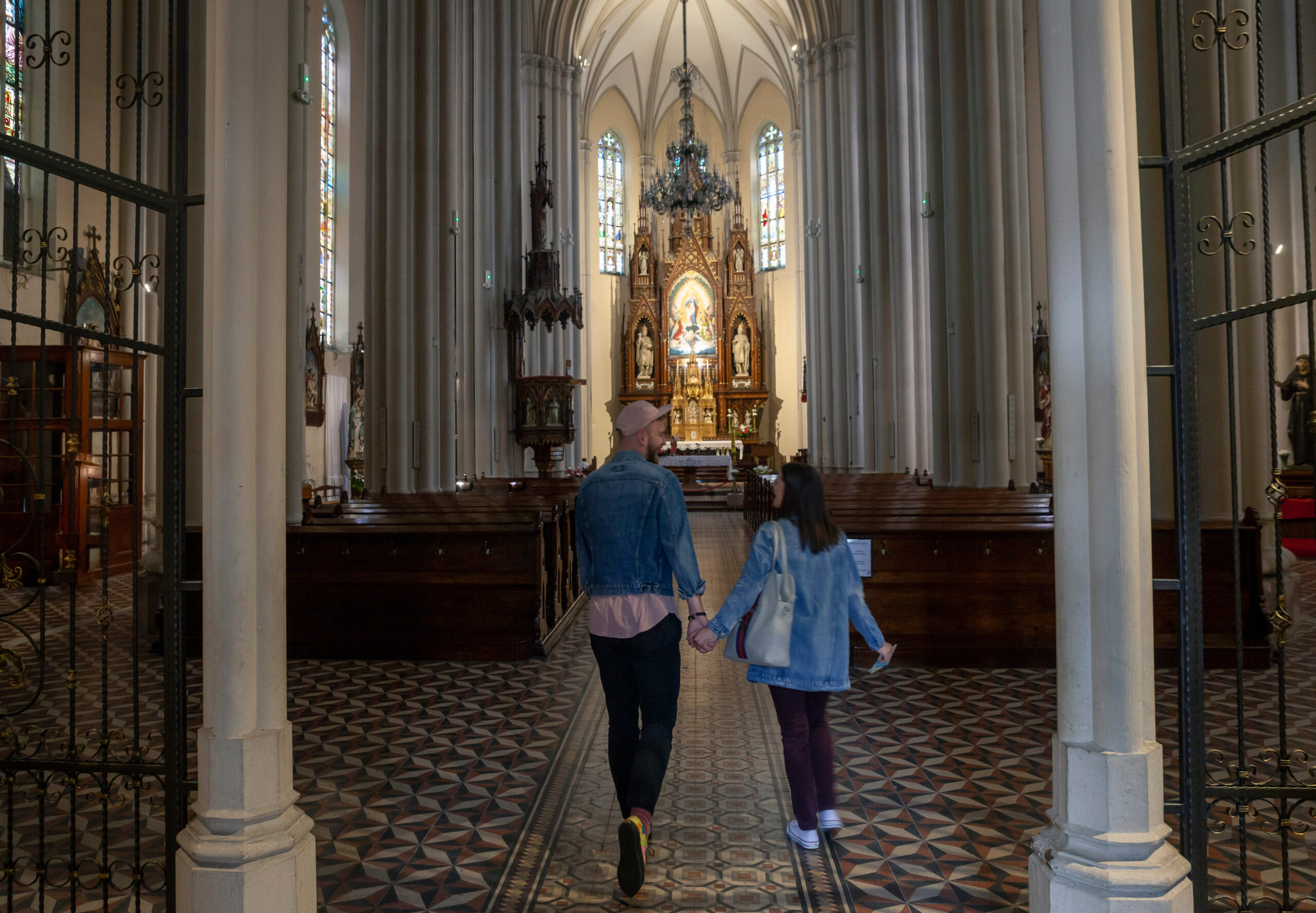
For years, Ireland’s relationship with religion has been treated like a foregone conclusion. Church attendance down. Religious affiliation down. Secularisation marching steadily onwards. Case closed.
Except, apparently, not.
A new report commissioned by the Irish Catholic Bishops’ Conference has uncovered something unexpected: young people are getting more religious. Not in overwhelming numbers, and certainly not enough to have parish priests ordering extra communion wafers just yet, but enough to disrupt one of Ireland’s favourite assumptions.
For a generation supposedly devoted to astrology, manifestation journals and asking ChatGPT for life advice, some are finding their way back to organised religion.
Perhaps we shouldn’t be surprised. Gen Z has spent the last decade collecting communities wherever it can find them. Running clubs became the new nightclub. Cold plunges became a personality trait. Matcha became a belief system. In a culture obsessed with finding meaning, belonging and routine, religion suddenly finds itself competing in a category that’s unexpectedly back in fashion.
What’s particularly interesting isn’t the rise itself – it’s the polarisation. The report suggests Ireland isn’t becoming more religious so much as more divided. The cultural Catholic who attends a wedding, a funeral and maybe Christmas Eve Mass is becoming an endangered species. Increasingly, people are making an active choice either towards faith or away from it.
And in a country where people increasingly trust influencers, podcasts and strangers on Reddit to guide life’s biggest decisions, perhaps believing in something bigger than yourself isn’t the most surprising trend of 2026 after all.