
In this week’s Our Take: a VHS-only film release rewinds the clock, Phoebe Bridgers puts phones in pouches, tiny electric cars become Twitch stars, and Cash App commercialises a viral wand joke.
REWIND AGAINST THE MACHINE

If the world is ending soon, at least Robert dos Santos is making us rewind before it does.
The South African director is giving his film (appropriately called This is How the World Ends) a VHS-first release as a BIG middle finger to AI and to our obsession with instant consumption and short attention spans.
Want to watch it? Great! First, find a VCR… Goodluck (but do tell us if you find it please! We want to watch it as well).
Will this bring back VHS? Not really, most of us don’t even know where our HDMI cables are.
But that’s kind of what makes it so refreshing. In a world where everything is designed to be faster and easier, choosing a very inconvenient format feels actually quite rebellious. Just you, a chunky plastic cassette and a dusty machine older than most TikTok users.
Phoebe Bridgers wants you to get off that phone of yours
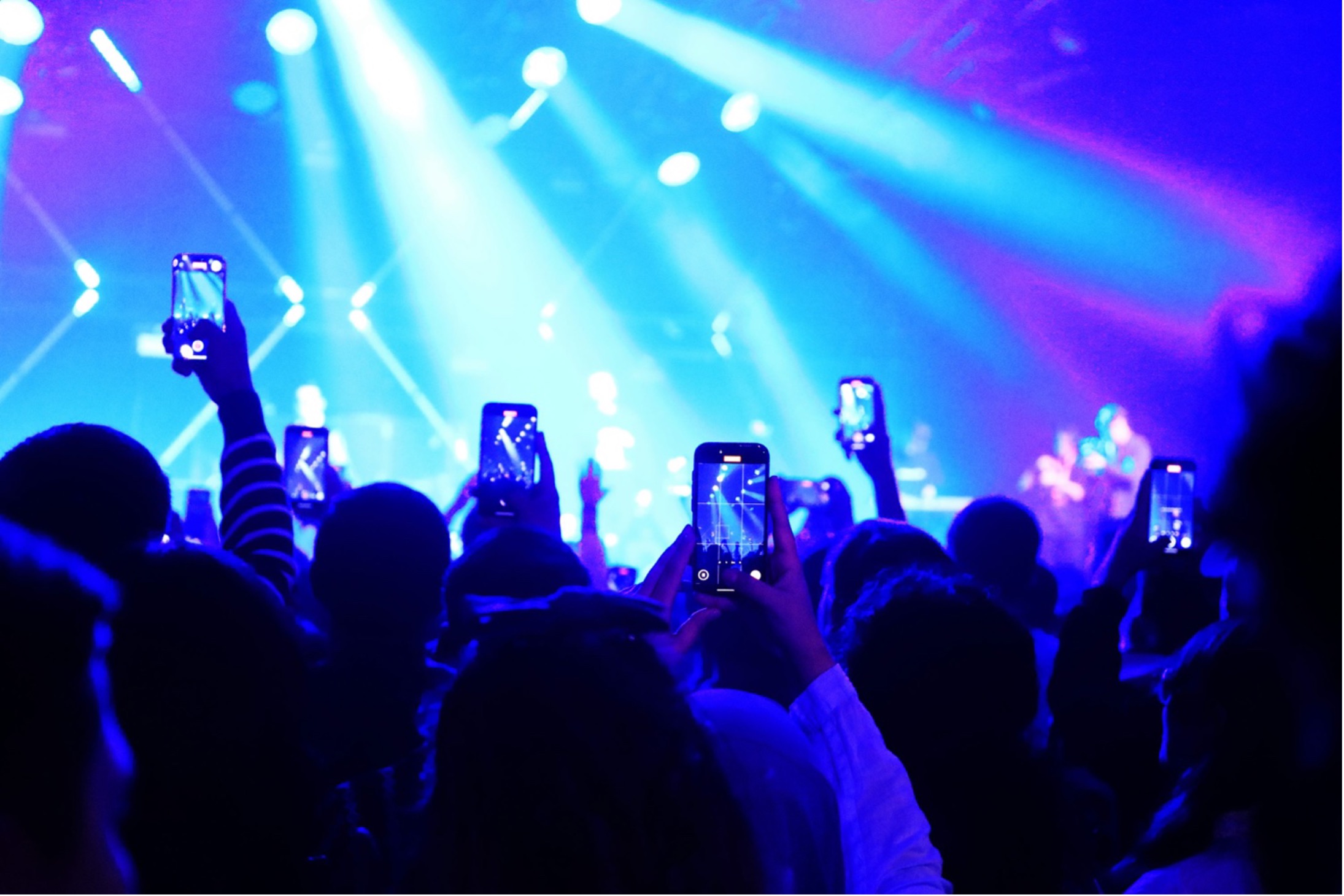
Phoebe Bridgers wants to lock away your phone for the duration of her upcoming tour.
The singer is reportedly using Yondr pouches, sealed cases that secure phones during the show, meaning no filming, posting, or scrolling until you leave the venue.
No quick clips mid-song. No Instagram Stories from the crowd. Just the music, uninterrupted.
Fans are split. Some see it as a chance to actually be present, instead of watching everything through a screen. Others point out that phone-free rules don’t work for everyone, especially when it comes to accessibility or safety.
But it also highlights how concerts already work. Most of us film moments we’ll never watch again, while the real versions we return to are the polished ones online anyway.
So the question becomes simple: are we there to experience it, or to record it?
Slow Cars, Fast Attention
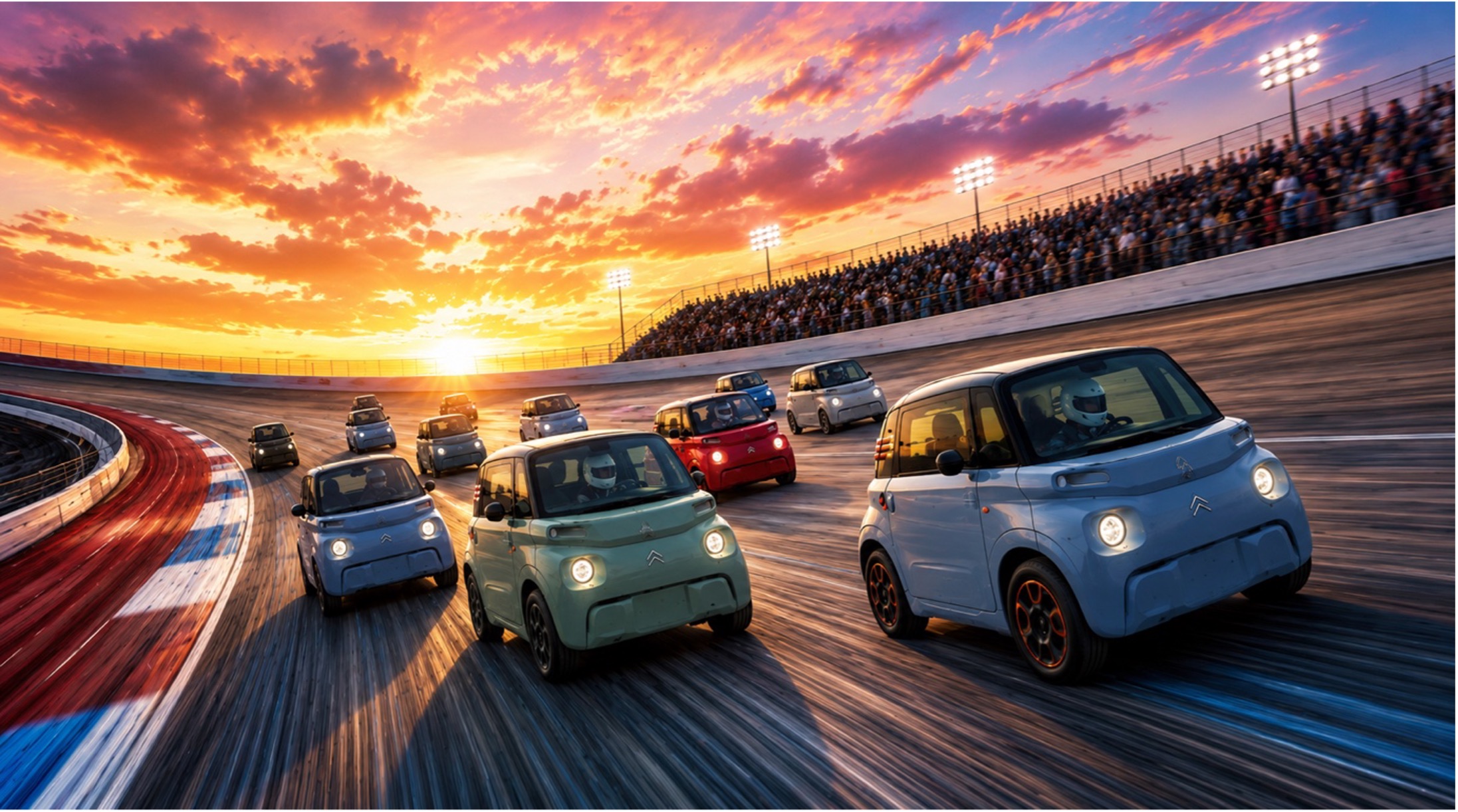
Nine tiny electric cars. One French velodrome. One hundred laps.
That’s the entire premise behind L.A.C.O.U.R.S.E, a Citroën Ami endurance race that attracted more than a million viewers on Twitch. No celebrity drivers, no huge prize fund and no cutting-edge technology. Just nine glorified electric boxes attempting to survive 44.5 kilometres of flat-out racing without running out of battery.
It sounds ridiculous but, in reality, it’s a good lesson in modern attention. For years, brands have been conditioned to think bigger equals better. Yet, one of the most talked-about motorsport events of the year involved a vehicle better known for short trips to the shops than setting lap records.
The appeal of the race came from how instantly understandable it was. Within seconds, viewers knew exactly what was at stake. A tiny electric car has a finite battery. One hundred laps at full speed sounds ambitious. Suddenly, every overtake, every strategic decision and every percentage of battery life mattered. What emerged was something many expensive campaigns spend months trying to engineer: genuine tension. The Citroën Ami race took a vehicle defined by its limitations and transformed those limitations into the entertainment itself. There’s a tendency in marketing to believe attention comes from scale. The success of this race suggests that people aren’t always looking for something bigger, they’re looking for something worth caring about.
More than a million people tuned in to watch the tiny electric cars circle a velodrome purely because the idea was simple, the stakes were clear and the outcome felt uncertain. Sometimes that’s all great entertainment needs!
THE TIKTOK-TO-PRODUCT PIPELINE STRIKES AGAIN
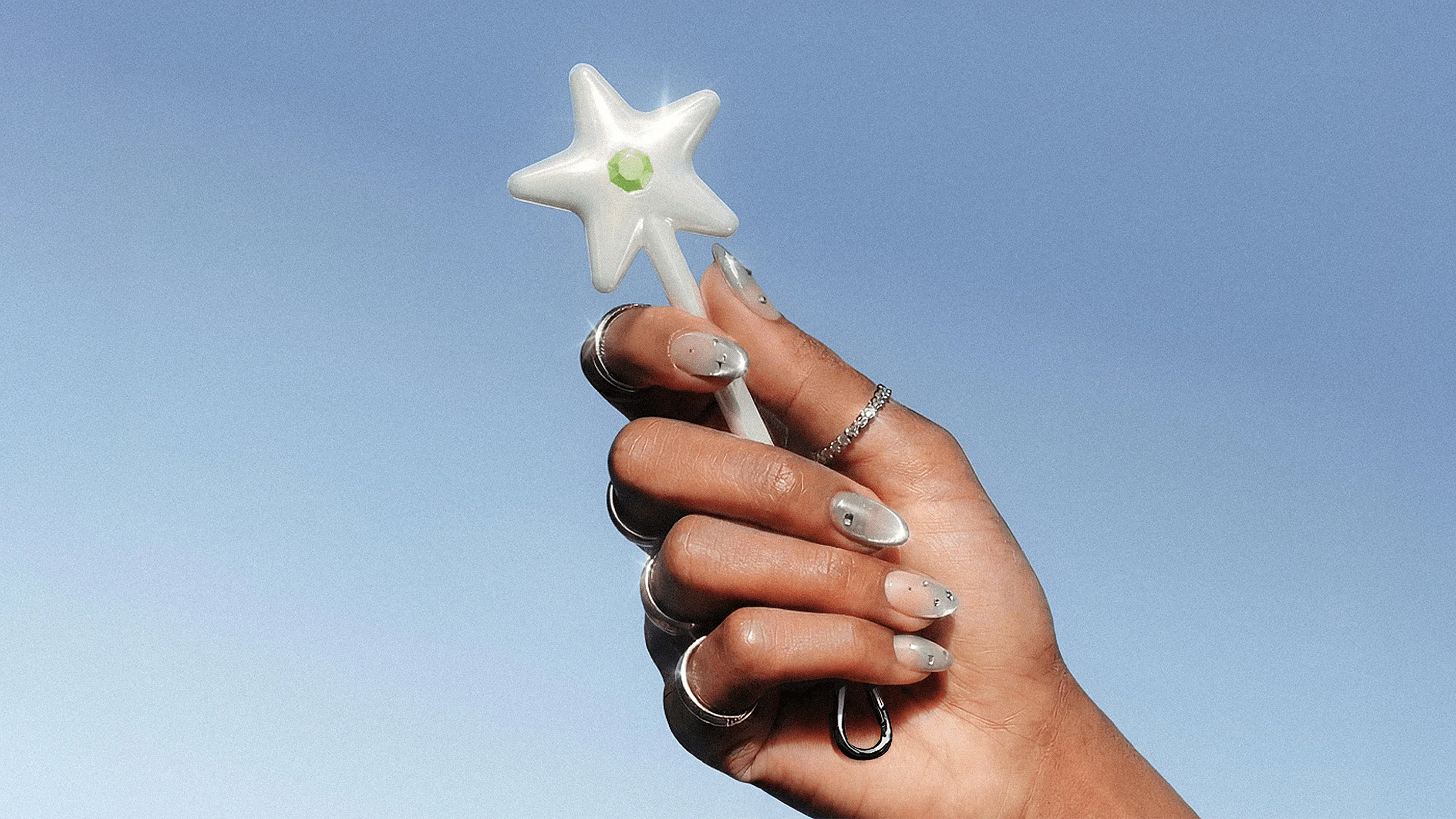
Cash App’s new NFC payment lets people tap to pay by waving around a tiny magic wand instead of a card or phone. It’s cute, it’s funny, but like many big corporate ideas – its not as original as they’d like people to think it is. TikTok already got there first with cardboard and glue sticks.
Months before the brand launched its official $25 version, a creator went viral for tap-paying with a homemade magic wand made from her husband’s bank card. It was silly. Which is exactly why people loved it.
Then the internet did what it always does. Etsy sellers started making 3D-printed versions. People began paying for coffees like they were casting spells at self-checkouts. Somewhere along the line, the joke accidentally became a product category.
Now Cash App has arrived with a healthy campaign budget and mass produced the wand sending them to influencers all over the States.
This is basically how products work now. Someone online does something weird enough to feel fresh, the internet copies it for a few weeks, and eventually a brand appears pretending they’ve uncovered some deep consumer insight.
TikTok has basically become free research and development department for corporations. People test behaviours publicly now. Brands just watch what gets traction and release the cleaned-up version six months later.
The funny thing is audiences are starting to notice when brands are late. The original wand worked because it felt homemade, unnecessary and slightly embarrassing. That was the charm. You could imagine someone making it at 1am instead of in a brainstorm called “Gen Z Payment Innovation”.
But it feels less like innovation and more like a brand watching the internet through the office window before finally deciding to join in.