
In this week’s Our Take: a World Cup cover-up, influencers ejected from Indonesian island, football fans lose visas, win TVs, and a burger brand gets smashed.
IT’S THE COVER-UP THAT GETS YOU (ATTENTION)

The denim brand Levi’s is pretending not to be Levi’s. And it’s working brilliantly.
Due to the strict FIFA sponsorship restrictions, the denim company had to remove all the branding at its owned Stadium in San Francisco. What did they do? They simply covered it. With a blank version of their iconic label.
We’ve been seeing a lot of attempts from brands to ‘camouflate’ their logo as a response to some restrictions.
The truth is that for such big international brands, you don’t need to see the name. The shape, the design and the font tell you everything. At the end of the day, we’re that generation who used to be obsessed with the Logo Quiz.
The company has leaned into the joke, updating its Instagram and TikTok profile images to match the covered-up version of the logo. So not only have they subverted FIFA’s rules, the resulting publicity has boosted their brand’s profile, and put that iconic label back in the news.
It’s brilliant marketing. We love it so much we don’t really want to point out how it kinda sorta looks like a giant nappy.
ISLAND UNDER THE INFLUENCE SOBERS UP
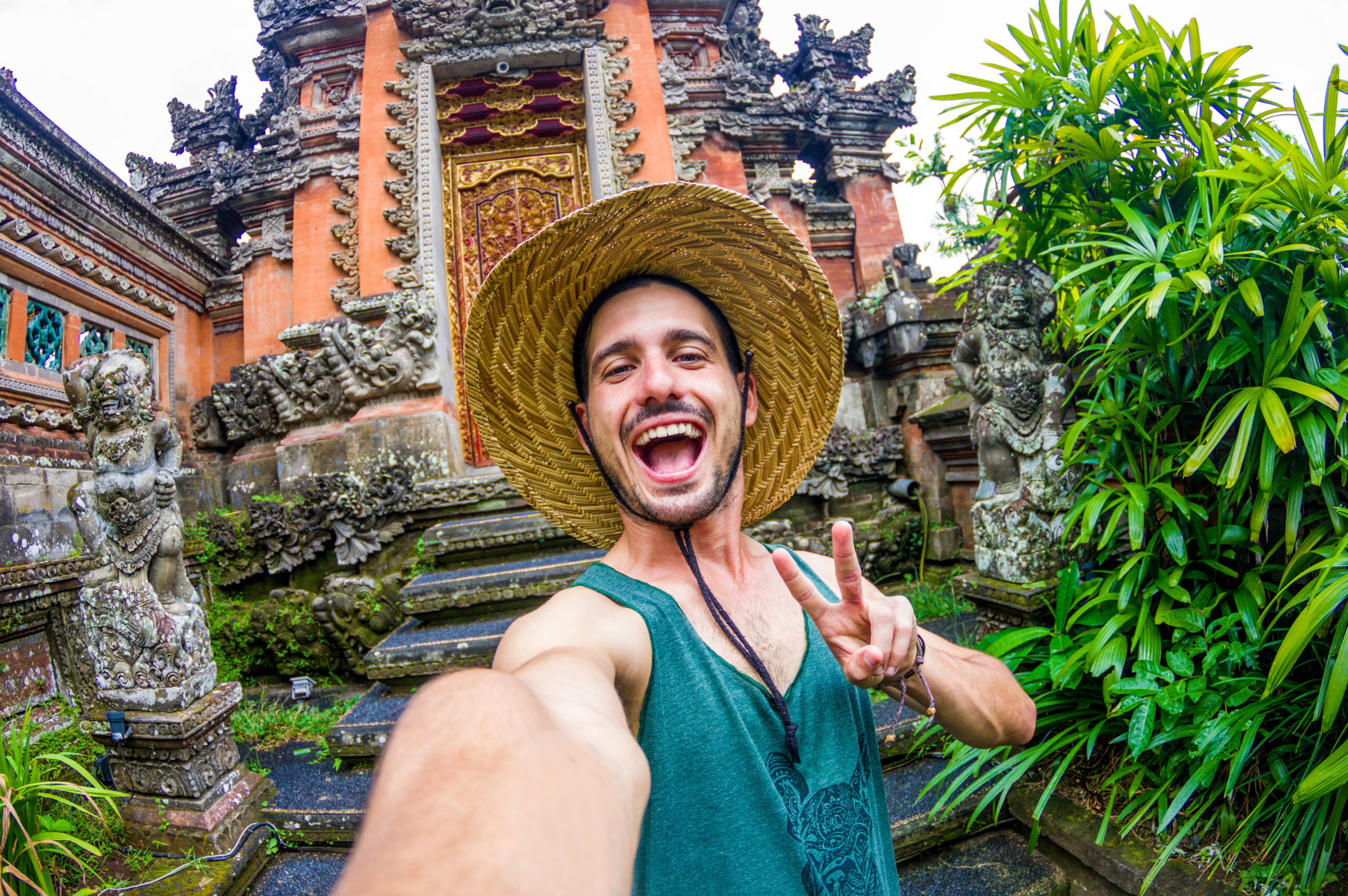
Bali is clamping down on influencers.
By some metrics, Bali seems to be a huge beneficiary of all those influencers promoting tourism to the island, which gets over seven million tourist visitors every year. But the Indonesian government has decided it’s sick of it.
For one thing, they don’t need the publicity. If anything, overtourism is the problem, resulting in gridlocked traffic, pollution (especially with discarded plastic), and even pressure on the water supply.
Not to mention the toxic behaviour of too many visitors, who disrespect local Hindu temples and other sacred sites.
Add to that the displacement of local workers. Sure, there’s lots of employment in the hospitality sector, but unregulated photographers, videographers and ‘lifestyle’ coaches undermine local, tax-paying creatives.
And to top it all off, the influencers aren’t actually contributing to the economy. They arrive on tourist visas, negotiate barter deals so that no money changes hands, generate a ton of value for themselves, and Indonesia doesn’t get a rupiah out of it.
So from now on Bali will prioritise visitors who spend money over those looking for free perks. They have introduced financial checks for incoming visitors and implemented a tourist levy. The goal is fewer, higher-spending tourists who respect local laws and culture.
Sounds fair.
VISA DENIED, TV APPROVED
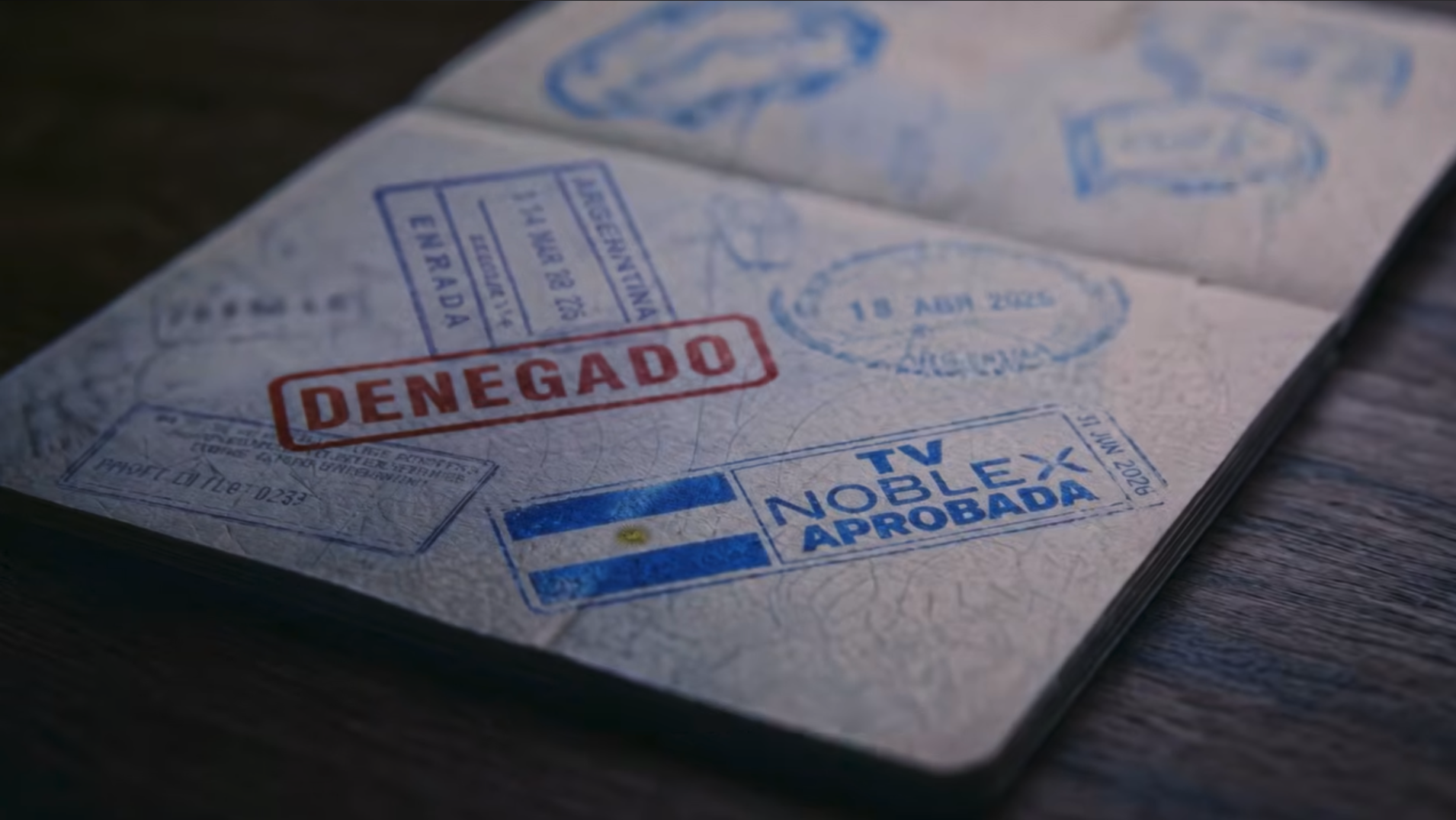
Most brands celebrate good news. Noblex built a campaign around getting rejected. Ahead of the World Cup, the Argentine electronics brand offered free TVs for the first 100 fans who could prove their US or Canadian visa application had been denied.
The logic was simple: if you can’t watch Messi in the stadium, you can at least watch him on your brand-new 32″ Noblex TV.
Across Latin America, visa rejections aren’t rare. They’re frustrating and often met with a sad “¡ya fue!” (“it is what it is”). Noblex understands that reality and turned a shared disappointment into a shared joke.
The message is essentially: “Sorry your World Cup dream trip is over. Would you like a free TV?” It’s funny because it’s true. And it’s effective because the brand isn’t laughing at people; it’s laughing with them.
BURGER BRAND GETS SMASHED
The smash burger category isn’t exactly new. Every burger chain, pub and food truck on the planet seem to have discovered the joys of pressing beef onto a hot griddle sometime in the last five years. So adding one more joint to the list isn’t going to generate much excitement.
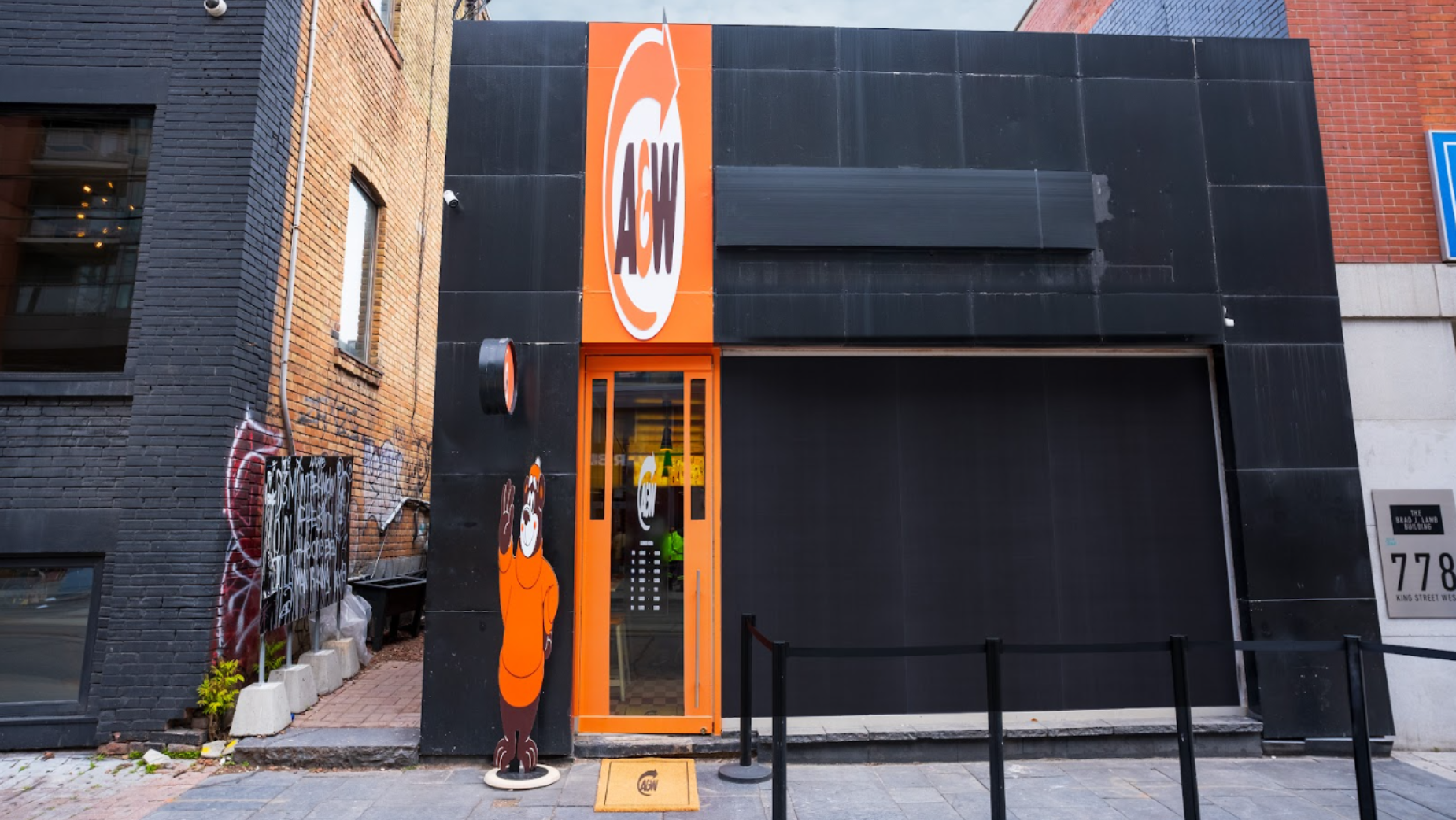
Canadian burger chain A&W found a way to dramatise the overdone food trend. They didn’t just smash a burger, they smashed everything. To launch its first nationwide Smash Burger, the brand transformed one of its Toronto locations into what looked like a compressed, squashed version of itself. The building looked like it had been put through a giant burger press.
What sets this apart from a lot of brand campaigns is that it doesn’t rely on layers of explanation to connect the idea back to the product. There’s no extra explanation needed. It’s smashingly simple.