
In this week’s Our Take: the haircut that could save your life, why holiday memories taste like crisps, can AI still count as art, and the golfer who doesn’t exist.
A safe trim
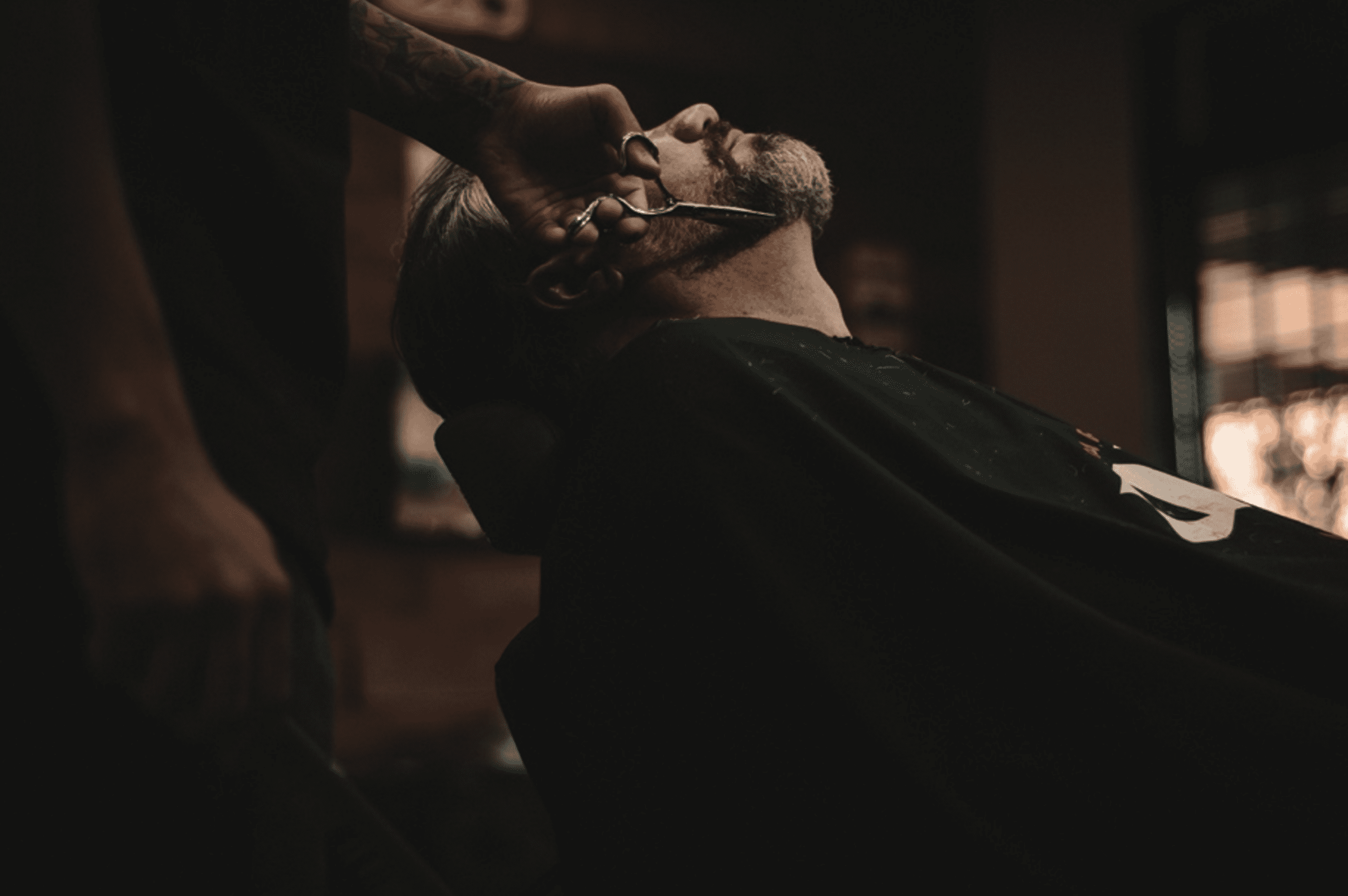
Melanoma Focus has launched The Life Saving Haircut, a campaign that equips barbers with a simple guide to help recognise potential signs of skin cancer on the scalp and neck. The handbook gives them enough knowledge to encourage a client to get something unusual checked by their GP
We love how this idea starts with a simple insight: barbers regularly see parts of our bodies that we don’t.
More broadly, this initiative fails into a wider health awareness movement that is increasingly leaning into everyday environments, using people we already interact with to spot issues we might otherwise miss. Barbers, dentists, opticians and beauticians all have the potential to become an extra layer of prevention by starting conversations that lead to earlier checks. The smartest part is that it makes getting health advice feel almost passive. People don’t have to book a screening or actively think about it but this happens naturally as part of something they were going to do anyway.
Crisp Culture
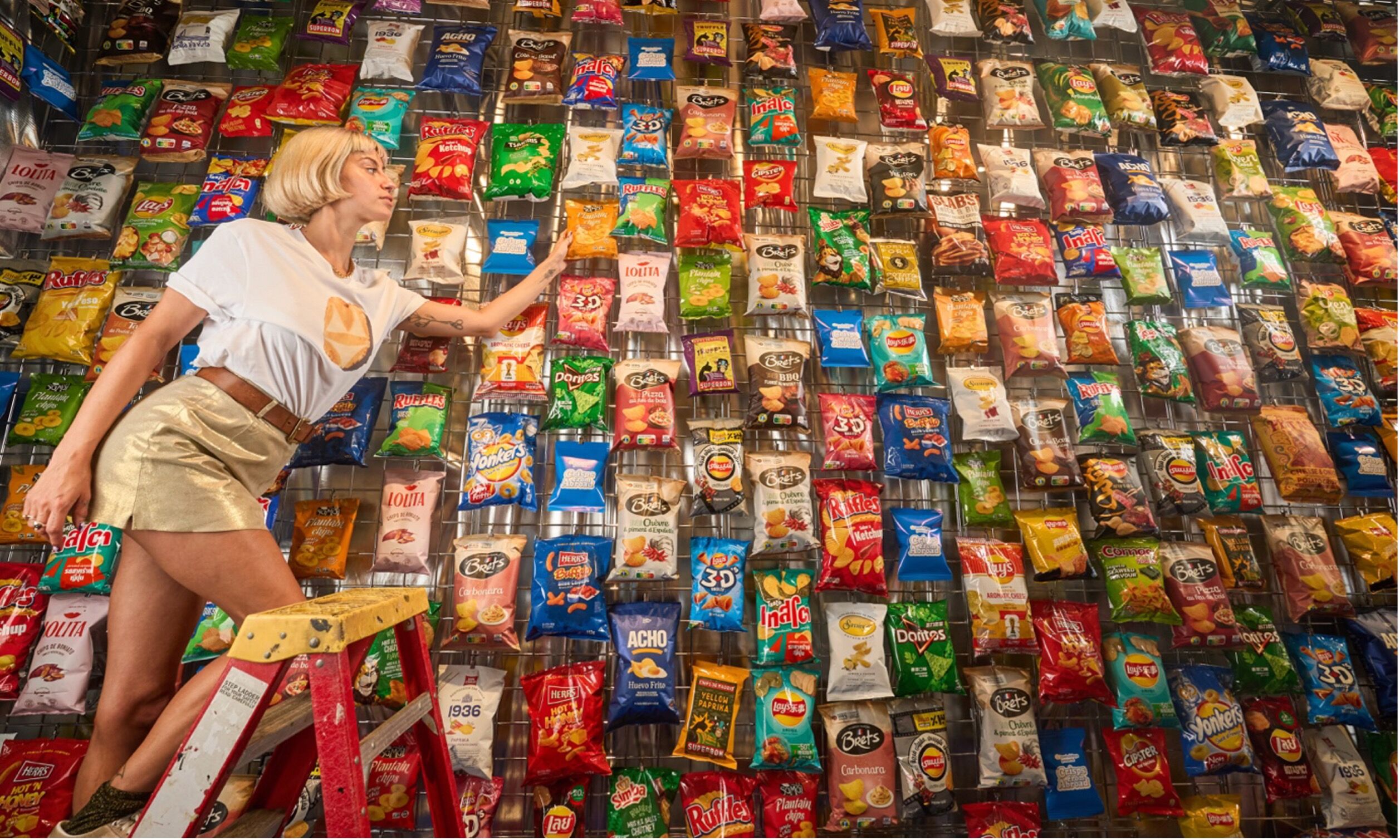
Some people come home from holiday with a fridge magnet. But the ones who really know are the ones who have stocked up on crisps in the local mercado, supermarket or corner shop before heading home.
New research from loveholidays has confirmed what many travellers already suspected: the humble crisp has become an essential part of the holiday experience. From hunting down Spain’s paprika flavours to discovering unusual varieties abroad, holidaymakers are increasingly turning snack aisles into part of their travel itinerary.
loveholidays has turned that familiar habit into a simple but genius PR campaign by bringing 68 international crisp flavours to London. It taps into something instantly relatable: food is one of the easiest ways to relive a trip. Because while the big memories might fade, that packet of crisps you cannot find anywhere else tends to stick around.
Does AI cancel art?
Is there such a thing as an ethical use of AI in filmmaking?
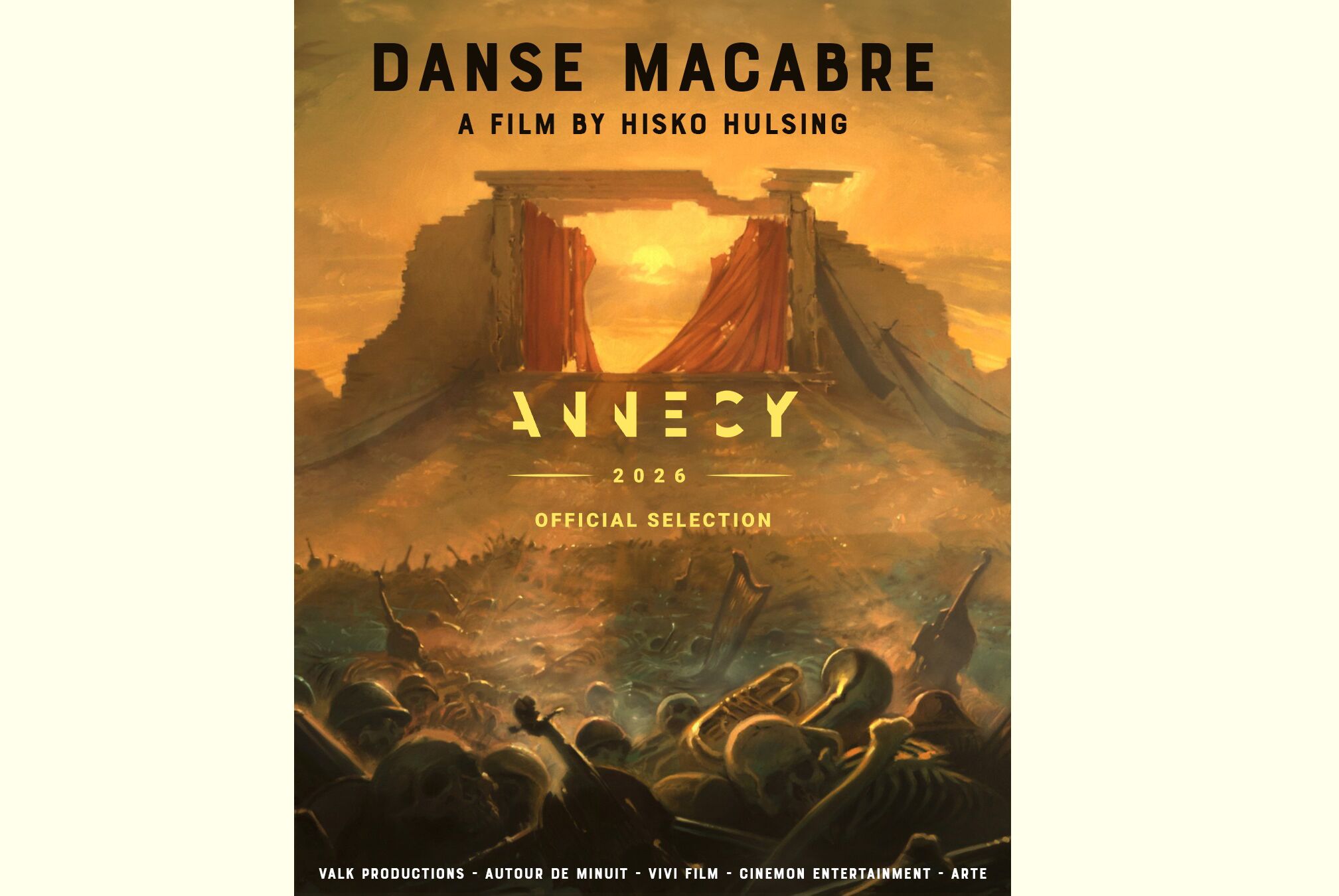
Animator Hisko Hulsing thought so. The audience at Annecy Animation Film Festival… not so much.
For his latest short film, Danse Macabre, Hulsing was crystal clear from day one about using generative AI to recreate textures for some of the 3D models. It was hardly the whole production! The film involved artists from over 30 artists four different countries, and Hulsing himself painted 75 oil canvases that became the background art. It didn’t matter.
As the film started, people walked out and the ones that stayed behind, stayed to boo.
Hulsing replied by raising his middle finger to the audience (literally) and Annecy’s artistic director, Marcel Jean, later defended the film and the decision of the festival to include this film, saying that “…burying our heads in the sand will not solve the problem.”
Whether you agree with Hulsing or not, the reaction says a lot about where we are. AI has become such a loaded topic that the simple mention of AI being used in a movie, makes the whole creative work disappear. We’re all aware of the concerns around AI: jobs, copyright, energy and water consumption, the list goes on. It’s an interesting question, however, if an artist is transparent about using it, and it’s just one tool in a much bigger creative process, is there room for an understanding? Or have we reached the point where any use of AI is simply a dealbreaker?
Fore Play
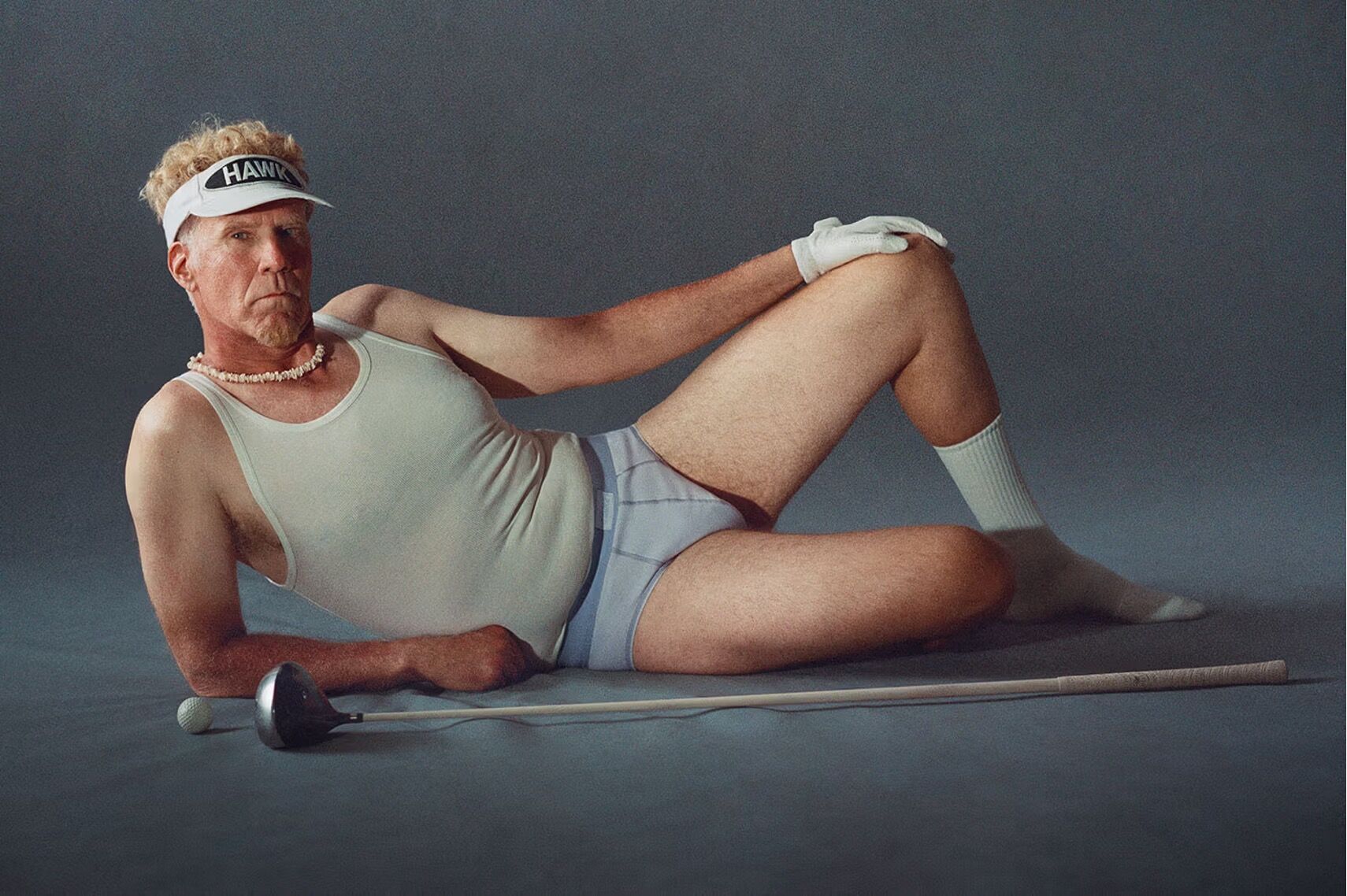
SKIMS has always had a knack for picking the internet’s latest obsession. This time, they’ve gone one step further by casting someone who doesn’t technically exist.
Instead of Will Ferrell playing himself, the menswear brand hands the spotlight to Lonnie “The Hawk” Hawkins, the washed-up golf legend from Ferrell’s upcoming Netflix comedy The Hawk. Posing in powder blue briefs, tube socks and a visor, he’s giving retired club captain energy with the confidence of a man who still thinks he can win the Masters.
The commitment to the bit is inspiring. The campaign doesn’t wink at the audience. It treats The Hawk like a real sports icon with a comeback story worth believing in, blurring the lines between entertainment, advertising and character marketing. It’s funny, slightly ridiculous and perfectly self-aware, which feels far more memorable than another celebrity underwear shoot.
It also shows how campaigns are getting smarter about borrowing cultural momentum. SKIMS isn’t just promoting menswear. Netflix isn’t just promoting a new comedy. Together they’ve created one big pop culture moment that gives both brands something far more valuable than media spend. People actually want to share it. When the fictional spokesperson becomes the most believable man in the room, you know you’ve got a campaign people will remember.