
In this week’s Our Take: Mo Harris becomes a bona fide Classic. CCTV chic makes surveillance go viral. Jamiroquai finally reaches Beefeater 0.0. And a 1930s camera reframes the World Cup.
The peoples’ Icon

Both Reebok and Mo Harris are legends in their own right, household names that have stuck around for decades, but when the unlikely two are combined it’s fresh, exciting and genuinely iconic. For the latest instalment of The Giveback, Reebok has cast EastEnders legend Laila Morse, better known as Mo Harris, with the line: “Some people don’t just wear Classics. They are Classics.” Mo Harris isn’t a global celebrity or even the obvious fashion campaign choice. She’s a legend because people have grown up with her. Reebok is tapping into a type of fame that feels long earned rather than manufactured.
Pairing Morse with a Ford Escort RS Turbo only adds to the story. Neither is trying to be relevant again because, for a lot of regular people, they never really stopped being relevant. They’ve earned their place through years of familiarity, character and genuine affection.
It feels like we’re seeing more brands move away from overly polished, trendy, obvious options and instead celebrating the people and cultural moments that audiences already have an emotional connection with. Nostalgia definitely plays a role, but it’s not nostalgia for nostalgia’s sake. We have been seeing the Juxtaposition of unlikely characters, well known to older generations, in campaigns aimed at younger audiences. Think of the images of Susan Boyle with Cornetto for example.
Reebok isn’t asking us to believe that Mo Harris is a classic – it’s simply acknowledging something audiences have known for years. Sometimes the smartest creative decision isn’t creating a new icon. It’s recognising the one that has been hiding in plain sight all along.
Smile, you’re always on camera

The camera was always there, what’s changed is that now it’s part of the content.
Grainy Ring doorbell outfit checks and blurry CCTV clips are becoming their own aesthetic. The attraction to it is easy to understand: they feel “real”, not like a curated and highly edited video for your FYP or carousel for your social media feed.
On the surface, it’s just another internet trend. But it says something about how our relationship with surveillance is changing. For years, cameras in public spaces blended into the background. They were simply part of modern life. Now, instead of ignoring them, we’re seeking them out. And we have to ask… who’s really benefiting from all of this data?
The trend is not really that harmful per se. A CCTV selfie isn’t the end of privacy. But it does feel weird how video after video, photo after photo it’s starting to get normalised.
The question isn’t whether we’re being watched. We know we are! It’s whether making surveillance into “cute and viral” content makes us less likely to ask where the next camera will be or what happens to the footage after we’ve liked and shared it.
Beefeater Answers the Question We Forgot to Ask
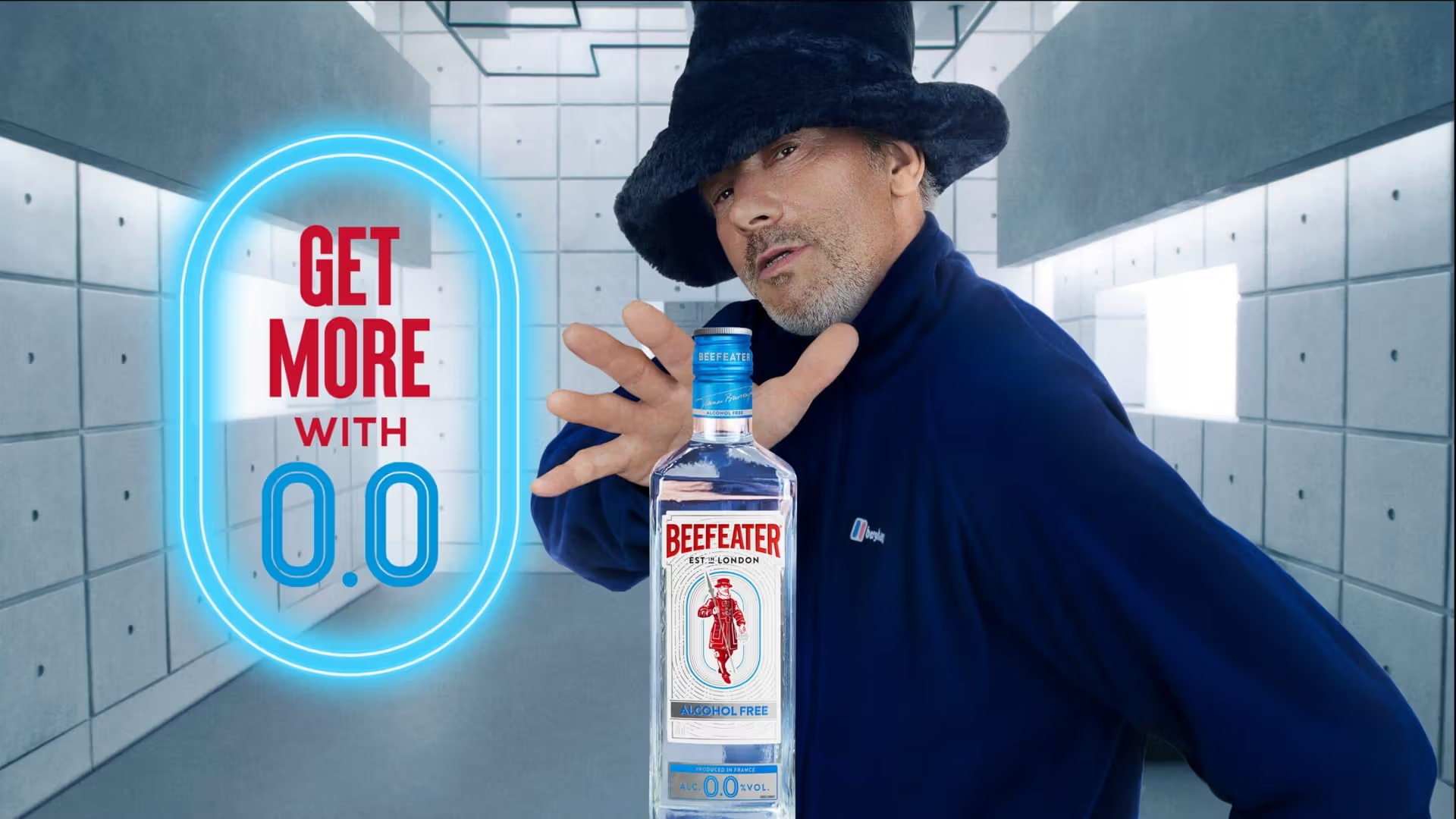
Somewhere, somehow, Beefeater 0.0 has answered a question none of us realised we’d been asking for 30 years: what was Jay Kay reaching for in Virtual Insanity?
Turns out, it was Beefeater 0.0.
For the 30th anniversary of Jamiroquai’s iconic video, Beefeater has sent Jay Kay back into that famously moving room, finally revealing what was at the end of the reach. And that’s the clever bit. Rather than simply shouting “remember this?”, it picks up an unfinished piece of pop culture and gives it a punchline.
The new film keeps the surrealism, but adds more rooms, more hats, and more Jay Kay. And, fittingly, it was created practically, without CG or AI. It also gives Beefeater 0.0 a natural role, moderation without missing out. Switch to non-alcoholic, keep the night moving.
A smart, slightly bonkers way to bring a 30-year-old cultural moment back to life.
And now we finally know.
VINTAGE VIBES
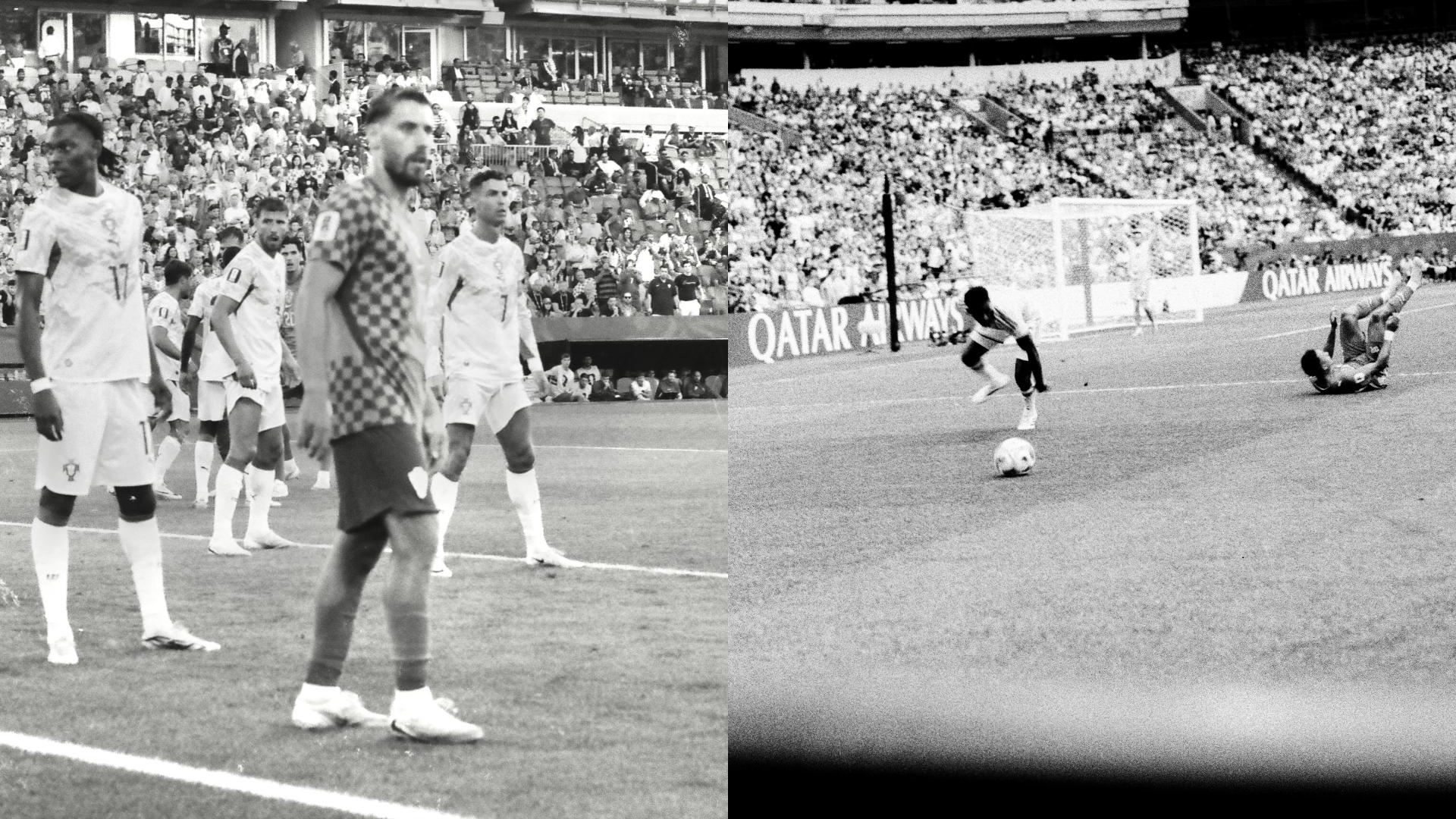
Egyptian sports photographer, Fareed Kotb, showed up to the world cup lugging an enormous camera, determined to capture the action with the best technology available. Or rather, the best technology that was available in 1930 the year of the first world cup. His ancient, clunky, vintage kit, complete with hood and bellows, had to be loaded with a fresh sheet of film for each shot. And of course, we were all going to have to just wait and see what he ended up with. No instant digital output here. Or superfast shutter speeds that capture every detail.
The photos bring a genuinely different visual take on one of the most photographed events the world has ever seen.