
In this week’s Our Take: equality campaign breaks ground (and laws), an unlikely hit movie from China, Spotify lets fans rip off artists, and Bieber brings back the MP3.
CRIME PAYS… EQUALLY
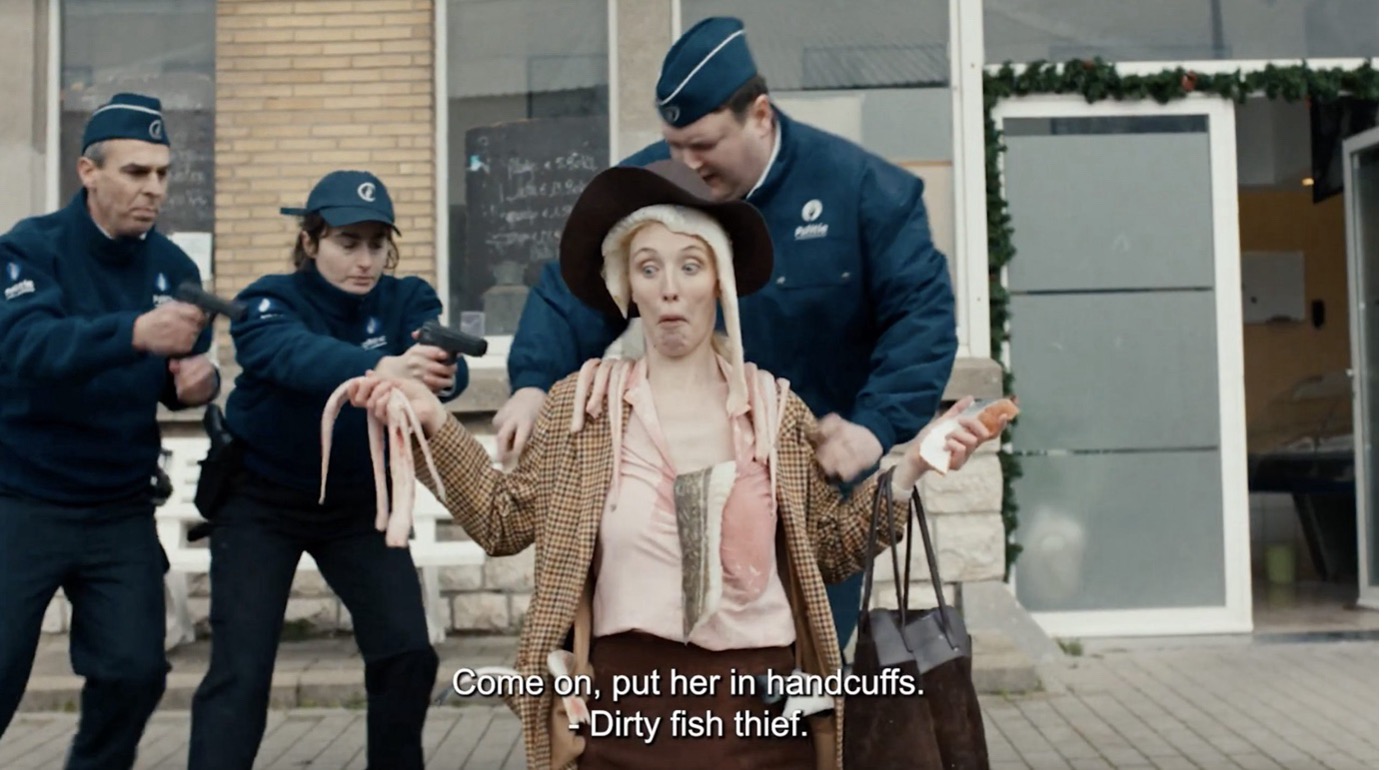
Turns out there is one workplace where the gender pay gap has been successfully eliminated. The slight catch? You have to go to prison.
Belgian women’s rights organisation ZIJkant has taken this fairly bleak discovery and turned it into a brilliantly dark Equal Pay Day campaign. Prisoners who work are paid a fixed allowance regardless of gender. Meanwhile, outside the prison walls, ZIJkant says women in Belgium are still earning 20% less than men.
Naturally, there’s only one thing to do: get arrested.
The campaign film follows women going to increasingly ridiculous lengths to land themselves behind bars. Stealing in plain sight doesn’t quite do it, so they move on to announcing a jewellery robbery, casually strolling out of a museum with a painting and enthusiastically joining a bank heist.
It shows the lengths that women would go to for equal pay, even if that means being put behind bars.
We’ve heard gender pay gap statistics countless times, and even the most shocking numbers can start to lose their impact through repetition. ZIJkant takes a completely different route in its campaign, using humour to make the inequality feel ridiculous rather than simply telling us that it exists.
Because really, equal pay shouldn’t be a ‘perk’ of going to prison.
THE COW THAT BEAT THE SYSTEM
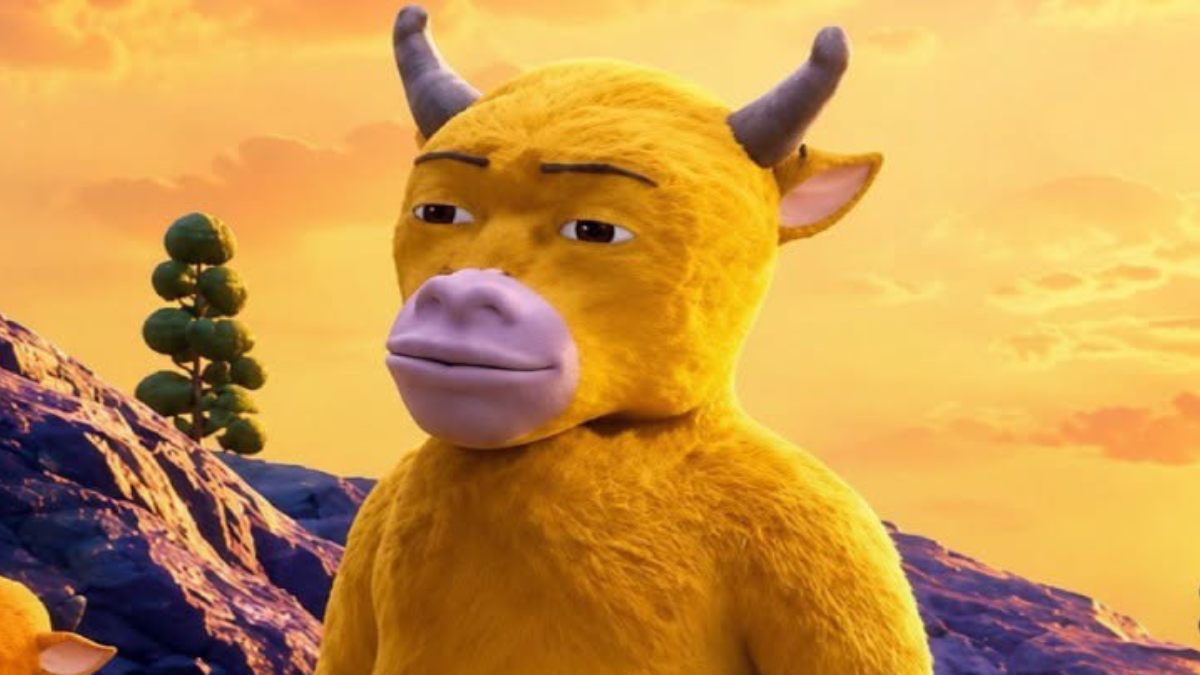
Niu Lai, a Chinese animated film about a calf, has become one of the strongest and most unexpected box-office stories of 2026.
And it’s all because it looks… well, really bad!
The animation is crude, the movements are jarring, the voice acting is awkward… but somehow that actually became the marketing campaign.
Made over five years by a self-taught filmmaker and his mother, the movie supposedly cost only a few thousand yuan (somewhere between €100 and €1,500), and opened to barely 10,000 yuan (around €1,250) in its first ten days.
But then the internet discovered it.
What followed was a ridiculous amount of free advertising, with audiences flocking “to see how bad it really was”. Suddenly, it became a hit, with box office takings of approximately €7.5 million.
And Niu Lai isn’t alone.
“YouTube-born” projects like Backrooms and Obsession have also shown that audiences are increasingly willing to follow creators and ideas rather than wait for Hollywood’s approval. But unlike those films, Niu Lai barely had the budget to start with.
The lesson isn’t that quality doesn’t matter. It’s that our definition of quality might be changing. For years, bigger budgets, better VFX and increasingly polished visuals became shorthand for “worth watching”.
As one comment under the many reels on Instagram beautifully put it:
“People crave human slop over AI slop.”
Could that be part of the reason for Niu Lai’s success too? Food for thought. Or for cows.
RIP-OFF CULTURE
Fans make music culture. We’ve always collected the little artefacts that prove we were there – ticket stubs, wristbands and even bits of confetti shoved into your pocket on the way home.
But as music becomes increasingly digital, those physical souvenirs are getting harder to come by. Which might explain why we’re more desperate than ever to hold onto them. A screenshot of your Spotify Wrapped doesn’t quite hit like a battered Oxegen ticket from 2010. I need my grandkids to know I saw Eminem, Jay-Z, Muse and The Prodigy on one very wet weekend at Punchestown Racecourse.
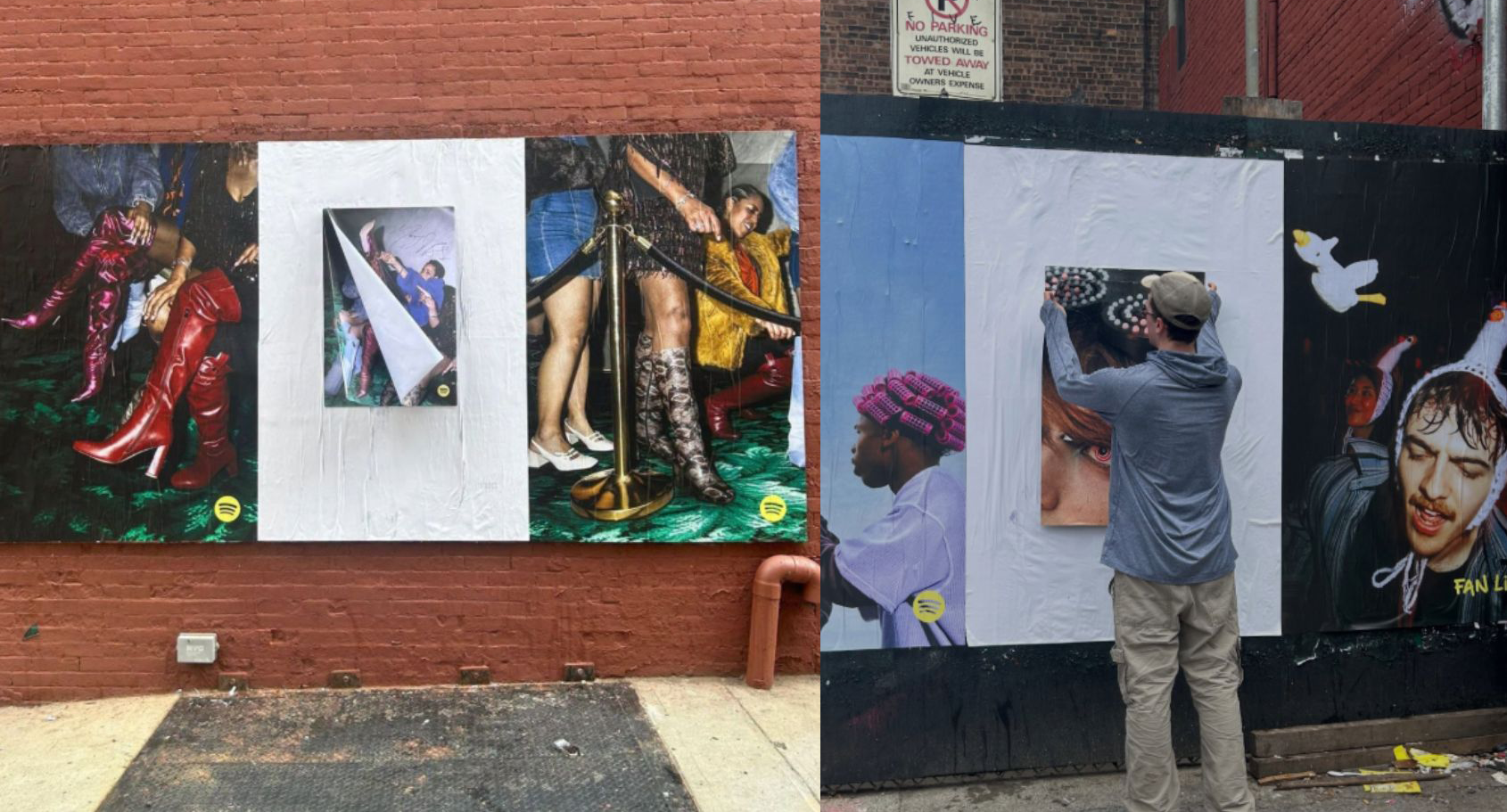
Spotify’s latest Fan Life campaign taps directly into that instinct, celebrating the rituals, fashion and behaviours that turn listening to music into being a fan.
For its latest OOH, Spotify has made the advertising collectable too. Posters around cities are designed to be ripped apart and taken home, with a handful even signed by the artists.
It’s a smart little contradiction from the world’s biggest streaming platform. When so much of music now lives online, sometimes the thing fans want most is something they can actually hold in their hands.
So yes, Spotify is actively encouraging you to nick its ads. For once, ripping off an artist is completely above board.
NEVER SAY NEVER TO THE MP3
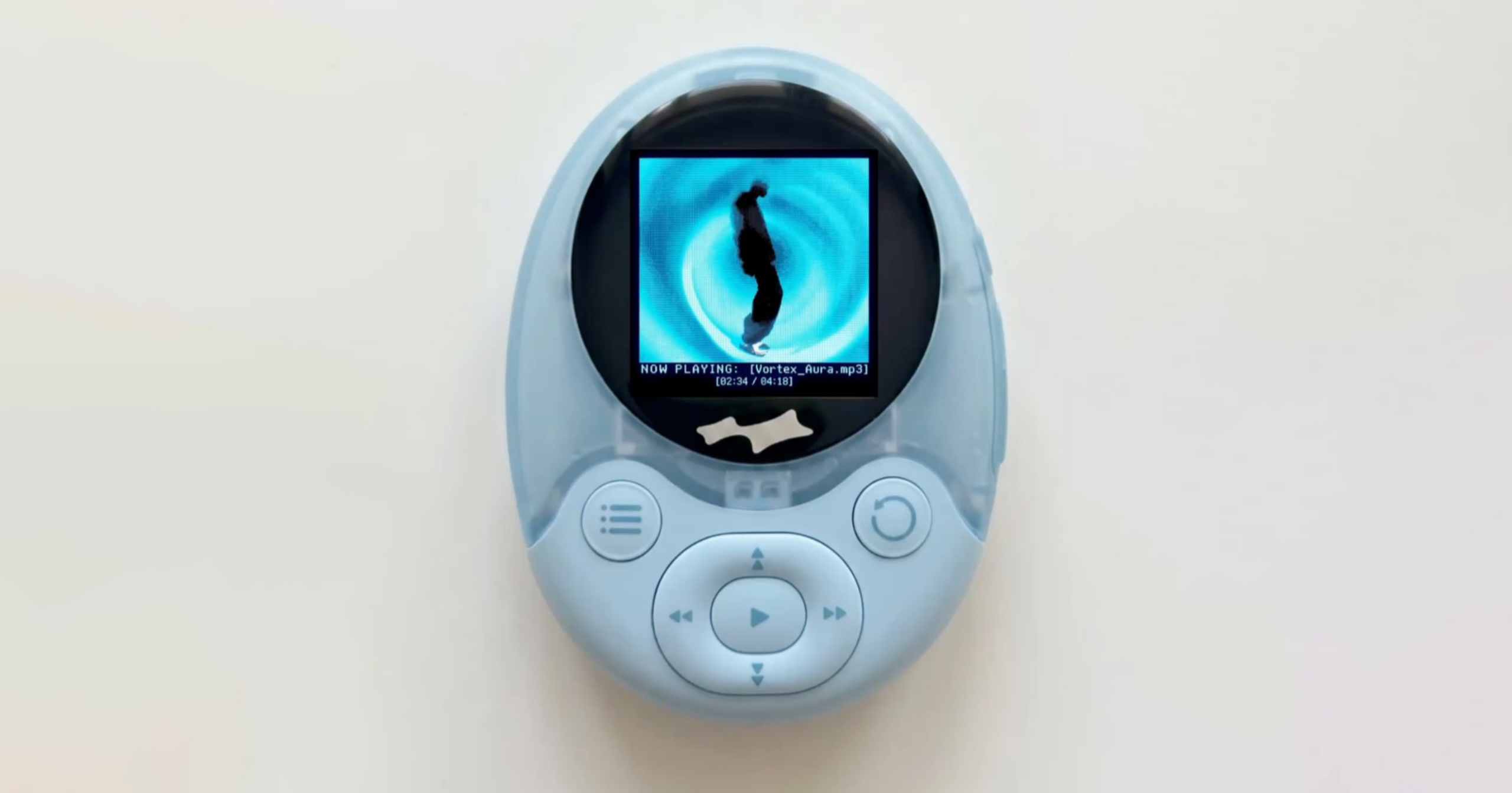
Remember when leaving the house meant deciding which songs deserved a place on your MP3 player? Well, Justin Bieber is bringing that back.
His brand SKYLRK has been teasing a move into tech, including speakers, glowing wired headphones and, most interestingly, a Y2K-style MP3 player. With a tiny screen, physical controls and wired earphones, it looks more 2006 than 2026.
Bringing back an MP3 player when virtually every song imaginable is already on our phones seems slightly pointless. But that might be exactly why it’s interesting. We’ve spent years making technology frictionless. One device does everything, streaming gives us unlimited choice and algorithms increasingly decide what we listen to. Yet we keep seeing products that deliberately bring old limitations back. Vinyl returned. Wired headphones became cool again. Digital cameras escaped the drawer. Now the MP3 player is getting its turn. There’s nostalgia at play, but also an appetite for technology that feels more intentional. After years of having everything available all the time, perhaps choosing what actually makes the cut is part of the appeal.