
In this week’s Our Take: IKEA sets a linguistic challenge, HOKA sets New Yorkers against each other, influencer overload at the US Open, and OMHU stands up to the dupes.
DO YOU SPEAK IKEA?
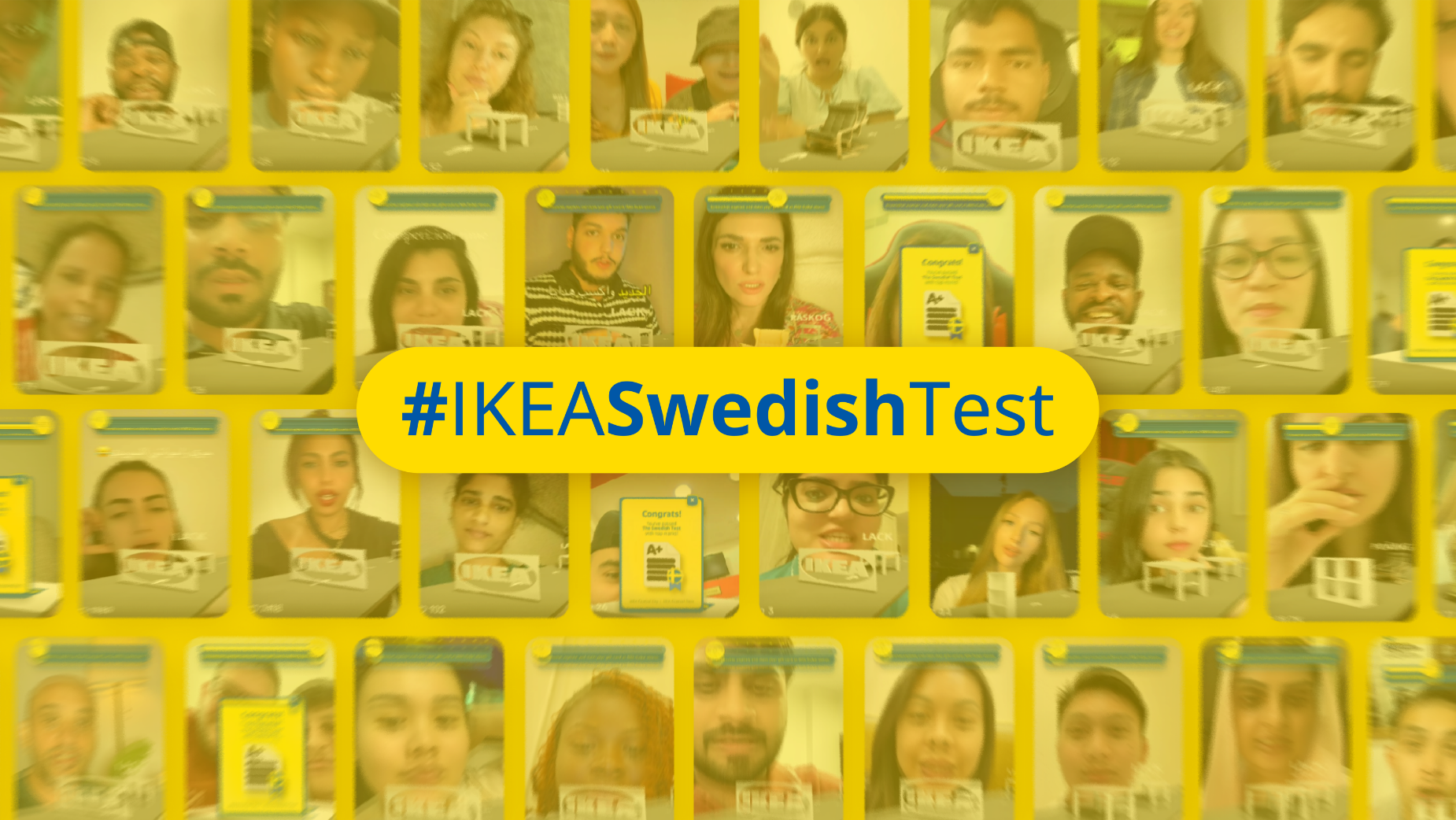
IKEA has tapped into TikTok’s love of pronunciation challenges, creating a highly shareable competition in the UAE. The Swedish Test invites people to try their hand at pronouncing IKEA’s iconic product names, with the chance to win an IKEA gift card if they can nail the pronunciation.
There’s no need to invent a new brand asset or behaviour, because IKEA’s product names are already part of its identity, and their famously tricky pronunciations provide the perfect hook for participation. Even better, the idea has built-in global scalability. Because IKEA uses the same product names across its stores in more than 60 countries, the campaign can be replicated and localised almost anywhere, while keeping the core mechanic exactly the same. It’s a great example of turning something uniquely branded into a global, social-first idea that people actually want to share.
BOROUGH WARS
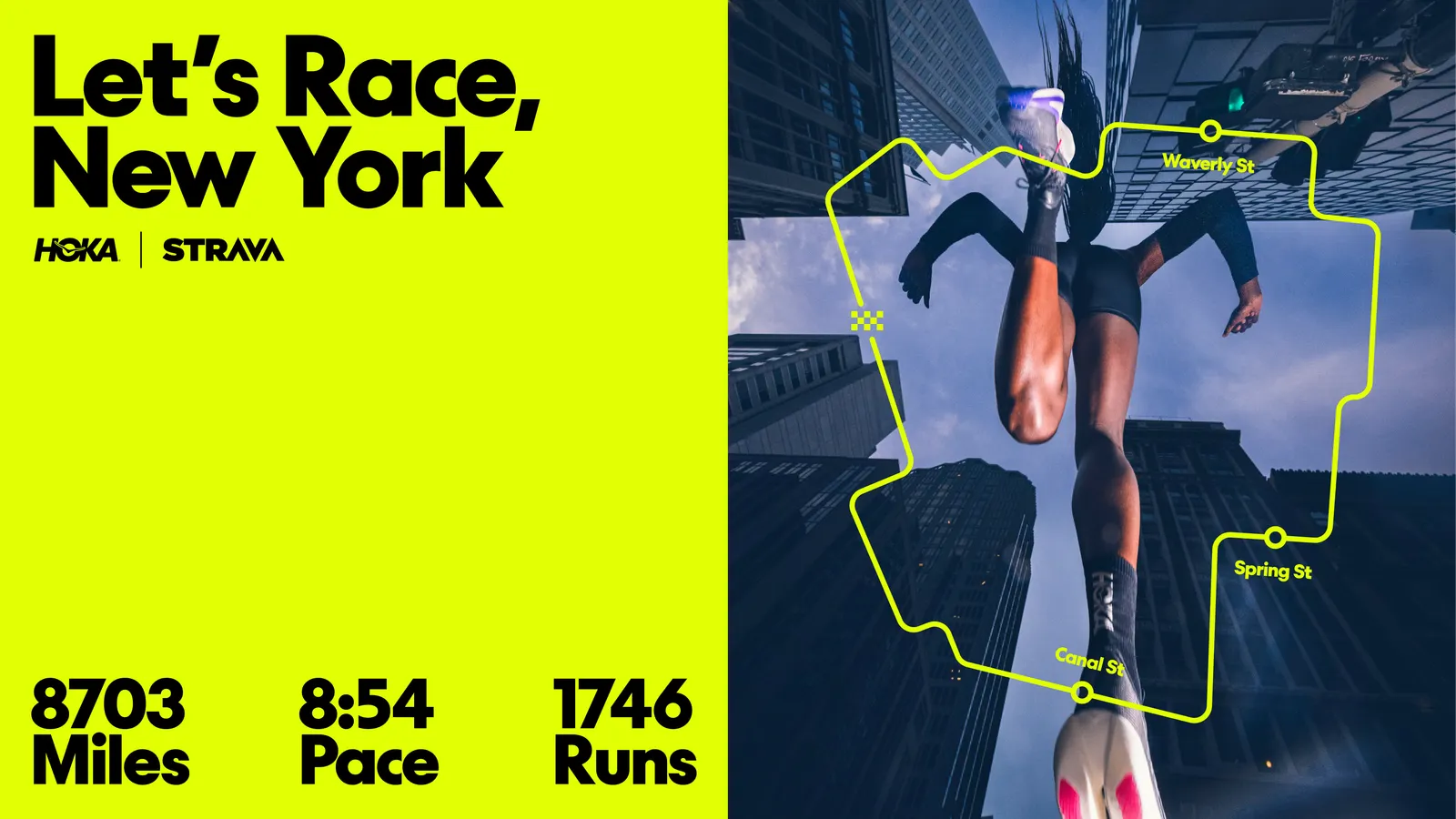
What could get you to run an extra mile? Beating your personal best? Getting a little fitter? Or how about the chance to help your hometown beat its rivals?
That’s the thinking behind running brand HOKA’s latest campaign, which turns New York’s five boroughs into rival running teams. Throughout September, runners in Manhattan, Brooklyn, Queens, the Bronx and Staten Island can log their miles on Strava. HOKA then feeds those stats into digital billboards around New York, with screens in Times Square, Tribeca, SoHo and Williamsburg displaying weekly updates on the race – showing the total distance run by each borough.
The whole thing builds towards a block party on October 3, bringing runners, creators and the wider community together.
There’s even a little Fashion Week crossover, with HOKA simultaneously teaming up with Gen Z fashion entrepreneur Emma Rogue to show off its Clifton UTL trainers around New York’s fashion scene. Because apparently these days, even your running shoes need an NYFW strategy.
It’s a neat example of turning participation into media. HOKA provides the competition, New Yorkers provide the content, and the billboards show everyone what they’ve achieved.
And if nothing else, it gives us a pretty good answer to the eternal question: why run?
SERVING TO THE FEEDS?
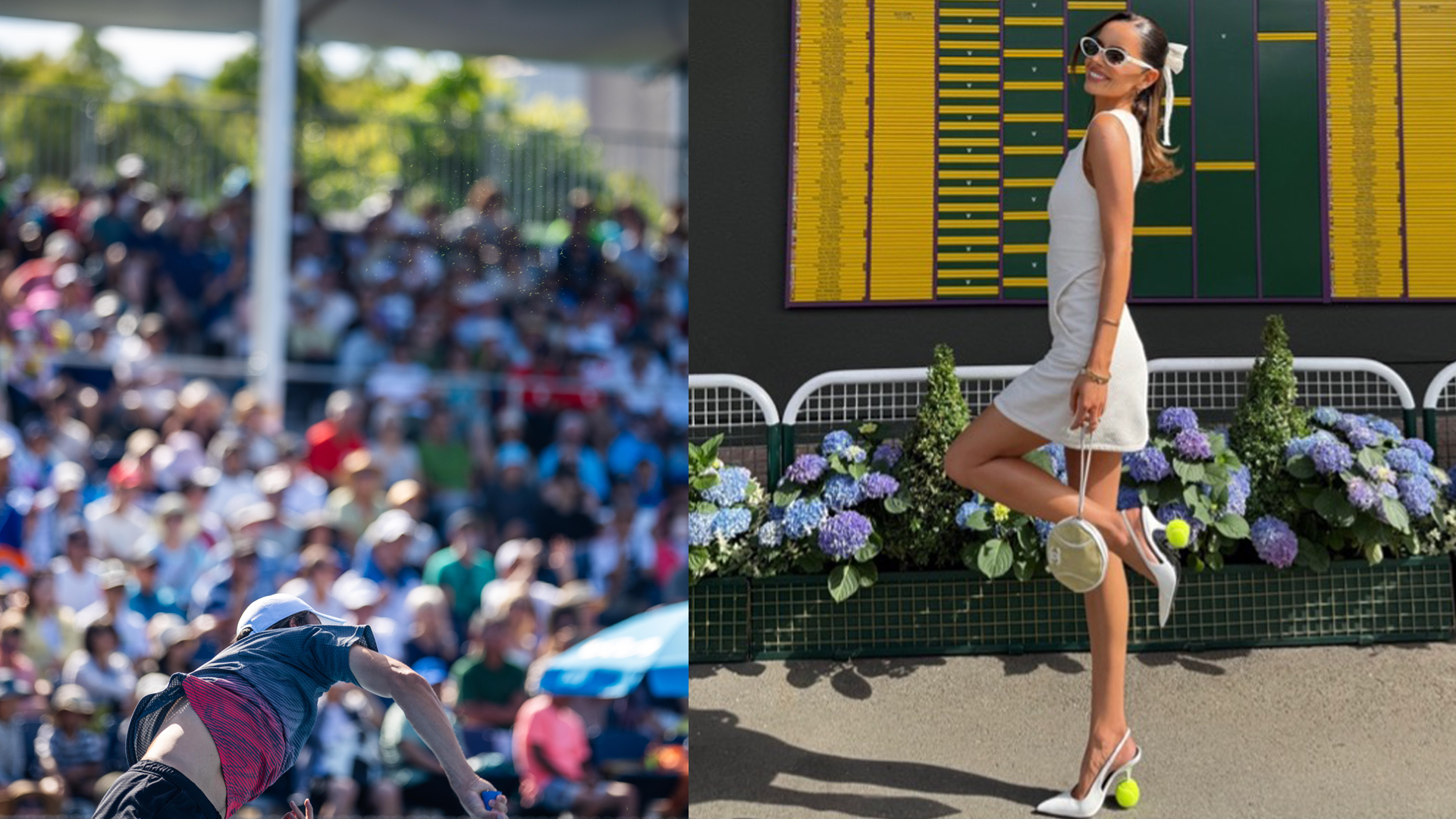
This year’s US Open sparked controversy after more than 100 influencers received media accreditation, almost double last year’s number. As sports coverage moves beyond traditional media, it feels like a bit of a mismatch at such a prestigious event (pardon the pun).
During Naomi Osaka and Anastasia Zakharova’s first-round match, influencers were reportedly asked to stop a photoshoot after distracting the players, while one influencer’s selfie light was said to be throwing players off during serves.
Wimbledon is now being urged to take a firmer stance, but is that really the answer? Sport is one of the few spaces where we’re still encouraged to be present. It feels less special when the match becomes a backdrop for an Instagram post.
There’s no denying influencers are how many of us now consume information, but perhaps it’s more about inviting the right ones. An OOTD from the US Open can be iconic – Maura Higgins’ tennis-inspired designer bag, for example – but fans who have followed the sport for years also deserve to enjoy the experience they paid for. Social media isn’t going anywhere, so banning it isn’t the answer. Perhaps the smarter move is being more selective about who gets access, and making sure the creators invited understand the respect these events deserve.
IF YOU CAN’T BEAT THE DUPES, JOIN THEM
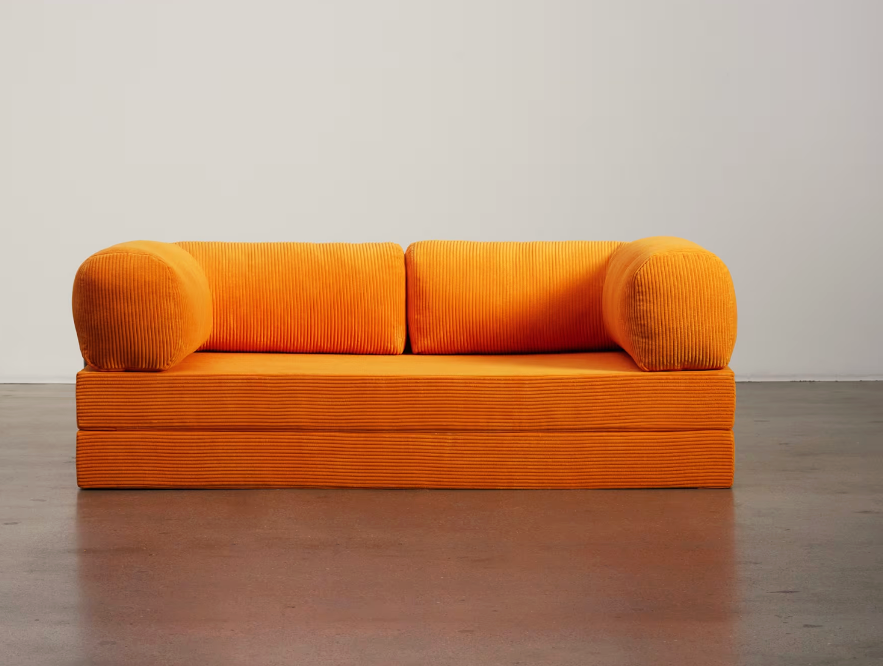
The Copenhagen furniture brand OMHU has done something unusual. After its viral TEDDY sofa was copied across the internet, it responded by launching TEDY, a deliberately misspelt, bright-orange version of its own design, and listing just 50 of them on Temu, Etsy and Dupe.com, right alongside the knock-offs.
Fighting dupes has become the default response. OMHU decided to do the opposite.
By showing up on the same platforms as the copies, the brand is acknowledging something many companies still don’t want to admit: dupe culture isn’t a side effect anymore – it’s part of how people shop. Discovery doesn’t always start on a brand’s website. It starts on TikTok, Temu and wherever people are hunting for the look.
Rather than trying to outrun the copies, OMHU has shown up where shoppers already are. It’s less about defending the original and more about owning the conversation.
As more brands grapple with imitation, the winners may not be the ones that eliminate every dupe. They’ll be the ones that turn copycat culture into another stage for the original.