
In this week’s Our Take: a cinema wipes your memories, AI won’t rebuild tech for you, Iceland’s new campaign has us in stitches and the new face of AI.
REWATCH, NO SPOILERS

Ever wish you could experience your favourite film for the first time all over again? Well, one Dutch cinema is hoping to make that dream a reality, and it involves a little mind-bending magic.
Pathé is launching REWIND, an experiment that will use hypnosis to help moviegoers temporarily forget films they’ve already seen. Working with hypnotherapist Victor Kraemer, 30 lucky participants will undergo hypnosis sessions before settling in for a screening of either The Matrix, Se7en, La La Land or Interstellar.
Now, we’re not entirely sure we’d trust someone to erase our memory of The Matrix, but the idea is pretty fascinating. And while there’s no guarantee the hypnosis will actually work, it’s a clever experiment tapping into something every film fan understands: the magic of that first watch. If it works, we’re booking a session for every film we’ve ever loved. If not, at least it’s a good excuse for a cinema trip.
suddenly copyright matters
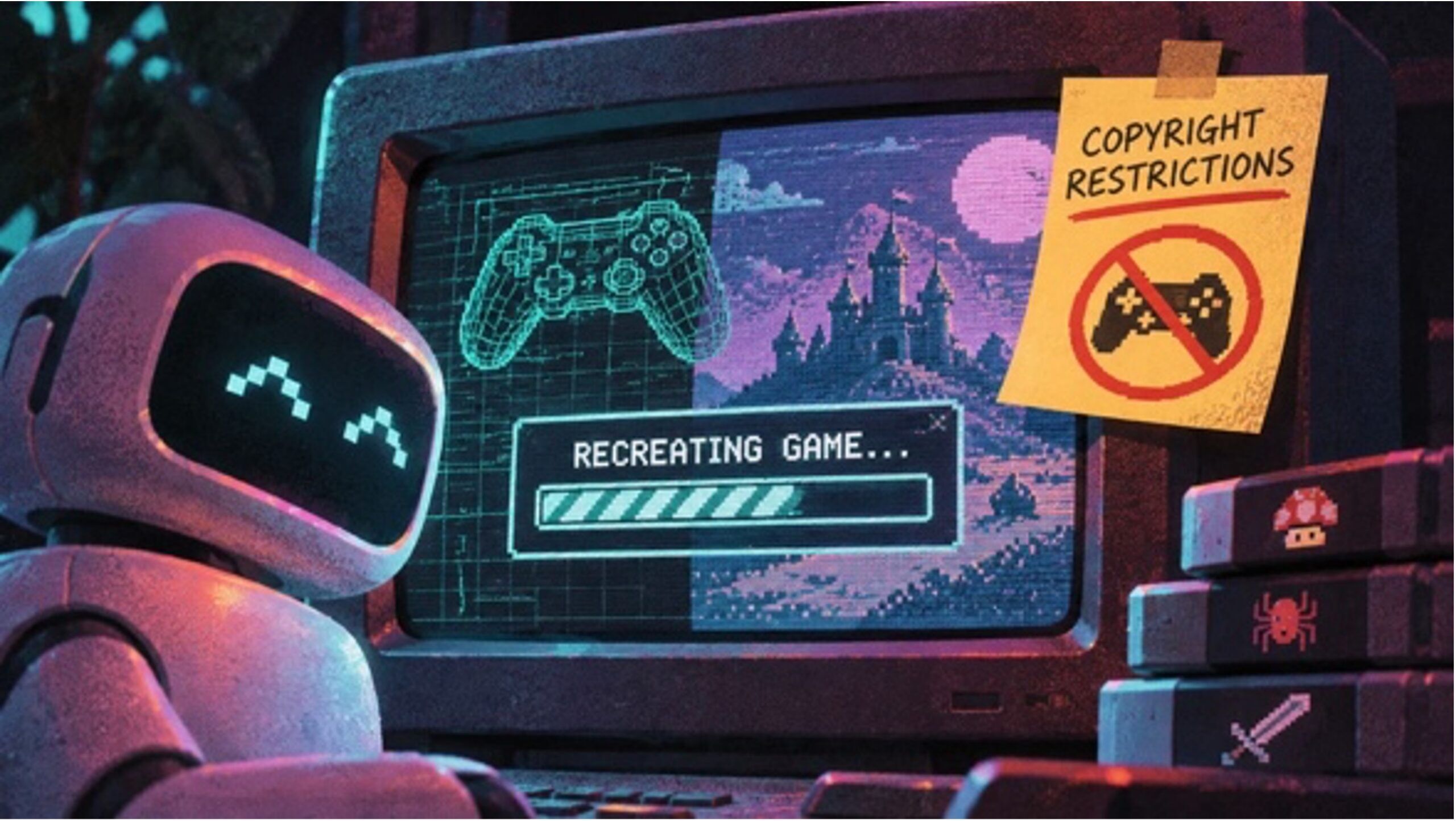
Remember when AI companies were devouring mountains of copyrighted material and calling it innovation? Well, things get a little less exciting when AI starts doing something that threatens the gaming industry itself.
A wave of AI-powered game mashups has gone viral on social media: Mario wandering around Elden Ring, Spider-Man in Gotham! But these aren’t just funny Photoshop edits. Developers are using AI coding tools to reverse-engineer existing games and make all sorts of crazy blends. One of the tools being used for this? Claude.
Anthropic, the company behind Claude, decided to step in. It added new restrictions to Claude Code, telling its Opus 5.5 model not to recreate specific existing games, even if users rename them or pretend they’re original.
The restrictions even started blocking legitimate development and reverse-engineering work, prompting Anthropic to adjust its rules this week. Funny how copyright suddenly becomes a much bigger concern when the technology gets a little too close to home.
THIS MEETING COULD HAVE BEEN A JUMPER

We’ve all sat through meetings that could have been emails. Iceland has apparently decided enough is enough.
Visit Iceland’s AI Knittakers campaign lets you send an actual Icelandic knitter to your next online meeting instead of attending yourself. They’ll listen, observe and knit a one-word summary of proceedings. Think ALIGN, PIVOT or, more realistically, WTF.
It’s a brilliant little dig at our obsession with AI productivity tools, made even better by the fact that there’s nothing artificial about it. Just real people, knitting needles and an admirable disregard for corporate waffle.
But beneath the humour is a clever tourism message. Iceland isn’t selling another spectacular waterfall or Northern Lights experience. It’s selling something we’re all desperate for: time back.
Iceland is inviting us to do less. And frankly, we’re ready to log off.
CHATBOTS GET CUTE
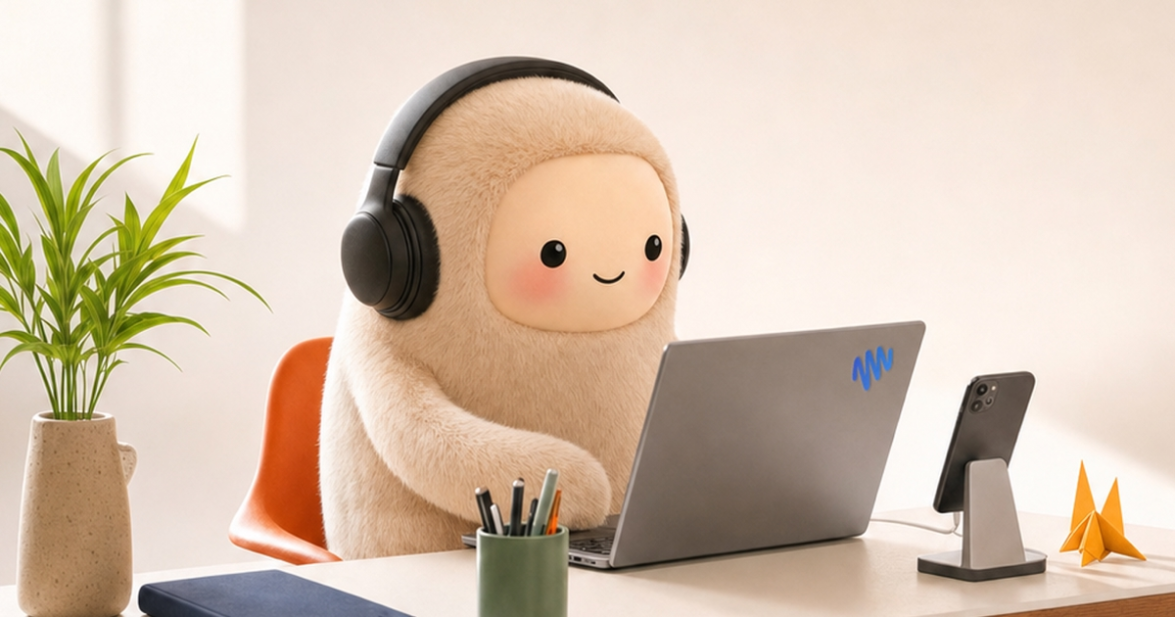
Big Tech has a new strategy for making AI feel less threatening… give it chubby cheeks, a fuzzy body and a cute name.
Meta’s new AI mascot Jolly looks more like a Jellycat than a piece of technology capable of collecting and processing huge amounts of personal information. OpenAI has taken a similar approach with its colourful, customisable “dots”. They’re friendly, playful and designed to make AI feel like a little handbag charm rather than a technology that even the people who make it say is potentially dangerous.
Cute branding isn’t the problem in itself. The question is what it helps us forget.
A recent TikTok showed one person using ChatGPT to turn a screenshot of someone else’s video into a meme. One user responded strongly, telling them to stop putting people through AI without their consent. It might sound dramatic, but they have a point. We’ve become so comfortable uploading faces, screenshots and other people’s content that we rarely stop to ask where that information is going.
This feels even more uncomfortable when children enter the conversation. Google recently announced that schools choosing to switch AI off completely will also lose access to Google Search through student accounts.
So, while AI is being dressed up to appear softer, safer and increasingly child-friendly, the reality might be a little less cuddly.