
In this week’s Our Take: Vinted has us hooked on just one more scroll, Canva lets you erase your ex, AI wants your press coverage and Nike gets sculpted in clay.
SECONDHAND ADDICTION
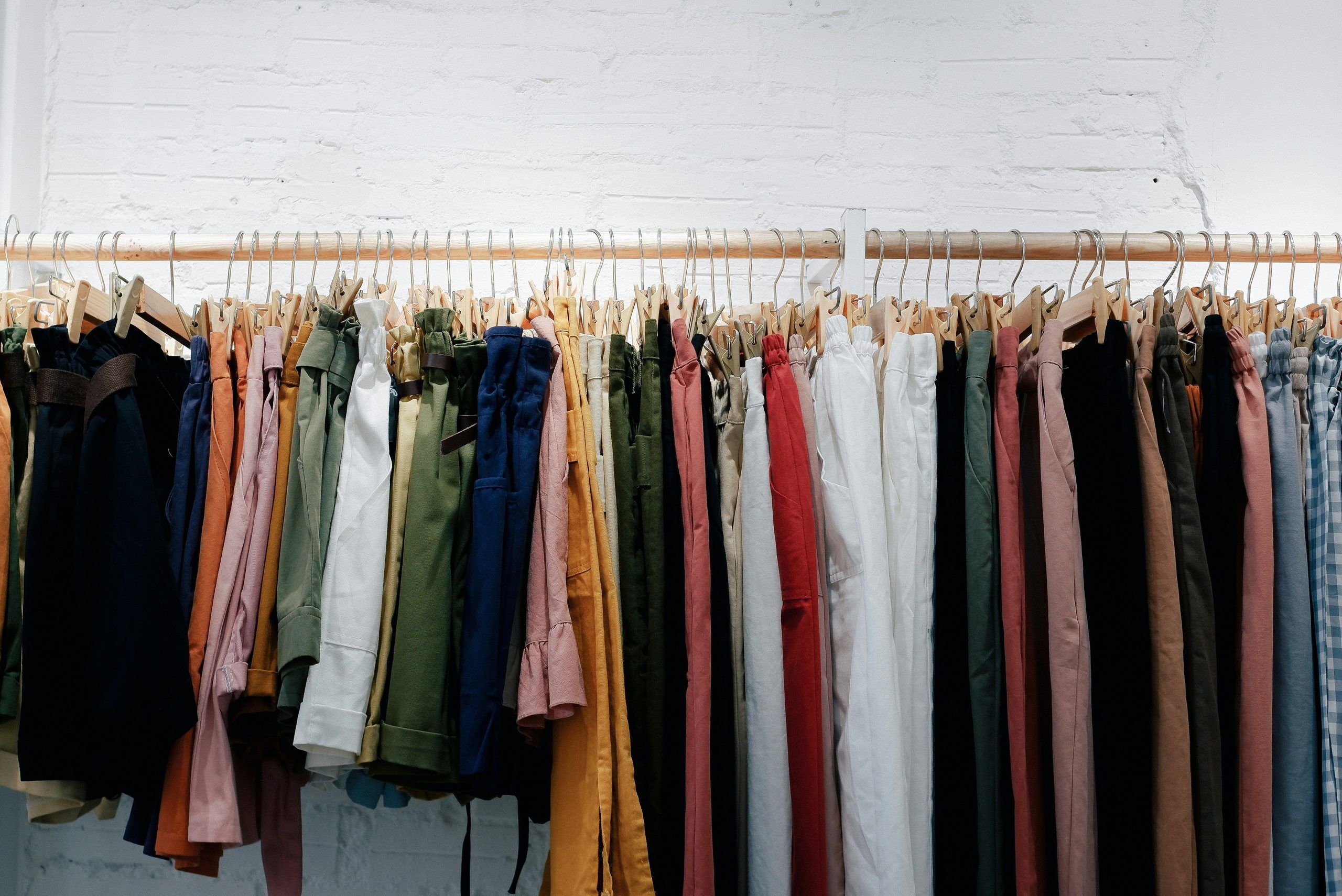
There’s a particular kind of financial maths that only makes sense on Vinted.
“Yes, I bought three jackets, but one of them was only £12.”
The resale app has become one of the UK’s biggest fashion retailers, with some users admitting to spending hours scrolling, refreshing and hunting for the next suspiciously cheap designer find. Apparently, landing a vintage bargain can deliver a high that lasts for days.
Very sustainable. Very normal.
But Vinted has stumbled into something bigger than cheap secondhand clothes. It has turned shopping into treasure hunting. There are rare finds, disappearing listings, bargains to beat someone else to and the small thrill of wondering whether that £20 jacket is secretly worth £200.
The irony is obvious. Resale became popular partly because it offered a more sustainable alternative to constantly buying new clothes. Make secondhand shopping entertaining enough, though, and suddenly you’re just constantly buying old ones instead.
That doesn’t erase the benefits of keeping clothes in circulation. It does make the idea of “conscious consumption” slightly messier.
Anyway, another parcel is arriving tomorrow.
CTRL + ALT + DELETE HIM

Every group chat has heard the words “I’m done with him” at least six times.
Canva knows what happens next.
Its new Erase Your Ex ad follows a woman using Magic Eraser to remove former boyfriends from her photos. Clean break. Fresh start. Emotional growth.
Then one of them texts: “I miss you.”
Straight to Undo.
The best bit is that you don’t really need to see the friend in the ad. You can already hear her typing. Somewhere, a group chat is lighting up with variations of “GIRL NO” while Canva quietly demonstrates two product features in the middle of the drama.
That’s what makes the idea work. Magic Eraser and Undo could make for a fairly dry software demo. Put them inside the universally understood chaos of deleting an ex and suddenly the product behaviour becomes the joke.
It also gives Canva a bit more cultural personality beyond its other important societal role: making a presentation look vaguely respectable five minutes before a meeting.
Deleting your ex is easy. Explaining to your friends why he’s back in the photo may require a different tool.
AI Wants Your Press

For years, marketers wanted one thing: get the brand to the top of Google.
Now there’s another mildly terrifying question to add to the meeting agenda: what does ChatGPT say about us?
As people increasingly use AI tools to research products, compare companies and ask for recommendations, visibility is starting to stretch beyond the traditional search page.
And that puts an old PR favourite back in an interesting position: other people talking about you.
Media coverage, interviews, industry features and credible third-party mentions all create a wider public record around a brand. When someone asks an AI tool what a company is known for, that broader reputation suddenly matters quite a lot.
Which feels strangely full circle.
Brands have spent years pouring money into owned channels where they can control every word, pixel and perfectly approved adjective. AI-driven discovery makes what exists beyond those channels increasingly difficult to ignore.
SEO isn’t disappearing and neither is owned content. But there’s something pleasing about cutting-edge technology reminding everyone of a very old communications principle:
People tend to believe you more when somebody else says you’re good.
PR people, try not to look too smug.
Sportswear Turned ‘Wearable Sculpture’

Some trainers start with a sketch. Melitta Baumeister started hers with a lump of clay.
The New York-based designer has teamed up with Nike on a collection that takes familiar sportswear shapes and gives them a fairly dramatic architectural makeover.
The star is the Nike Rift Rocker, a reworking of the Air Rift with an exaggerated sole that Baumeister originally modelled by hand in her studio. The clay experiment eventually became something you can actually wear, complete with textured uppers, custom Swoosh detailing and Baumeister’s signature eye motif.
And she didn’t stop at the feet. There’s a sculptural track jacket with asymmetrical zips and a removable balaclava, oversized puffers and trousers carrying the same slightly alien proportions.
Fashion collaborations can sometimes amount to a new colourway, a logo swap and a very serious launch dinner. This feels more interesting because Baumeister has been allowed to properly mess with the product.
Nike’s sportswear becomes raw material rather than sacred object.
Which, considering the trainer started life as a piece of clay, feels appropriate.