
In this week’s Our Take: SKIMS calendar is Sub-par, science-fiction skincare, James Blunt is so good at marketing it makes us sick and disconnecting is a product now.
12 DAYS OF TAKING THE PISS
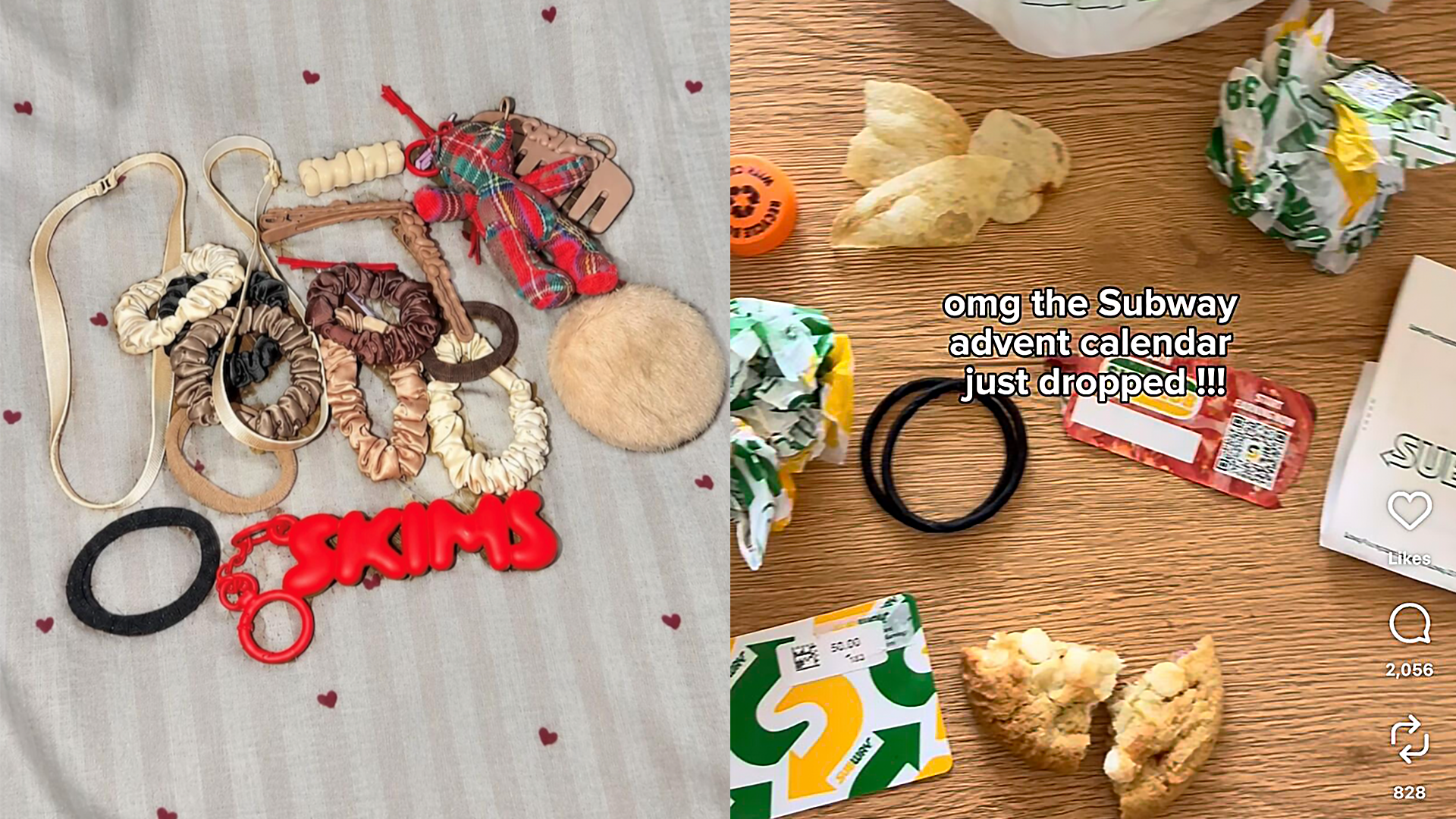
Six bobby pins. Four keyrings. Two headbands that looked suspiciously like bra straps.
A decent haul if you’re rummaging behind the sofa. Less so if you’ve just spent $148 on the SKIMS advent calendar.
The joy of the viral unboxings was watching people open each door genuinely believing the good stuff had to be coming next.
More bobby pins.
Then the brands piled in. Subway made its own calendar filled with half-eaten crisps and used napkins. Tide threw in socks and dryer sheets. Aldi went for the sort of rubbish you’d find at the bottom of a shopping basket before reminding everyone that its own advent calendars don’t “skimp”.
And that’s why the reactive worked. They weren’t desperately inserting themselves into a trending conversation; they were laughing at exactly the same thing everyone else was.
Good reactive social doesn’t just spot the meme. It adds another punchline.
Although when Subway is making the more convincing argument about luxury gifting, it might be worth checking what’s behind door number one.
ARRAKIS GETS A MOISTURISER
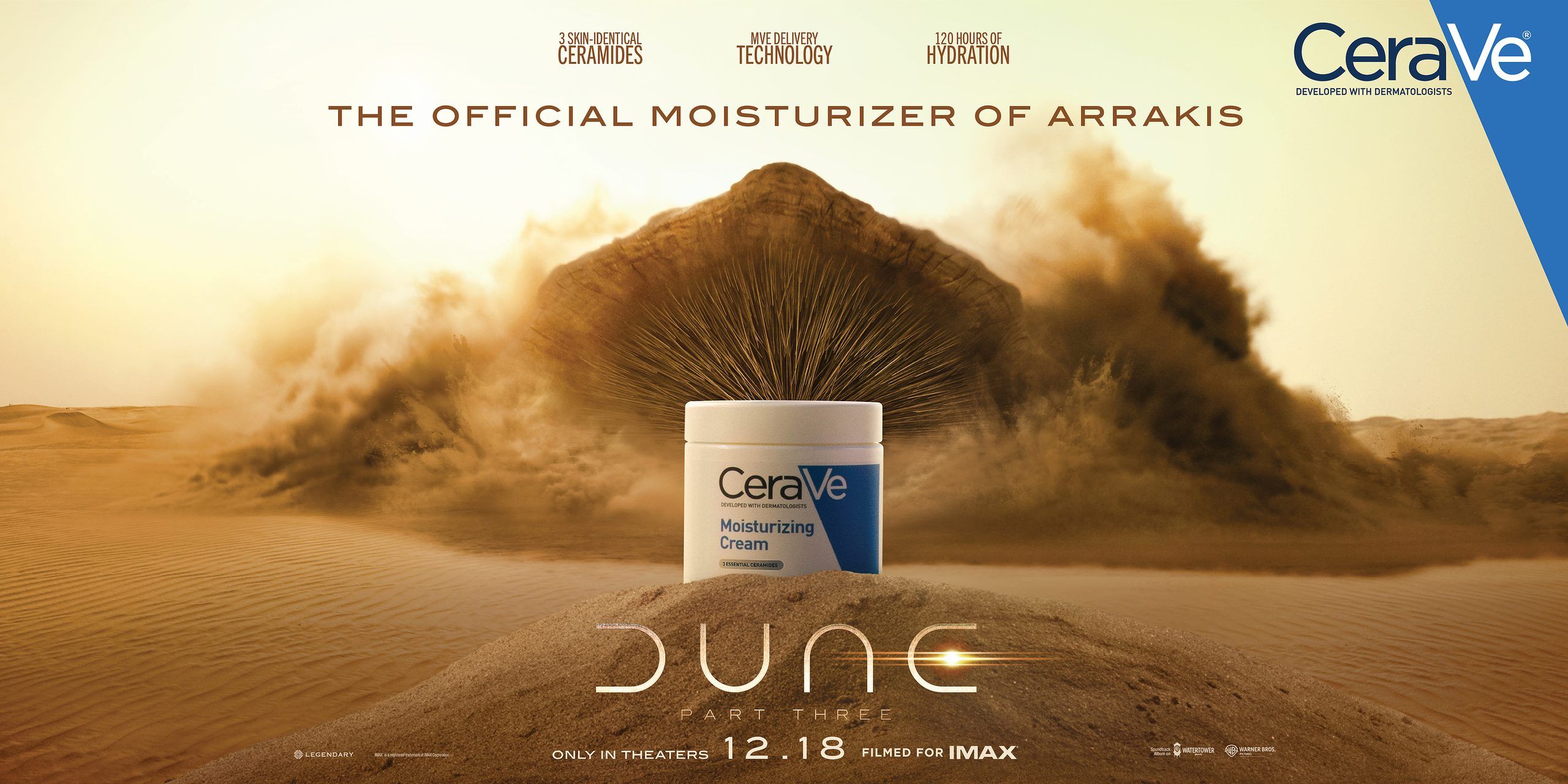
Skincare x sci-fi sounds like the sort of brand partnership you’d get from spinning a very large marketing wheel. Except this one makes annoyingly perfect sense.
CeraVe has become the “Official Moisturizer of Arrakis” for Dune: Part Three, bringing its Moisturizing Cream into one of cinema’s driest possible environments.
That’s basically the whole joke – and why it works.
Rather than just sticking CeraVe next to a giant sandworm and calling it a collab, the brand has made its actual product benefit part of the story. Social films turn hydration into a precious Arrakis resource while conveniently giving CeraVe’s new up-to-120-hour hydration claim a blockbuster-sized setting.
The best partnerships tend to have a one-line reason for existing. This has one: desert planet, dry skin.
It’s strange enough to make you stop, but logical enough that you don’t have to squint to understand why the two brands are together.
BLUNT’S SICK STUNT
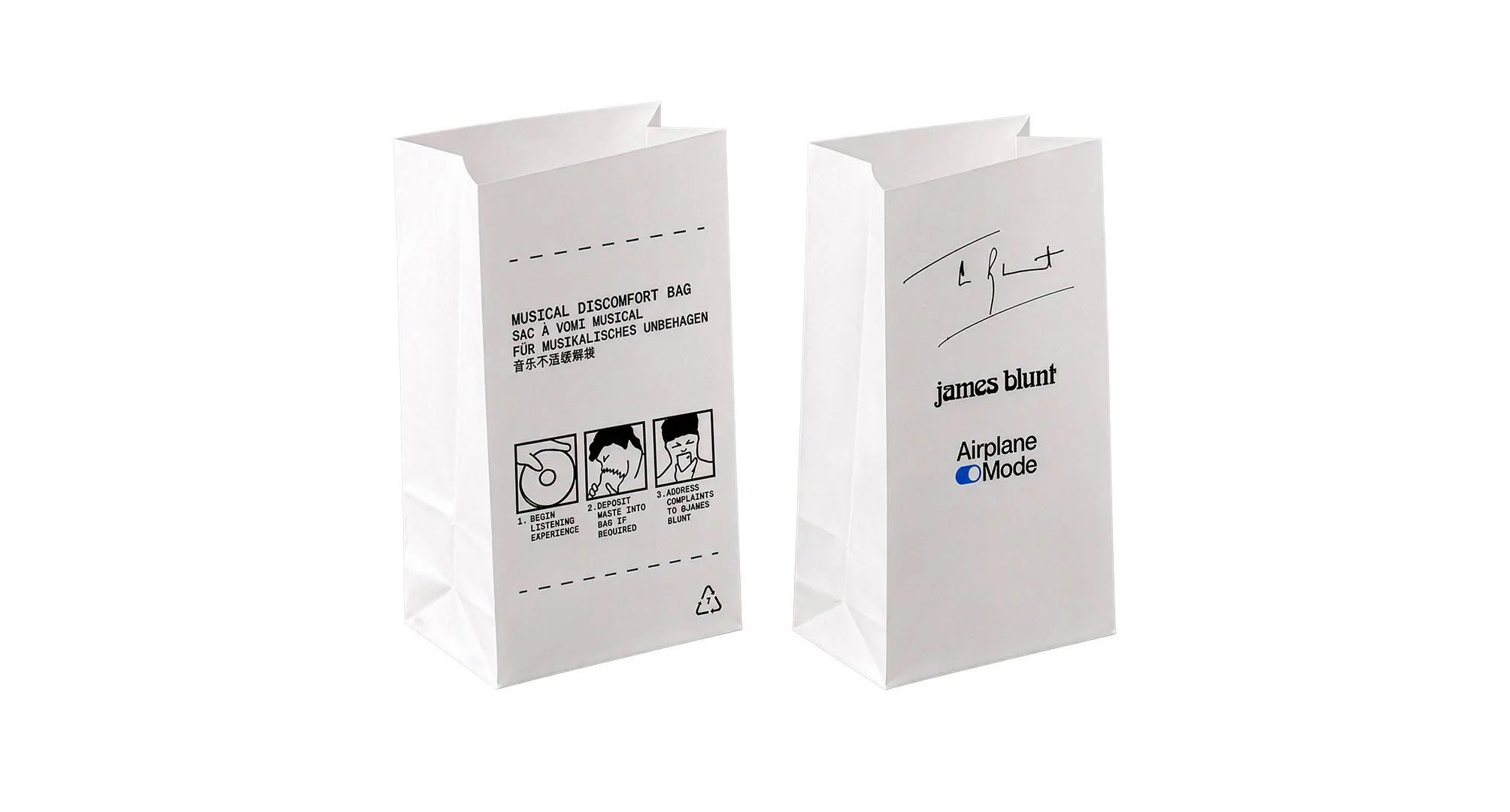
James Blunt has spent the best part of two decades being told his music makes people feel sick. Naturally, he’s decided to make merchandise out of it.
The singer is bundling his new album Airplane Mode with a signed sick bag, giving fans (and perhaps a few unwilling listeners) something to remember the occasion by.
If you’ve ever come across James Blunt on social media, you’ll know this is fairly on brand. The man has built an entire online personality out of getting to the punchline before his critics do.
What’s particularly funny about the whole thing is that someone, somewhere, had to sit down and sign a pile of sick bags in the name of promoting an album.
Blunt knows exactly what people say about him and is quite happy to give them something else to talk about. After all, whether you’re laughing with him or at him, you’re still talking about his new album. And as the old saying goes, there’s no such thing as bad publicity. Whether the sick bag will become a sought-after collector’s item remains to be seen.
At the very least, it’s a thoughtful addition for anyone who’s been subjected to ‘You’re Beautiful’ at a wedding one too many times.
LOGGING OFF IS THE NEW WELLNESS FLEX
We spent years buying technology to keep us connected. Now we’re buying technology to get us off technology. Progress?
According to Dazed’s look at the growing offline wellness economy, cutting screen time has overtaken reducing alcohol and smoking among Americans’ wellness goals in one recent survey, while searches for Brick – a device that physically blocks distracting apps – surged 250% over the past year.
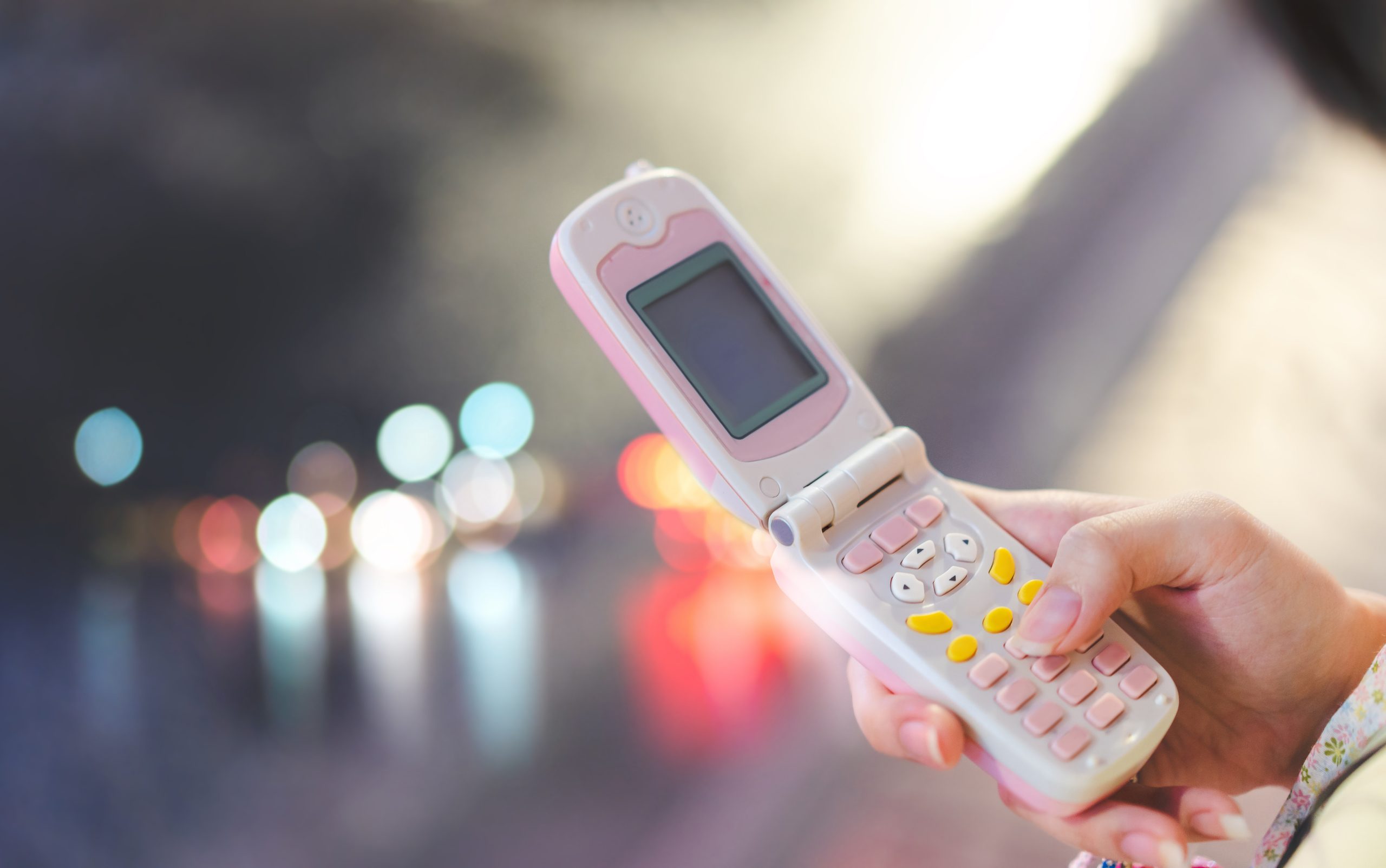
Then there are dumb phones, app blockers, phone lockboxes and even apps that make you walk before they’ll let you scroll.
Our screen time is essentially becoming the new step count: another number to monitor, optimise and feel vaguely guilty about.
The interesting bit is the business springing up around it. Our attention has become so difficult to protect that we’re now willing to pay for products whose main selling point is giving it back to us.
A wellness category built around buying things that help you use fewer things. Very 2026.