
In this week’s Our Take: AI loves PR, Gen Z takes hobbies seriously, how humans are navigating an AI world and a swimmer warns about the environmental consequences of war.
PR VITAL IN AGE OF AI

There’s been lots of chatter around “AI taking over the world of PR”, and it’s fair to say not everyone in the industry is filled with excitement when it comes to the topic. But what if AI is actually doing PR a favour? As more people turn to AI tools to discover brands, find recommendations and decide what to buy, earned media could be becoming more valuable than ever.
And why is this, you may ask? Well, when someone asks ChatGPT to recommend a hotel, suggest a fashion brand or compare products, AI tools are increasingly using independent publications, review sites and other third-party sources to shape their recommendations. In other words, what other people are saying about your brand matters… quite a lot!
Research by Omniscient Digital found that earned media accounted for 48% of AI citations on branded searches, compared with just 23% for content published directly by brands. StudioData’s research backs this up, finding that one in five pieces of PR coverage was already being cited in AI answers.
StudioData also found that guides, gift lists, round-ups and awards generated more than 80% of AI citations, while fewer than one in ten news and launch stories made the cut. So, it appears that a clever gift guide placement could be doing the heavy lifting as opposed to a hefty press release when it comes to this. More than half of citations also came from articles published over six months ago, so that gift guide or product round-up you secured today could still be popping up in AI answers well into next year!
For us PR professionals, there may be an exciting opportunity here. These findings could mean that the value of a good piece of coverage doesn’t necessarily stop in the days after an article goes live. The right story, in the right publication, can keep building credibility and helping people discover a brand long after the campaign has wrapped.
So, is AI really coming for our jobs? It might change a few things along the way, but it could also be giving PR one of its strongest arguments for value yet. AI can generate answers all day long, but it still needs credible sources to back them up. And getting brands into those conversations? Well, that’s something we don’t plan on stopping anytime soon.
GENZ AND THE SIDE QUEST

Going to a pottery class, taking a dip in the sea or heading off on a spontaneous day trip? Congratulations, you’re officially side questing.
The Gen Z trend sees young people borrowing traditional gaming terminology to describe little adventures outside of their everyday routines. There are even dedicated websites and card games offering hundreds of ‘side quest’ ideas, from striking up a conversation with a stranger to learning how to make pasta from scratch.
Arguably, we’re just gamifying the lost art of simply having a hobby. But if that’s what it takes to get Gen Z off that bleedin’ phone, is it really such a bad thing?
Somewhere along the way, hobbies became something we felt we had to be good at, make money from or post about. There’s something quite lovely about a generation rediscovering the joy of doing something for absolutely no reason other than the craic. It’s worth brands paying attention to this, too. While everyone’s fighting for a few seconds of attention on TikTok, perhaps the bigger opportunity lies in giving people something genuinely fun to do with their Saturday afternoon.
WALKING CONTRADICTIONS: WHAT MAKES US HUMAN?
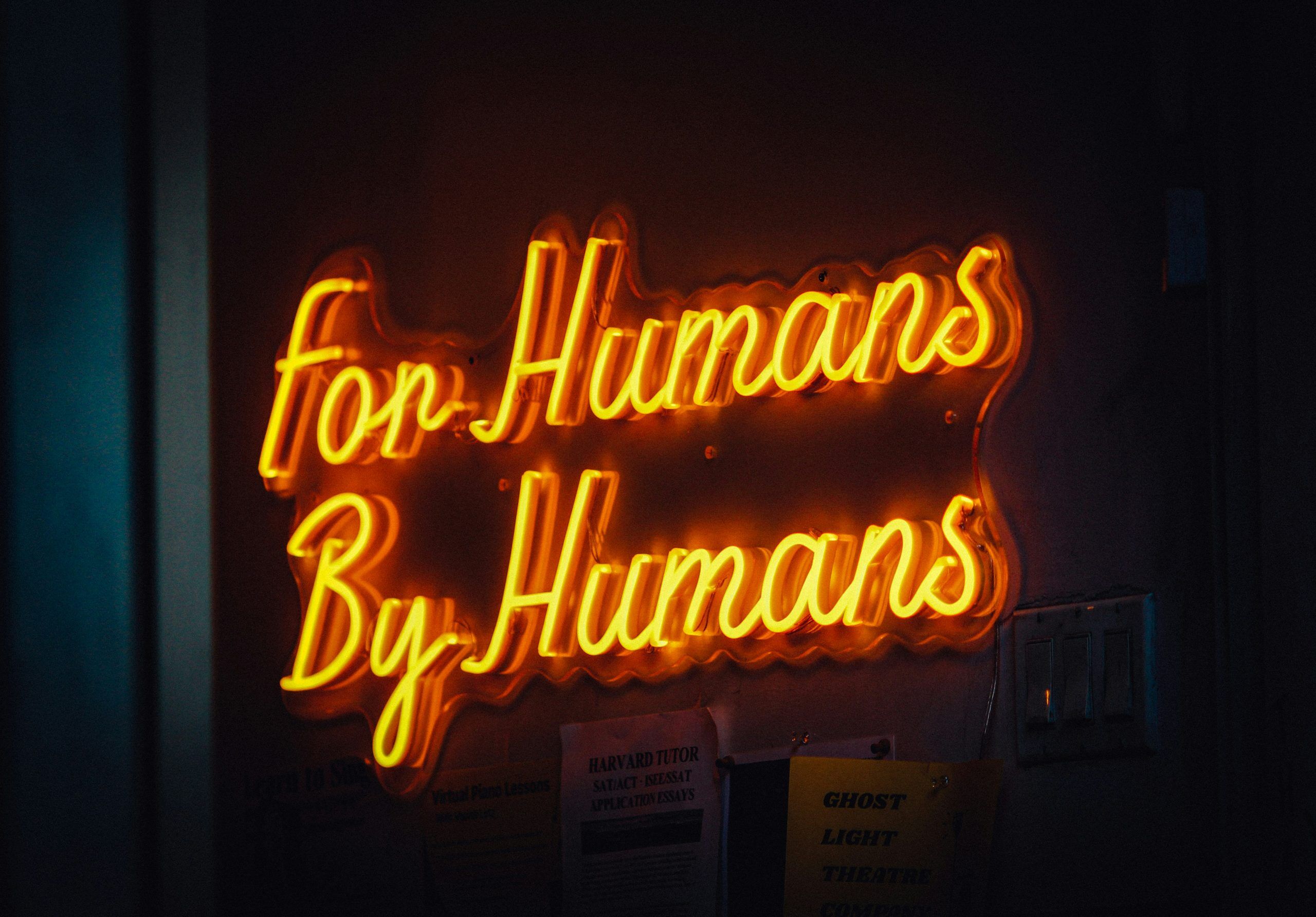
Accenture’s Life Trends 2027 report, aptly titled Walking Contradictions, surveyed 28,000 consumers across 26 countries to explore how our attitudes and behaviours are evolving in an increasingly uncertain world.
What emerges is a fascinating picture of people trying to embrace progress without losing what makes us human.
60% of Gen Z think brands using AI to create content look lazy, careless and cheap, while half of consumers feel their social media feeds are becoming irrelevant. Social is feeling decidedly less social.
Meanwhile, local identity is becoming increasingly important. Some 62% of consumers believe they can tell when a brand genuinely understands culture versus when it’s pretending to. Food for thought for brands operating in Ireland, where local talent, communities and cultural identity are such rich territories.
Elsewhere, medical advancements are giving people renewed hope about their health, while AI is helping people find new ways to make money beyond the traditional nine-to-five.
And despite our collective obsession with living better, there’s a growing exhaustion with constantly trying to become better versions of ourselves.
All in all, it’s saying that making life a little more enjoyable might be more valuable than promising to optimise it. Check it out here.
A NEW LENS ON HORMUZ

We’ve spent much of the year hearing about the Strait of Hormuz. We know its significance to global trade, its influence on the price of oil and the political tensions surrounding it. But how many of us could describe what lives beneath its waters?
Endurance swimmer and UN Patron of the Oceans Lewis Pugh recently spent three days swimming 15km through the Strait to draw attention to one of the lesser-documented consequences of war: its impact on the natural world.
At one point, a nearby oil tanker was hit, with Pugh recalling feeling the ocean rock around him from the explosion. Remarkably, he describes the Strait as one of the most beautiful places he’s ever visited.
Beyond the tankers and shipping lanes lie Oman’s dramatic fjords, coral reefs, mangrove forests and waters inhabited by everything from sea turtles to dugongs. An extraordinary ecosystem that barely features in our collective understanding of the region.
Pugh warns that the environmental damage could outlast the conflict by decades. He’s calling for an end to the fighting, the reopening of the Strait and a clean-up of the pollution left behind.
A cause worth standing behind!