
In this week’s Our Take: Boots tackles hygiene poverty, the tradwife hustle, a meaty new brand takes its first steps, and holy guacamole!– this avocado pays the rent.
BOOST IN A BAG
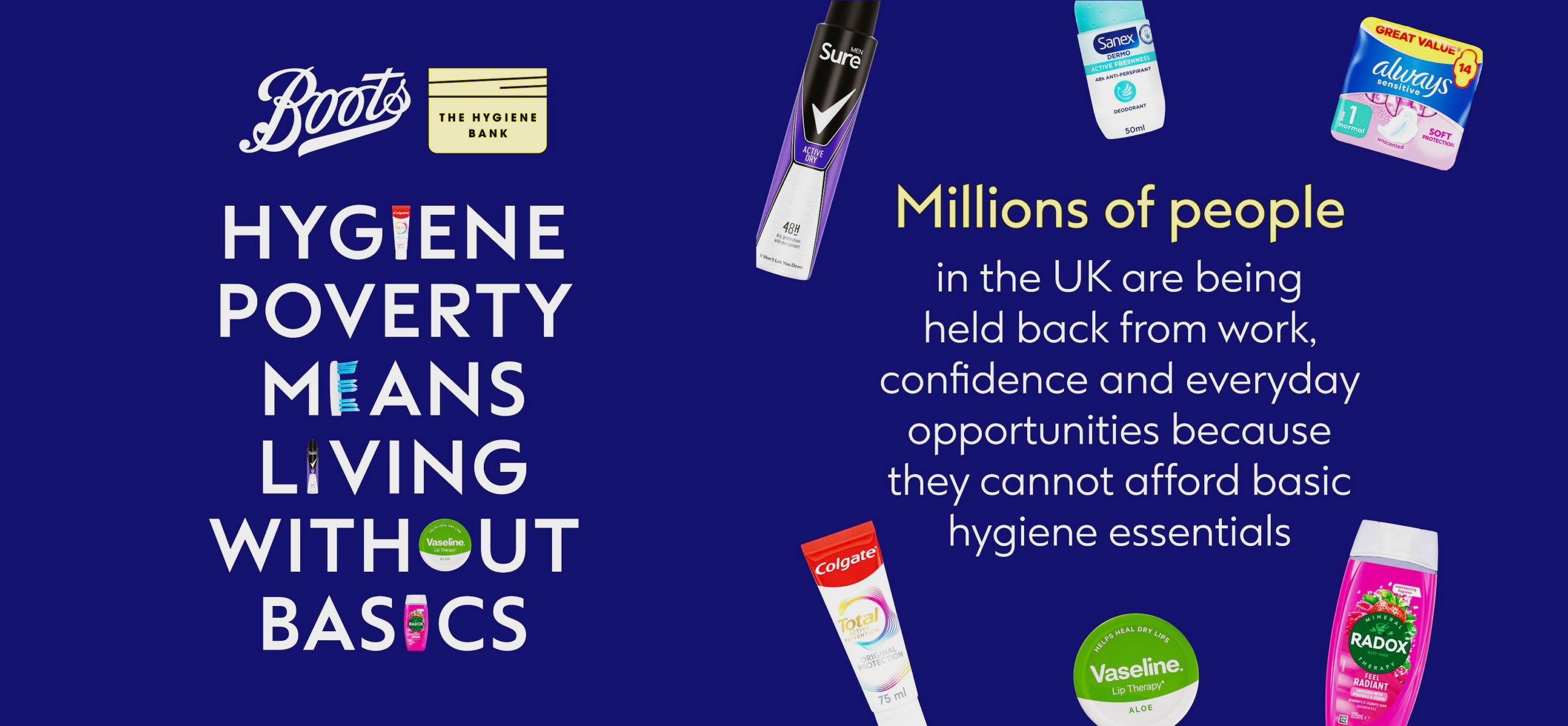
It’s easy to think of first impressions as confidence, charisma or having the right answers. Boots’ latest campaign is a reminder that, for many people, it starts much earlier than that.
Teaming up with The Hygiene Bank, Boots is giving away 15,000 “First Impression” washbags, helping young people experiencing hygiene poverty feel more prepared for interviews and the world of work. First Impression shines a light on hygiene poverty by providing interview washbags with essentials like deodorant, shampoo, a dental kit and shower gel for free for young people entering the workforce. It’s a simple idea, but one that highlights a much bigger truth: something as ordinary as deodorant or toothpaste can be the difference between walking into an interview feeling confident or not showing up at all.
What we like most is that Boots doesn’t rely on shock tactics or guilt. Instead, it reframes hygiene products from everyday purchases into tools that can unlock opportunity. The campaign was brought to life through a public installation of oversized washbags on mannequins, turning an everyday item into a visual reminder of the role basic hygiene products can play in opening doors to employment. It’s a smart reminder that purpose-led campaigns are often at their strongest when they make an invisible problem feel impossible to ignore, while offering a tangible way to help solve it. Something that many of us take for granted can be so significant in helping someone along the right path and in a dignified way.
GIRLBOSS, GATEKEEP, TRADWIFE
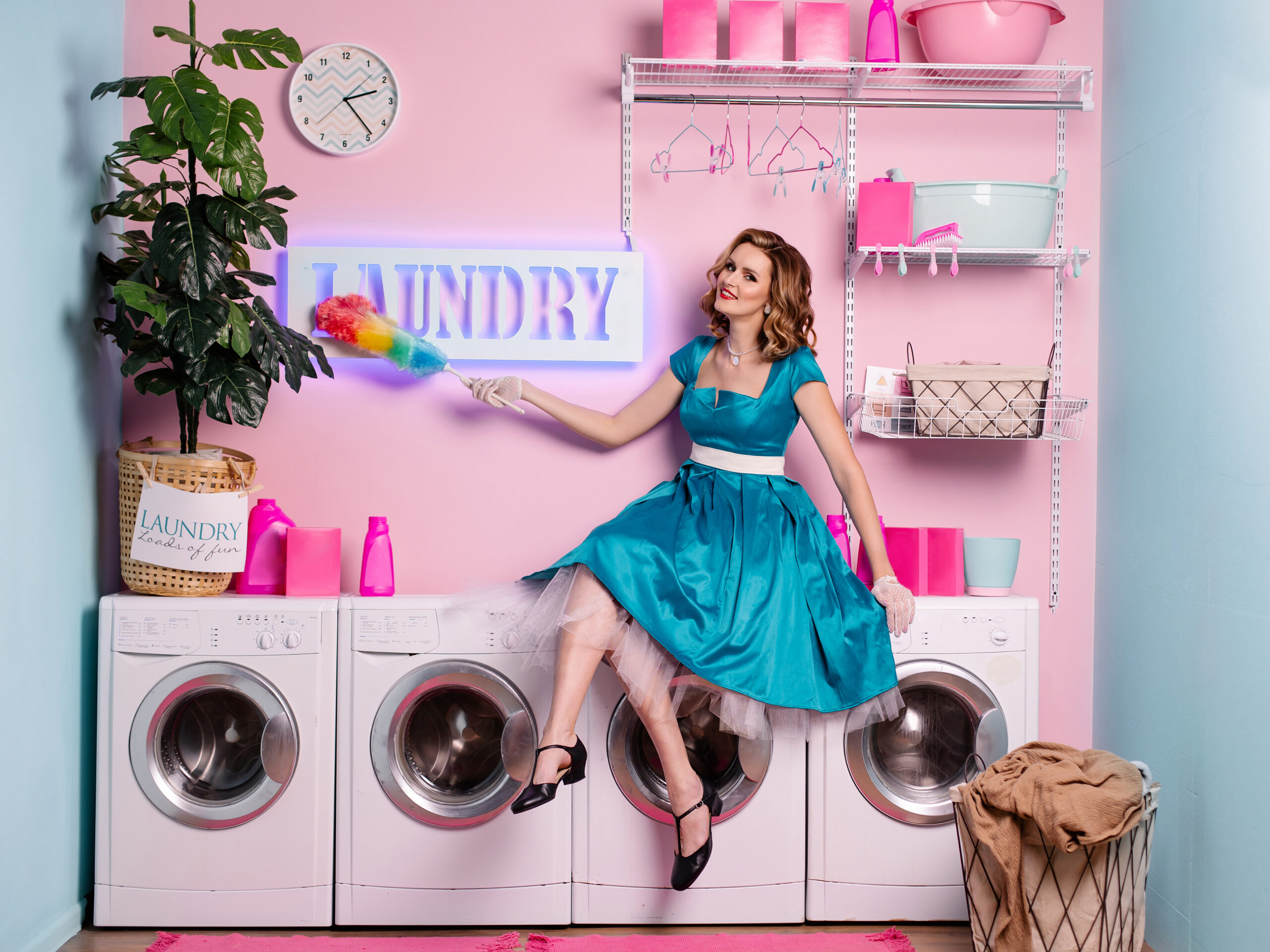
Open TikTok and you’ll probably meet two completely different women within ten seconds.
The first has already been to Pilates, answered emails, journalled, squeezed in a side hustle and somehow managed a “5–9 before my 9–5”. The second is quietly baking sourdough in a linen dress, making vanilla extract from scratch and serving dinner on handmade pottery.
The funny thing is, the algorithm doesn’t see these as opposites. They live happily side by side.
The rise of the tradwife aesthetic has often been framed as a reaction to hustle culture, and it’s easy to see why. After years of girlboss mantras, productivity hacks and treating burnout like a badge of honour, slower mornings and homemade bread suddenly feel less like nostalgia and more like escapism.
But calling it a return to traditional values misses what’s really happening.
Many of the women most closely associated with “tradwife culture” don’t even identify with the label. Nara Smith has repeatedly distanced herself from it, despite becoming its most recognisable face. Ballerina Farm built an audience around rural family life, while quietly building a hugely successful business. Rabeya Khatun‘s beautifully curated cooking videos borrow many of the same visual cues without subscribing to the ideology.
Perhaps that’s the biggest contradiction. Behind many of these soft-focus, slow-living accounts sits a highly disciplined content operation, brand partnerships, product launches and a publishing schedule that would make most startups sweat. The “simple life” is often a very sophisticated business.
Maybe the story isn’t about tradwives at all. It’s about how we consume identity online. Girlboss. Clean girl. Tradwife. Cottagecore. They’re less like belief systems and more like wardrobes. You don’t have to commit to one; you can try each of them on between scrolls.
BRANDING. WITH LEGS.
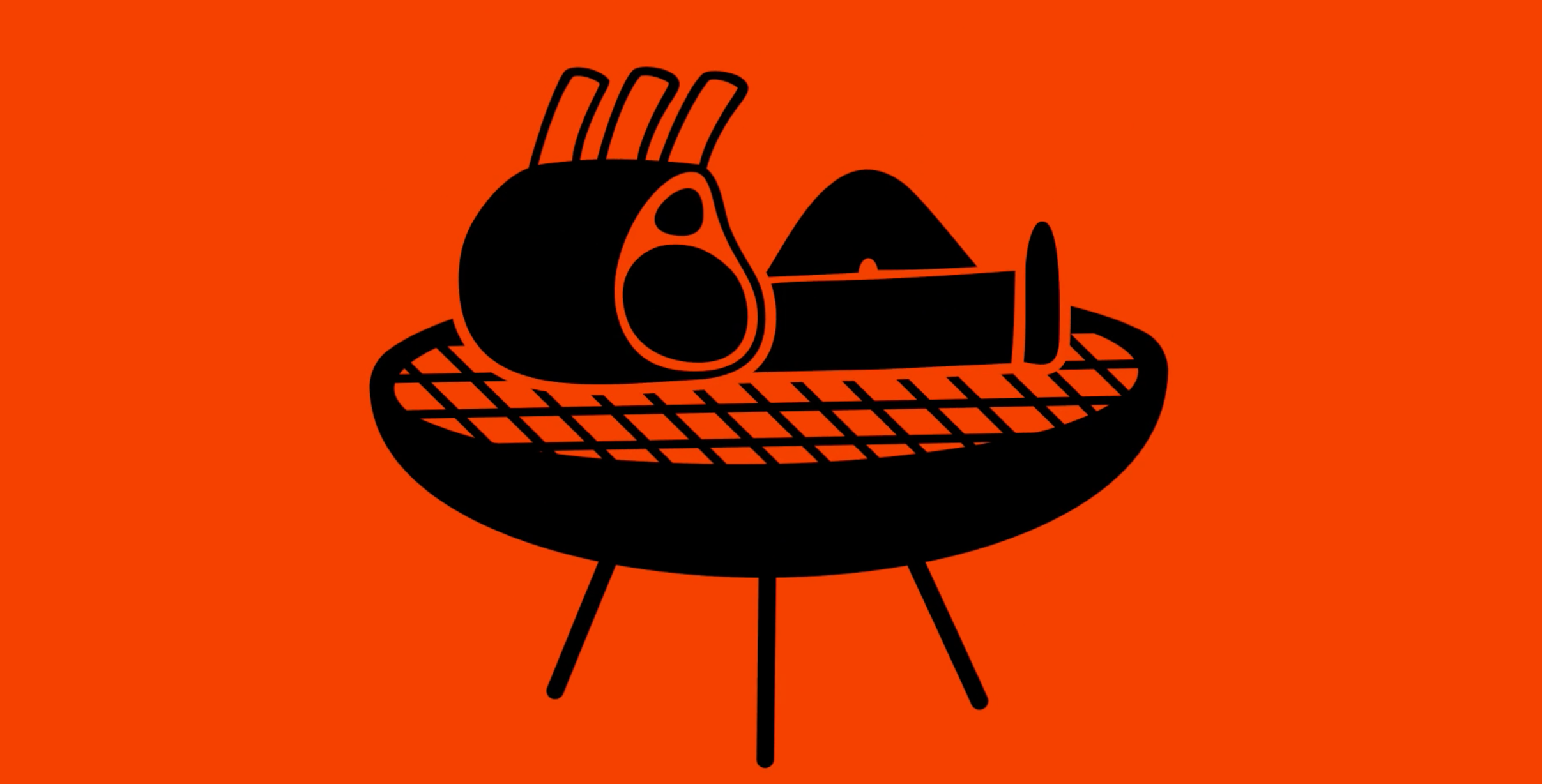
Ellis Butchers’ identity turned a traditional category into something genuinely fresh, without losing what makes people trust a butcher. Nick Ellis acquired two long standing shops at once, one in Blackheath Village and one in Blackheath Standard, and wanted both to belong to one premium parent brand.
The category usually leans on the past: vintage engraving, gold leaf, livestock silhouettes, cut charts. Studio Blackburn ruled all of that out immediately for being the path of least resistance, choosing instead a flat, graphic identity: bold sans serifs, sharp and structural rather than decorative, paired with solid color blocks instead of texture. It reads closer to a modern app than an old shopfront sign.
Then there’s the legs. Anthropomorphic objects with limbs have a long lineage: the Michelin Man began as a stack of tires imagined as a man in 1894, Mr. Peanut got his arms and legs from a 14 year old’s contest drawing in 1916, M&M’s got eyes and limbs to make candy feel relatable, and the Kool-Aid Man became a giant walking pitcher in 1974. All single mascots, one face carrying the brand. Ellis Butchers, on the other hand, put legs on every cut of meat, led by a figure called Meat Ellis, spiraling one idea into a whole cast rather than a lone icon.
Across the two shops, the same idea flexes. The Village earned the right to keep its historic architectural soul and traditional green tiling, while the Standard is pitched as the younger, more contemporary sister with bold lettering and vibrant orange, yet both speak the same flat, legged, systemized visual language underneath. Heritage and modernity and legs.
Next time you are in Blackheath, you should arrange a meating.
THE AVOCADO THAT PAYS THE RENT
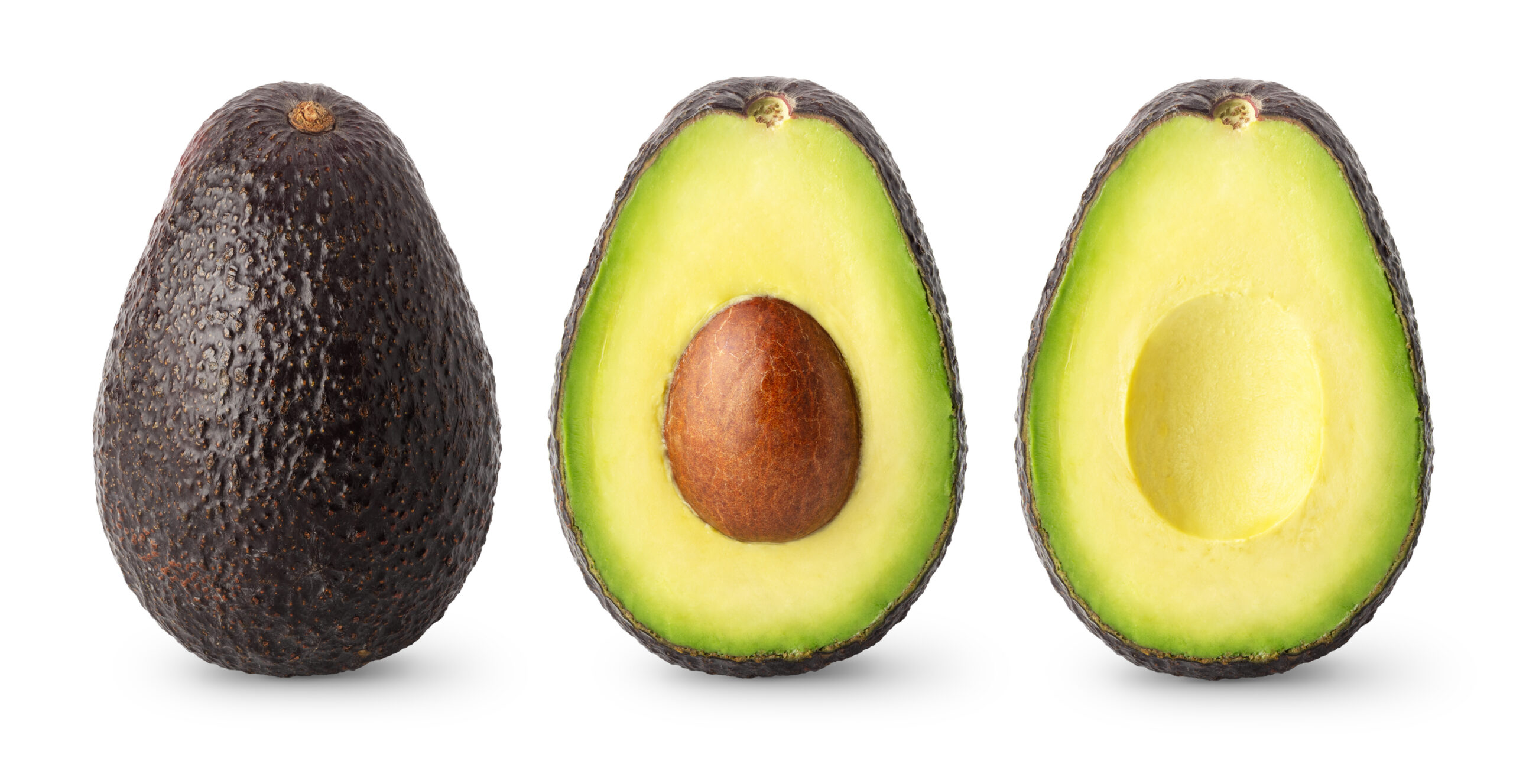
Remember when they told us to stop buying avocado toast if we wanted to own a house? Turns out Taco Bell was listening.
The fast-food chain’s latest campaign in Spain, called Guacabono, takes one of the internet’s longest-running millennial and Gen Z jokes and flips it on its head. Buy a Guacamole Chicken Burrito and you could win up to a year’s rent. Suddenly, avocado isn’t the reason you can’t afford a home – it’s your best shot at paying for one.
The campaign works because it doesn’t invent a conversation; it borrows one that’s been simmering for years. Rising rents, impossible house prices and the cost of simply existing have become a strange form of online bonding. Financial anxiety has evolved into meme culture, where self-deprecating humour often feels more honest than another think piece on inflation.
That’s a space brands are increasingly learning to navigate. The temptation is often to arrive with purpose-led messaging or earnest promises to “support” consumers through difficult times. Taco Bell does something simpler. It joins the joke.
There’s confidence in that. Rather than pretending a burrito can solve the housing crisis, the campaign leans into the absurdity of the comparison. It trusts people to get it.
Perhaps that’s the lesson. The strongest cultural ideas rarely begin in a brainstorm. They begin in the group chat, the comments section or the meme everyone keeps sending back and forth.
Sometimes relevance isn’t about starting the conversation. It’s about knowing exactly when to jump in.