

In this week’s Our Take: vintage threads spin gold for locals, pizza steps up at music festivals, older runners keep going, and brands are discovering that effort makes a difference.
ONE MAN’S TRASH IS ANOTHER’S NEW FIT
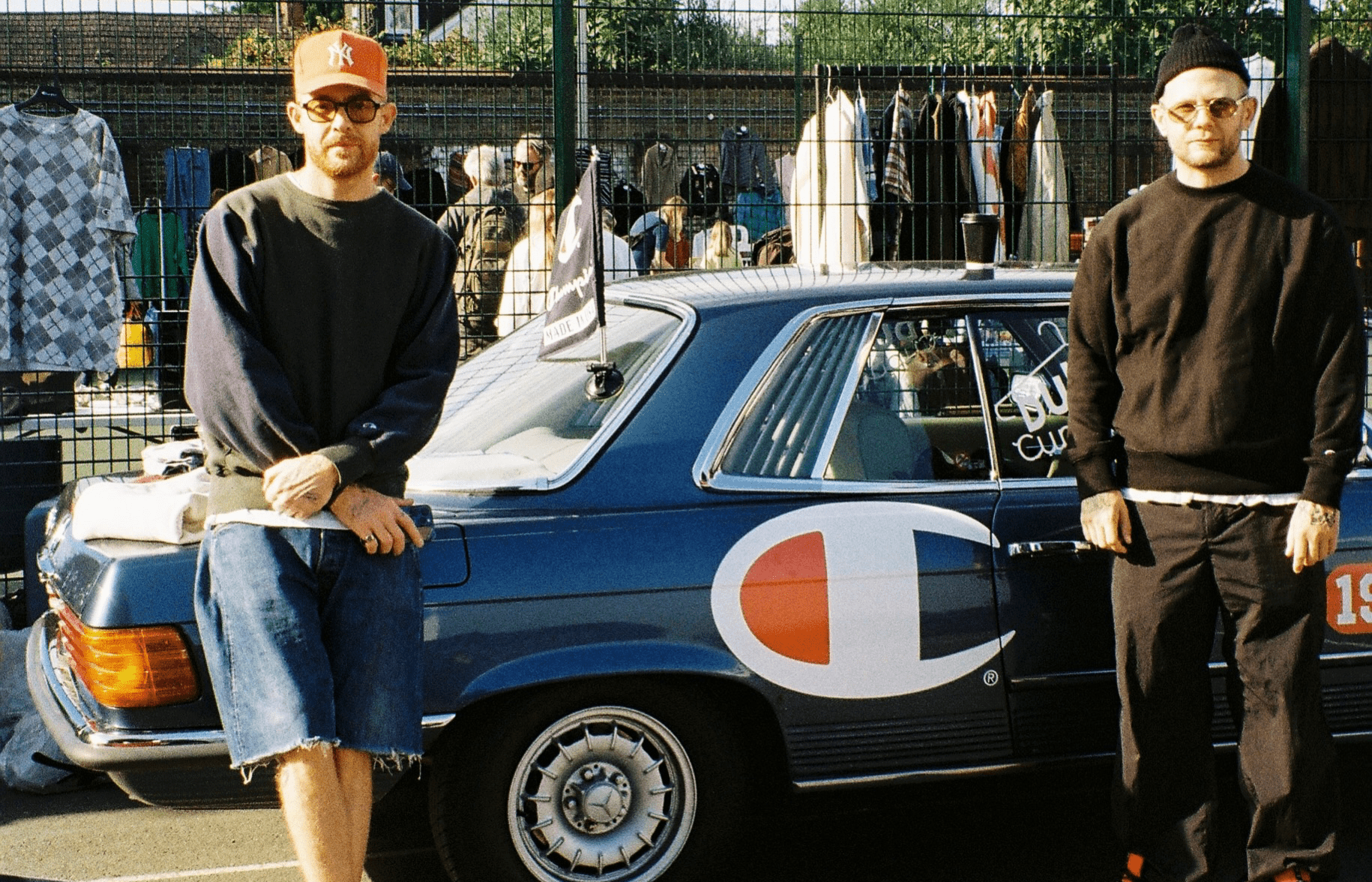
Champion is digging into its archives and taking rare vintage pieces to two London car boot sales, with prices starting at just £10. Partnering with vintage retailer Duke’s Cupboard and London artist SICKDAN, the brand is bringing archive finds and one-off custom pieces directly to Leyton and Peckham, with all proceeds supporting local community organisations.
While plenty of brands have jumped on the vintage bandwagon, this feels like a natural fit for Champion. Instead of placing its archive behind glass or hiding it inside an overly polished pop-up, the brand is bringing it right to the place where the thrill of finding a hidden gem already exists.
It taps into what younger shoppers value: individuality, affordability and style. Better still, the money raised stays within the communities hosting the sales, giving the activation a purpose beyond circulating old stock.
Champion isn’t trying to reinvent car boot culture or position itself at the centre of it. It is simply showing up in the right place alongside some genuine characters, with something people genuinely want. Sometimes the smartest brand activation is knowing when you already belong.
Everyone loves a rummage. Champion has simply made sure there is something worth finding.
SEEING THINGS FROM A DIFFERENT SLICE
There are few concert experiences more humbling than spending €70 on a ticket and two hours watching the back of someone else’s head.
Pizza Hut Ecuador has decided to intervene.
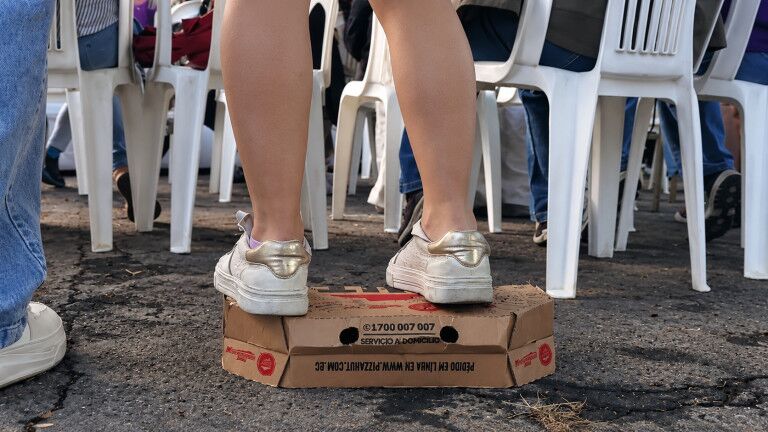
Its new Pizza Platform turns the humble pizza box into a tiny step for shorter concertgoers. Finish the pizza, unfold the box, stand on it and gain just enough extra height to finally see the stage.
Very glamorous. Extremely useful.
The charm is in how little explanation it needs. No app, no sign-up journey, no QR code leading to a branded microsite nobody asked for. Just a familiar object redesigned around a familiar irritation.
And anyone who has been wedged into a packed gig knows the irritation. The constant side-step. The optimistic lean. That brief moment when you find a perfect gap between two shoulders, only for somebody six foot four to move directly in front of you.
Pizza Hut has found its way into music culture by paying attention to the actual experience of being there. Food is already part of the ritual around gigs, festivals and late nights, so the box becoming part of the night itself feels surprisingly natural.
GOING THE DISTANCE

Running has somehow become one of the most administratively demanding hobbies on earth.
There are watches measuring recovery scores, electrolytes for every conceivable occasion, ice baths, saunas, gels, protein targets and enough performance data to make a Formula 1 team nervous.
Altra has gone looking in the opposite direction.
The American running brand has created The Legacy Team, described as Britain’s oldest running team. Its four members are aged between 75 and 85, with a combined age of 321. Among them: Britain’s fastest octogenarian over 5km, a runner holding 204 age-category parkrun records and the oldest British Asian woman to complete this year’s London Marathon.
They’ve earned the right to offer a little perspective.
Altra’s research found the average British runner gives up at 39, with one in three former runners citing injury. So instead of another campaign obsessed with shaving seconds off a PB, the brand is looking at what helps people keep running for decades.
Peter Giles, 82, provides perhaps the most refreshing example. His post-run routine has been known to involve a coffee and a cigar, while younger runners are busy calculating electrolyte ratios and scheduling cold plunges. Sports science may have a few notes, but Peter is still running.
Their experience is now being collected in The Long Run, a free book sharing the habits and lessons they’ve picked up along the way. Rankin has photographed the team as athletes first, rather than treating their age as the novelty.
It lands at an interesting moment. Wellness culture has become increasingly obsessed with optimisation, while longevity has become an industry in itself. Four people quietly clocking up miles into their eighties offer a slightly less complicated proposition.
ARTS AND GRAFT
“I could do that.” The unofficial soundtrack to a modern art gallery. Now “AI could do that” brings the same scepticism to our lives. When the effort isn’t obvious, we’re quick to question the value of what we’re seeing.
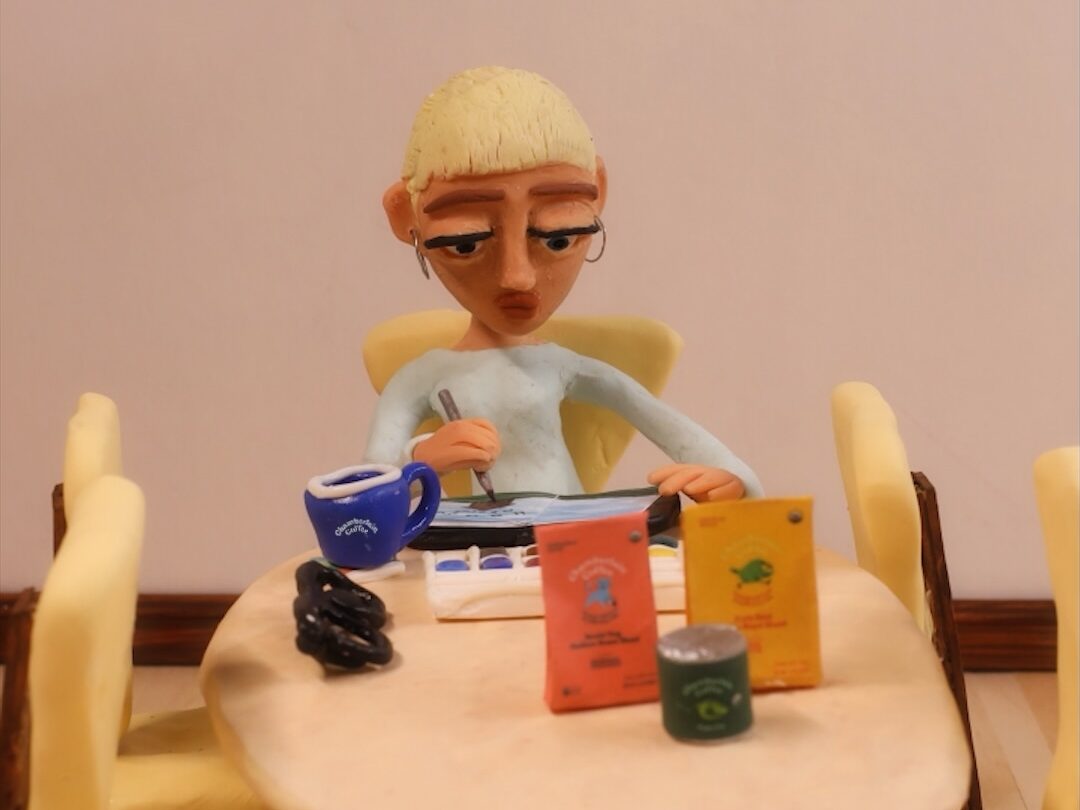
So brands are showing their workings. Victoria’s Secret has tiny clothes made from pasta. Damson Madder launched a new collection via the medium of stained glass. Chamberlain Coffee has clay figurines. Somewhere, someone is explaining that the papier-mâché can’t go live until it’s dry.
This is effort signalling: making the time, skill and sheer persistence behind an idea visible.
Some of the resistance to AI is about what went into the work. We like knowing someone wrestled with a material, ruined a few attempts and kept going. It gives us something to appreciate beyond a nice picture.
As AI imagery improves, that distinction gets harder to see. Beautiful becomes plentiful. A glossy finish tells us less. With AI, you’re only ever a few prompts away from premium.
For premium brands, there’s value in letting people watch the making. Show the hands. Show the wonky prototype. Show the person who spent three hours pummelling a tiny clay coffee cup into the perfect shape. The effort needs to serve the idea, but showing your workings gives people a reason to value the work.